
West Macedonia · Museum, Exhibition & Collection
Archaeological Museum of Argos Orestiko
Who we are
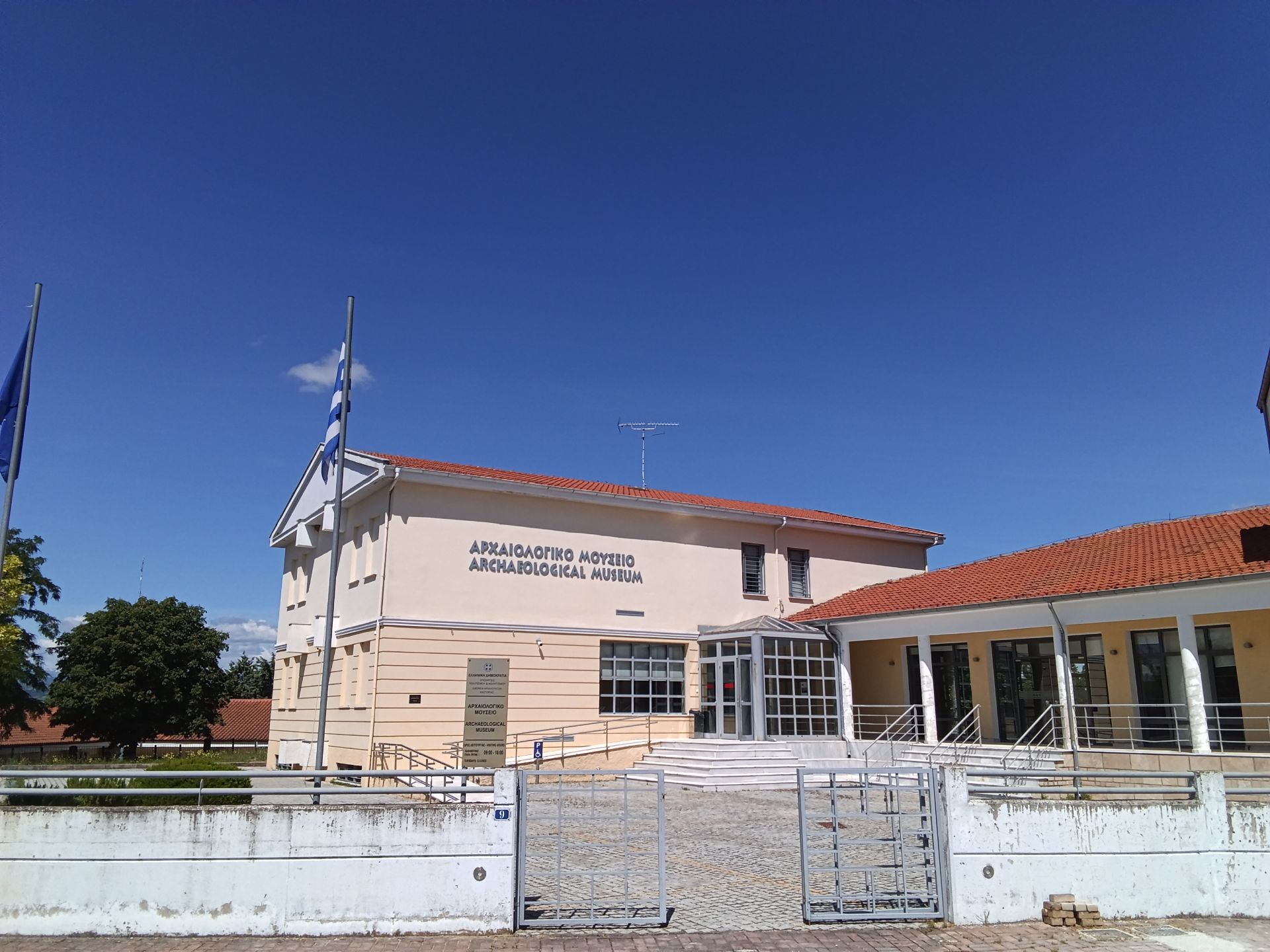
The Archaeological Museum of the Regional Unit of Kastoria, in Argos Orestiko, opened in June 2010. Its exhibition presents important antiquities of the region, illuminating unknown aspects of the organisation and daily life in Macedonia through texts that are accessible and easy for the average visitor to understand. The exhibits come from chance finds and handovers by ordinary residents or teachers, as well as from recent excavations across the whole area of the present-day prefecture of Kastoria, that is, the central part of ancient Orestis. Its exhibition sections include elaborate jewellery accompanied by ritual objects, spearheads, ceramic vessels, as well as rich works of art, statuettes and inscribed monuments. Among the important exhibits is a unique phalangite shield of the Paeonian infantry, as well as the decree of the Battynaeans, the most important inscription of political content from Western Macedonia. The permanent exhibition follows the political and cultural transformations of the central part of Orestis in four successive sections, after an introduction on the geographical area and on how the Museum's collection was formed. The first section (1100-550 BC) presents an impressive assemblage of bronze jewellery and ritual objects, spearheads, ceramic vessels, as well as reconstructions of male, female and child burials. The second section (The kingdom of Orestis, 550-359 BC) begins with an archaic statuette of a symposiast and includes early inscribed monuments, a marble sphinx and part of a funerary stele, as well as grave goods from tombs of the classical period. From 359 to 200 BC, Orestis formed part of the kingdom of Macedonia and the Orestae were incorporated into the Macedonian phalanx. This section displays a sarissa point and a unique phalangite shield of the Paeonian infantry, as well as inscribed monuments. The final section presents antiquities dating from the subjugation of the Orestae to the Romans, in 200 BC, until the founding of Diocletianopolis, around 300 AD. The region largely retained its administrative autonomy, as demonstrated by the survival of the League of the Orestae as a local political union, as well as by the decree of the Battynaeans, the most important inscription of political content from Western Macedonia. The cultural and religious identity of the Orestae is also largely preserved in the dedications to the gods and in the funerary monuments of ordinary citizens or of the heroised dead, which impress with the variety of their forms. (Author: Ephorate of Antiquities of Kastoria)
- Managing authority
- Ephorate of Antiquities of Kastoria
- Accessibility statement
- Not available
General information
- Address
- 9 El. Venizelou Street, postal code 522 00, Argos Orestiko (Prefecture of Kastoria)
- Opening hours
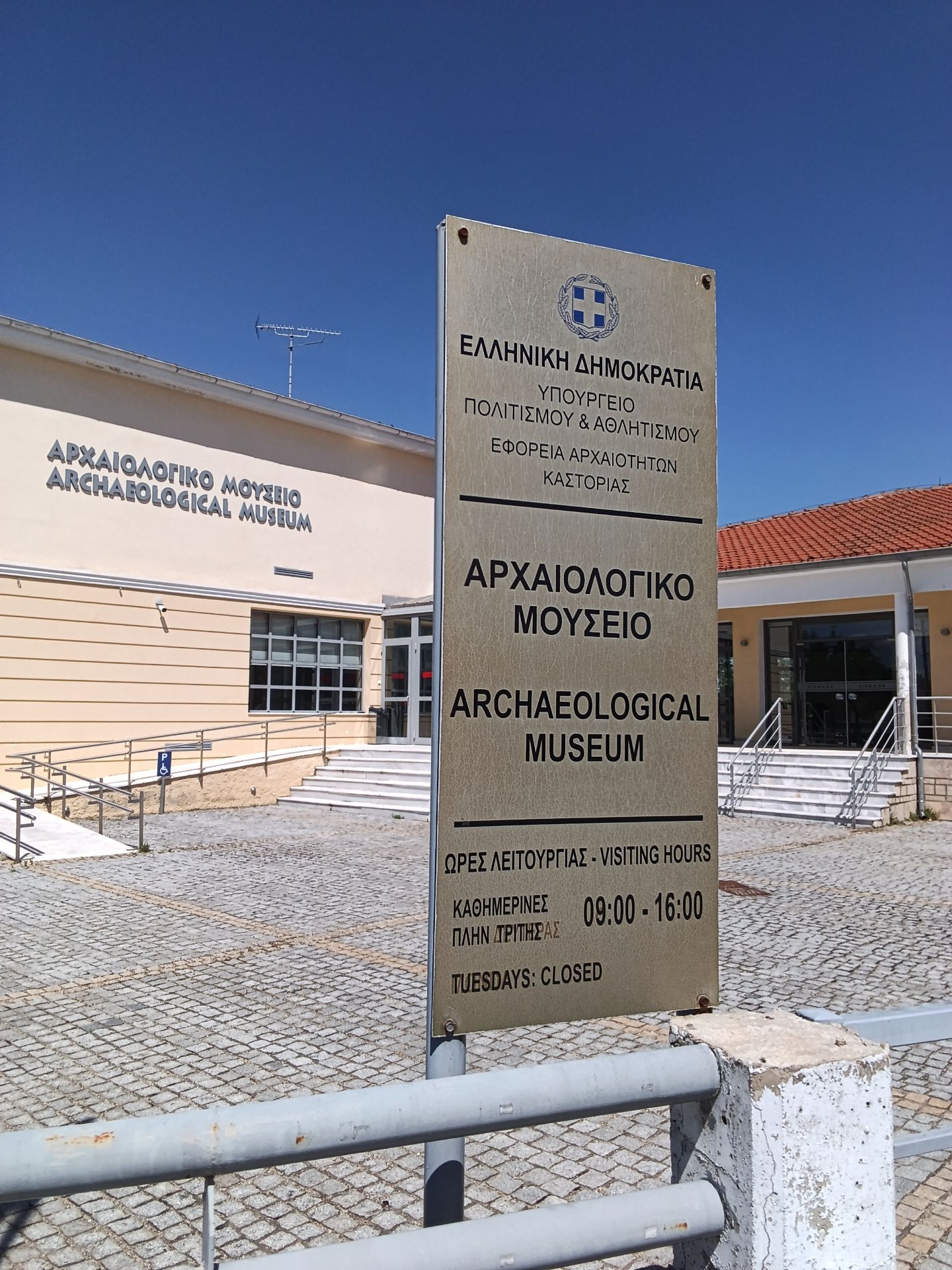
- 08:30-15:30, except Tuesday.
Contact & help
- Contact
- Telephone: +30 24670 44616 Fax: +30 24670 44421 Email: efakas@culture.gr
How to get here
On foot, by car, by taxi, 3 km from Argos Orestiko airport
- Accessible parking spaces: 1
- Drop-off area
- Accessible parking
Entry / exit points (2)
-
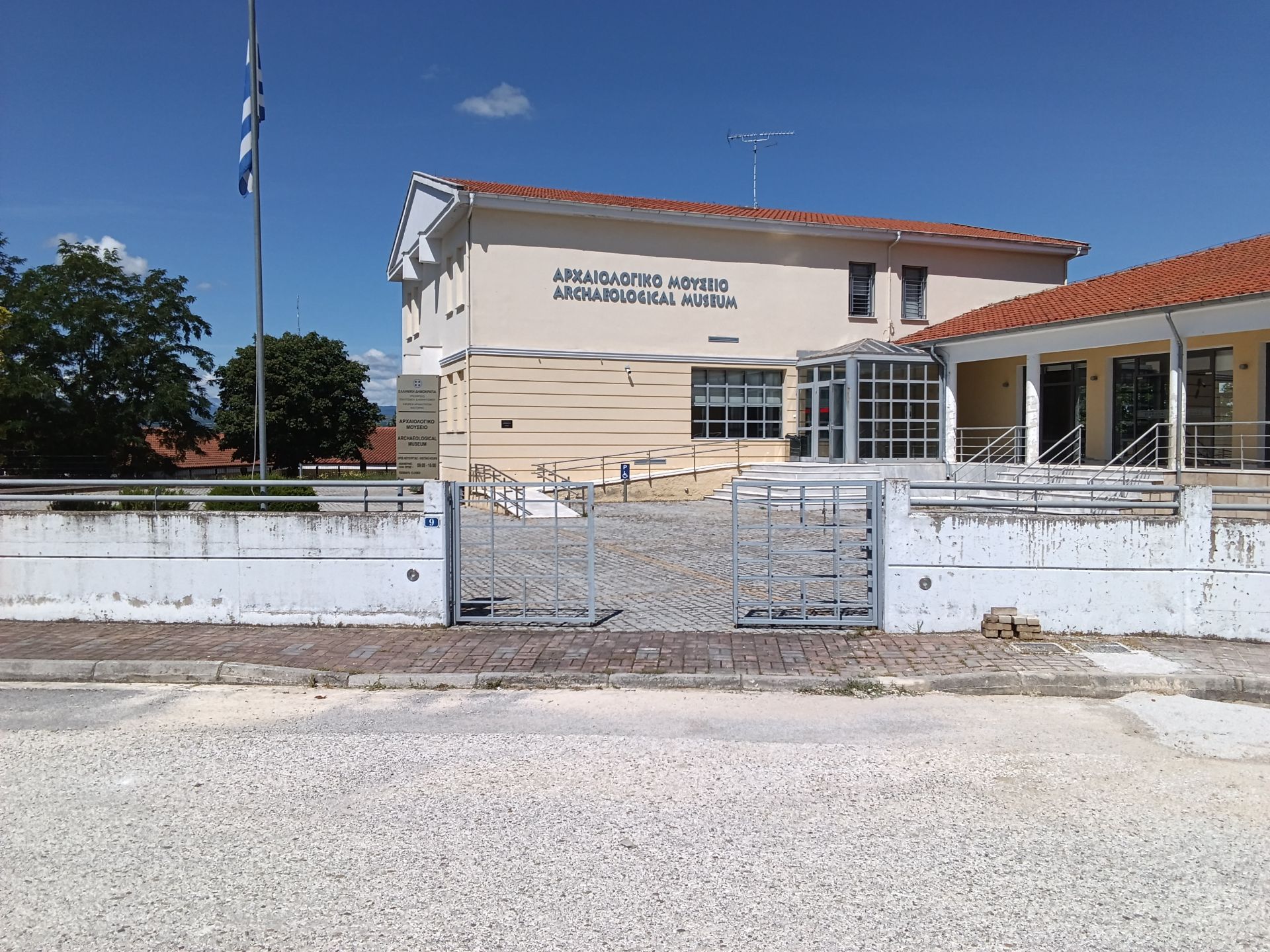
Main entrance of the museum
Building infrastructure- Is there a door?
- Remains open during operating hours
- Adequately served by a dedicated boarding / alighting area suitable for people with disabilities
- Yes
- Does a tactile guide path lead to the building?
- No
- Is it preceded by a ramp?
- Ramp next to the entrance steps
- Preceded by a step
- Steps before the main entrance
- Cross slope
- Suitable
- At the entrance, are there obstacles preventing wheelchair passage?
- Carpet
- Longitudinal slope
- Suitable
- Clear opening
- Suitable
- Is it easily identifiable?
- Yes
- Is it preceded by a sidewalk with an unsuitable road–sidewalk connection for wheelchair users?
- Yes (explain)
- Clear passage height
- Suitable
- Informational signage for visitors is provided outside
- Yes, but it is not accessible for people with disabilities (e.g. without Braille or raised lettering)
- Adequately served by a dedicated accessible parking space for private vehicles
- Yes
- Bears suitable informational signage regarding accessibility to the building's spaces
- No
- Adequately served by disability-friendly public transport
- No
-
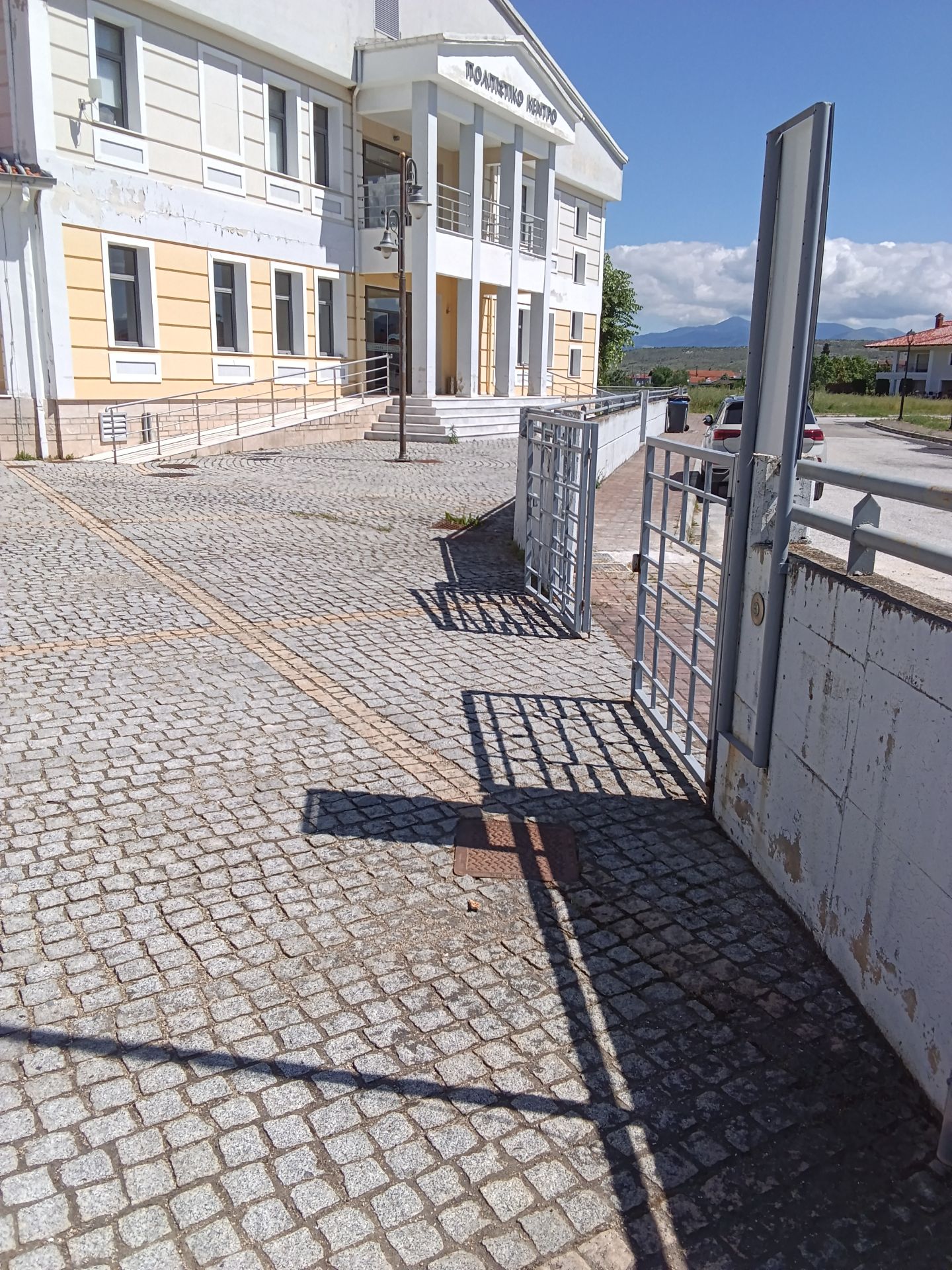
Open-air courtyard entrance
Outdoor infrastructure / routes- Adequately served by a dedicated boarding / alighting area suitable for people with disabilities
- No
- Does a blind guidance path lead to the entrance?
- No
- Is it easily identifiable?
- Yes
- Is it preceded by a sidewalk with an unsuitable road–sidewalk connection for wheelchair users?
- No
- Adequately served by a dedicated accessible parking space for private vehicles
- Yes
- Adequately served by disability-friendly public transport
- No
What you can see & do
Activities & facilities
- Parking
- Ticket office
- Restrooms
Special facilities (4)
Ticket office / Reception
Tickets - Information
-
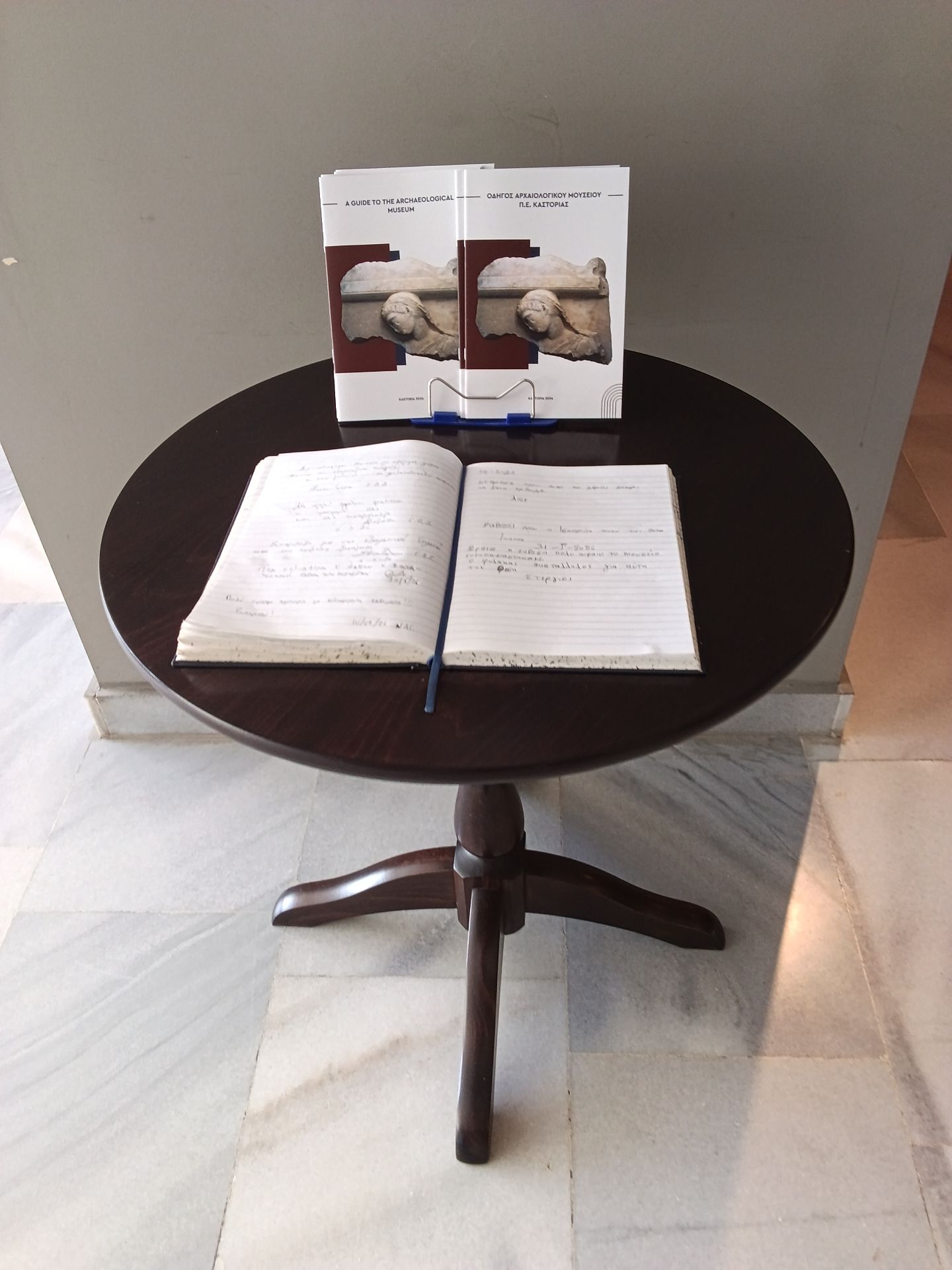
Visitors' guestbook
-
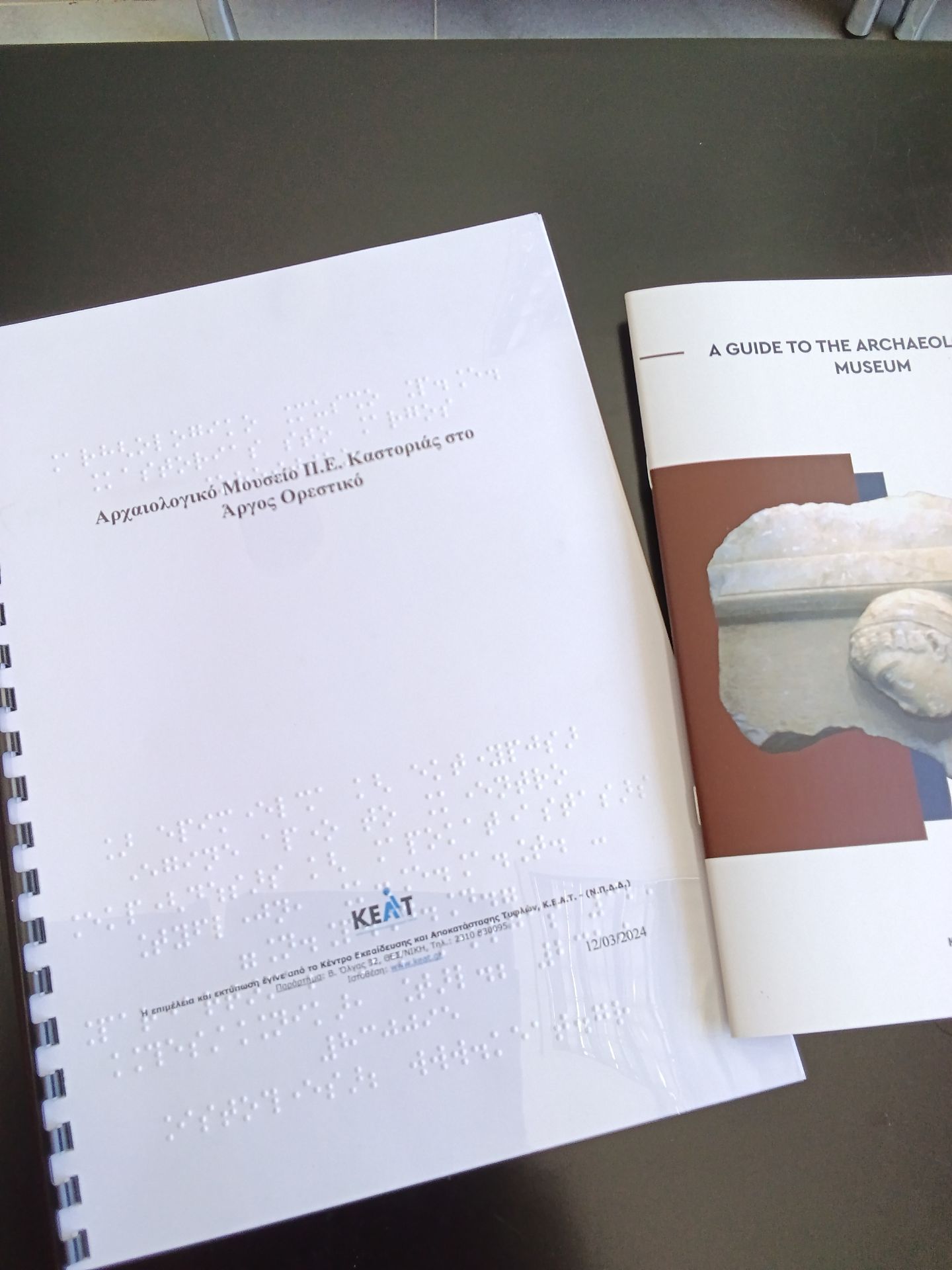
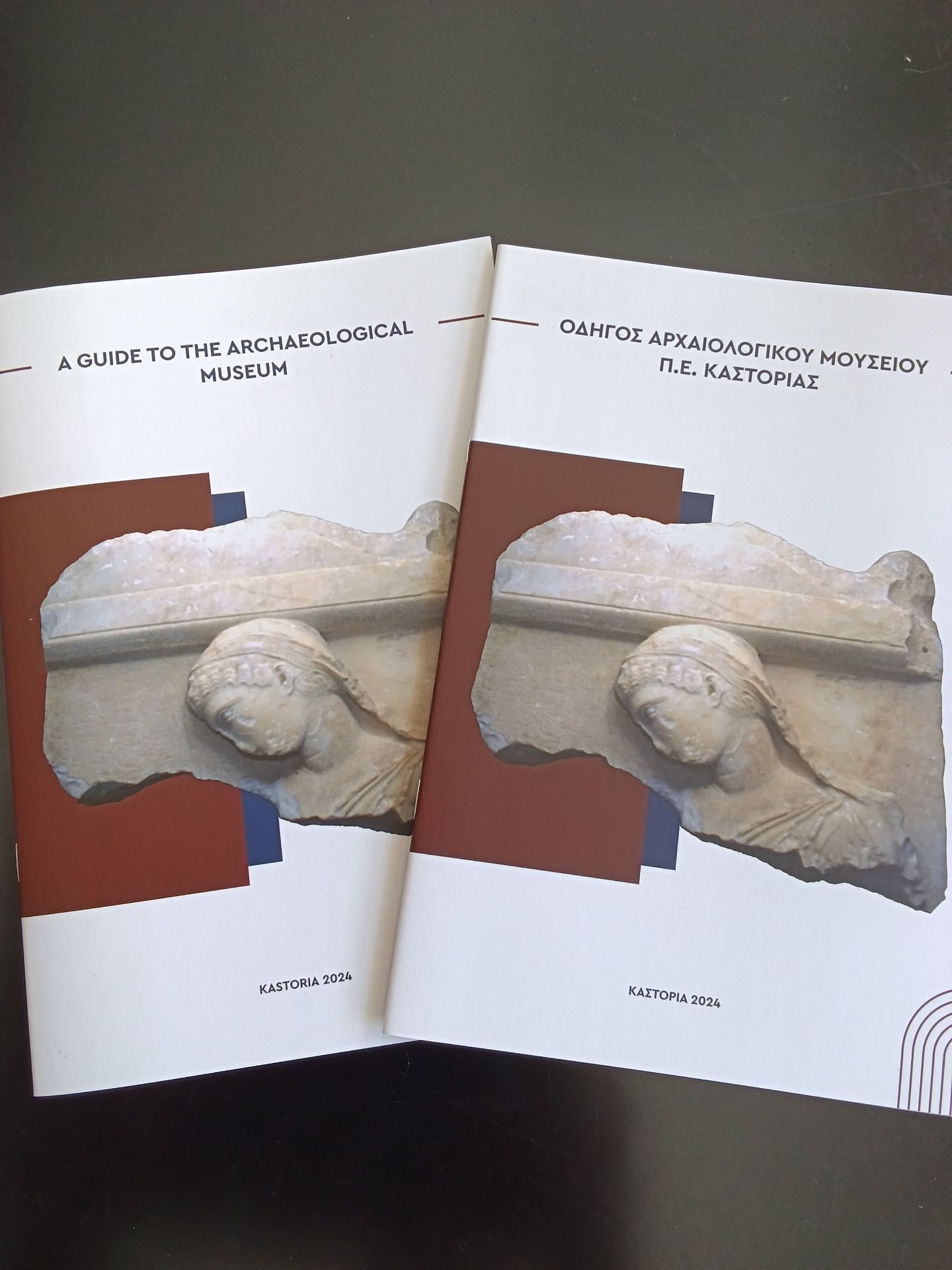
Informational leaflet of the archaeological museum in braille. Greek-English.
Beneficiaries
- Blind people with white cane
- People with low vision
- People with guide dog
-
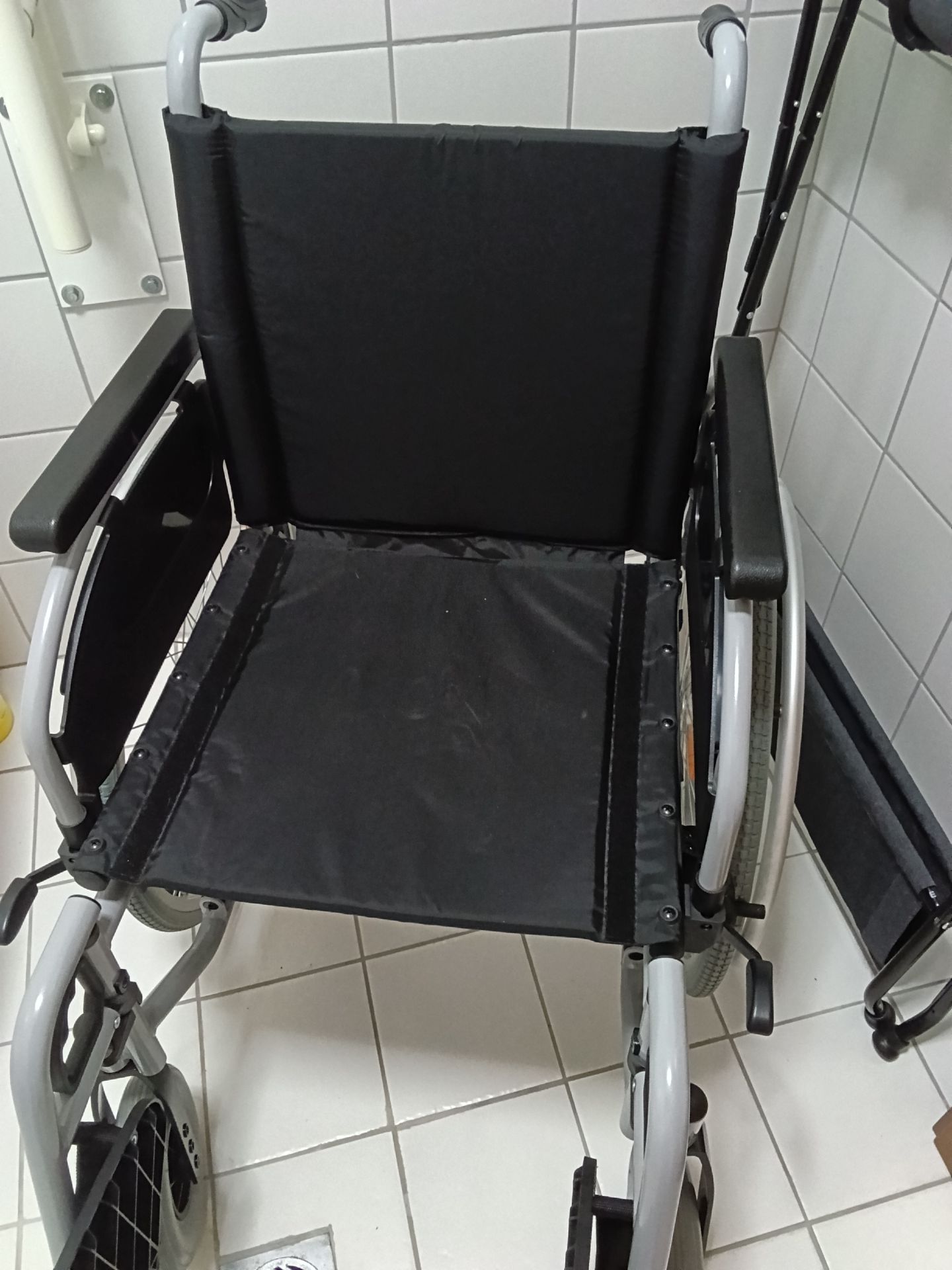
Wheelchair provision for visitors
Beneficiaries
- People with difficulty walking / standing for long periods
- Other (people with allergies, children, etc.)
- Wheelchair users
Building
Museum building
-
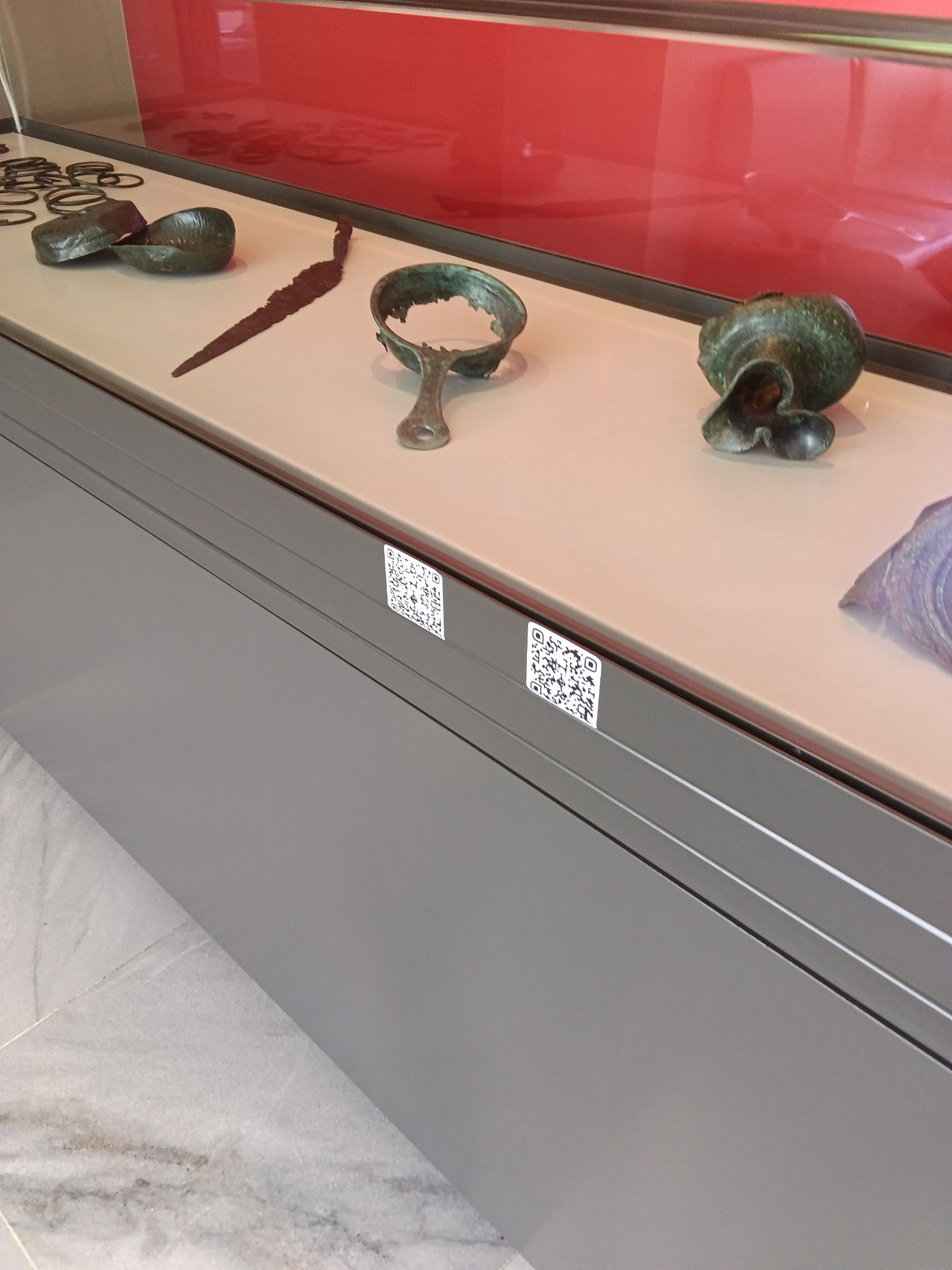
Exhibits with QR code for audio description
Detailed inspection data
- Accessible parking spaces: 1
- Ramp
- Drop-off area
- Lift / elevator
- Accessible WC
- Accessible parking
Outdoor areas
Accessible parking
Vehicle parking spaces for people with disabilities
- How many visitor vehicle spaces are there in total?
- 1
- Average distance
- Less than 150m
- Routes from the parking spaces to other points
- for wheelchair movement (surfaces, clear widths, ramps, etc.)
- How many visitor parking spaces designated specifically for people with disabilities are there?
- 1
- There are special parking spaces for vehicles of people with disabilities, but they do not comply with the specifications.
- Not well lit, Not protected from harsh weather conditions (canopies/windbreaks)
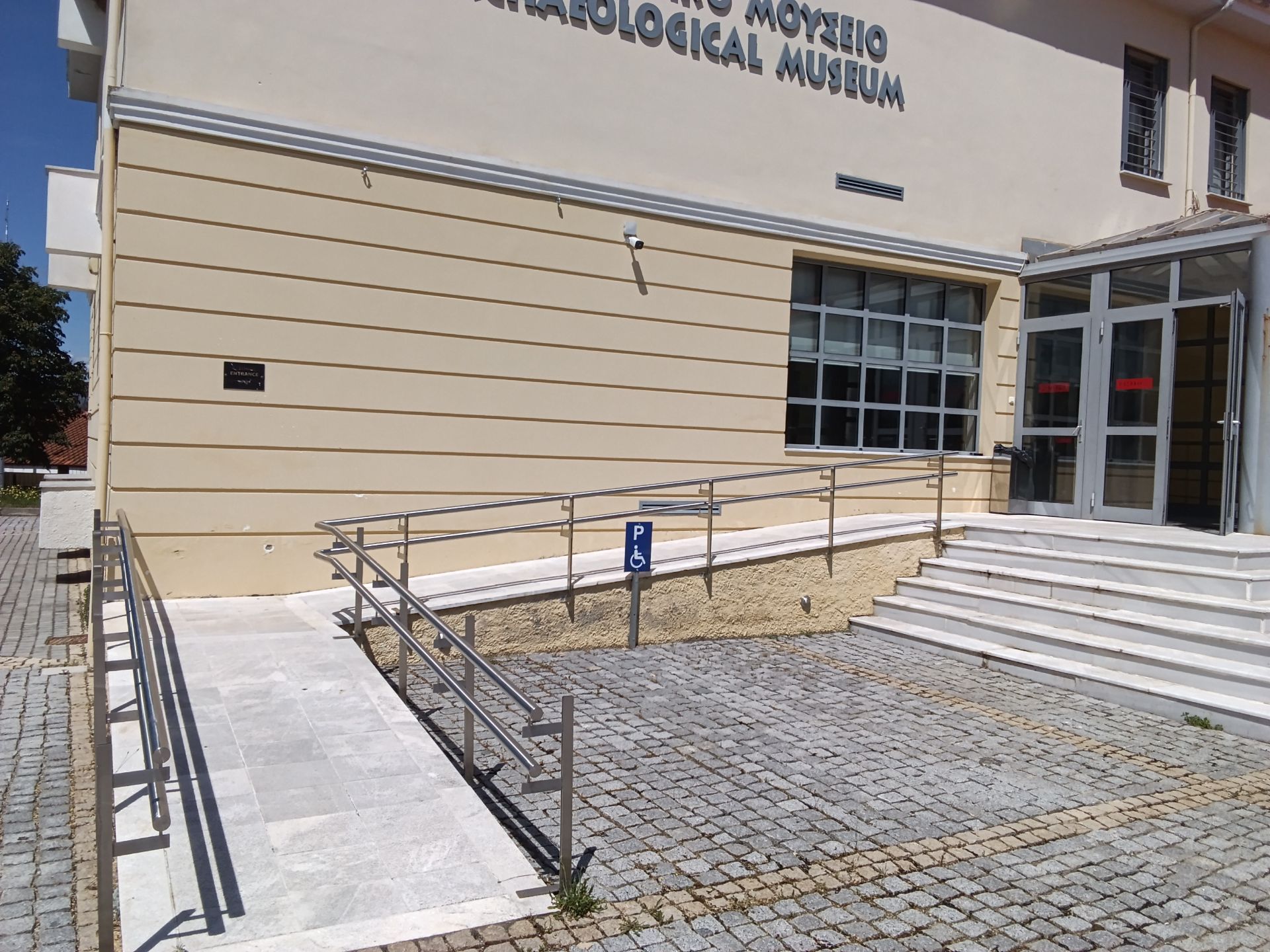
Infrastructure
Building
Museum building
- Overall, within the building there are accessible areas where staff are present and the public can communicate / interact with them
- Yes, but has no briefing or training on serving people with disabilities
- Access to toilet facilities is not an issue?
- No
- The building has toilets for the public but no accessible toilet for people with disabilities according to national specifications/guidelines
- No
- Overall, noise levels inside the building are suitable at all times of use/visit
- Yes
- Generally, heating in the building is adequate at all hours of use/visit
- Yes
- Generally, the lighting within the building is suitable at all hours of use/visit
- Yes
- In general, air conditioning/ventilation inside the building is appropriate at all hours of use/visit
- Yes
- Is vertical access not an issue?
- No
- Is access to separated spaces/rooms not an issue?
- Yes
- How many separate floors/levels does it have?
- 3
- It is…
- Other (specify)
- The areas open to the public occupy the following floors / levels
- Basement, Ground floor, 1st floor
- How many separate entrances/exits does it have?
- 1
- Guide dogs are allowed entry
- Yes
- Overall, the corridors and circulation routes have clear widths
- Over 150 cm
- Overall, the corridors and circulation routes have suitable clear heights
- Yes
- There are bridges in the building
- No bridging needed / present
- There is furniture and/or equipment within the 90 cm clear width
- No
- There are levels/areas with seating/rest positions for the public without provisions for a wheelchair stop
- No
- There are levels / areas without sufficient/suitable seating / rest areas for people with difficulty walking / standing for long periods
- Yes
- Guide dogs are accepted and staff understand that they should not interact with the dog
- Yes
- An automatic guided-tour system is used and its design ensures accessibility for…
- None
- Audiovisual media are used and their design ensures accessibility for…
- None
- Is there posted and/or available informational material provided to the public?
- Yes
- All (small) exhibits and their labels are always placed at heights suitable also for wheelchair users (e.g., within a height zone of 75 to 135 cm)
- Yes
- There are exhibits or other objects hung on walls in a way that is dangerous for people with vision disabilities
- No
- There are areas/levels with exhibits that meet the appropriate specifications for wheelchair access
- Yes
- Exhibits are also available in tactile form for blind people
- None
- Digital stations are used
- None
- The signs, labels, exhibit captions, etc. are accompanied by equivalent alternative formats/solutions for people with visual disabilities
- Yes
- Educational/informational activities, screenings and/or live presentations are organized in spaces and with a design that ensures accessibility for…
- None
- (If available) The posted and/or available informational/informative material is also available in alternative/accessible formats
- In Braille print
Special facilities (1)
Special facility
Exhibits with QR code for audio description
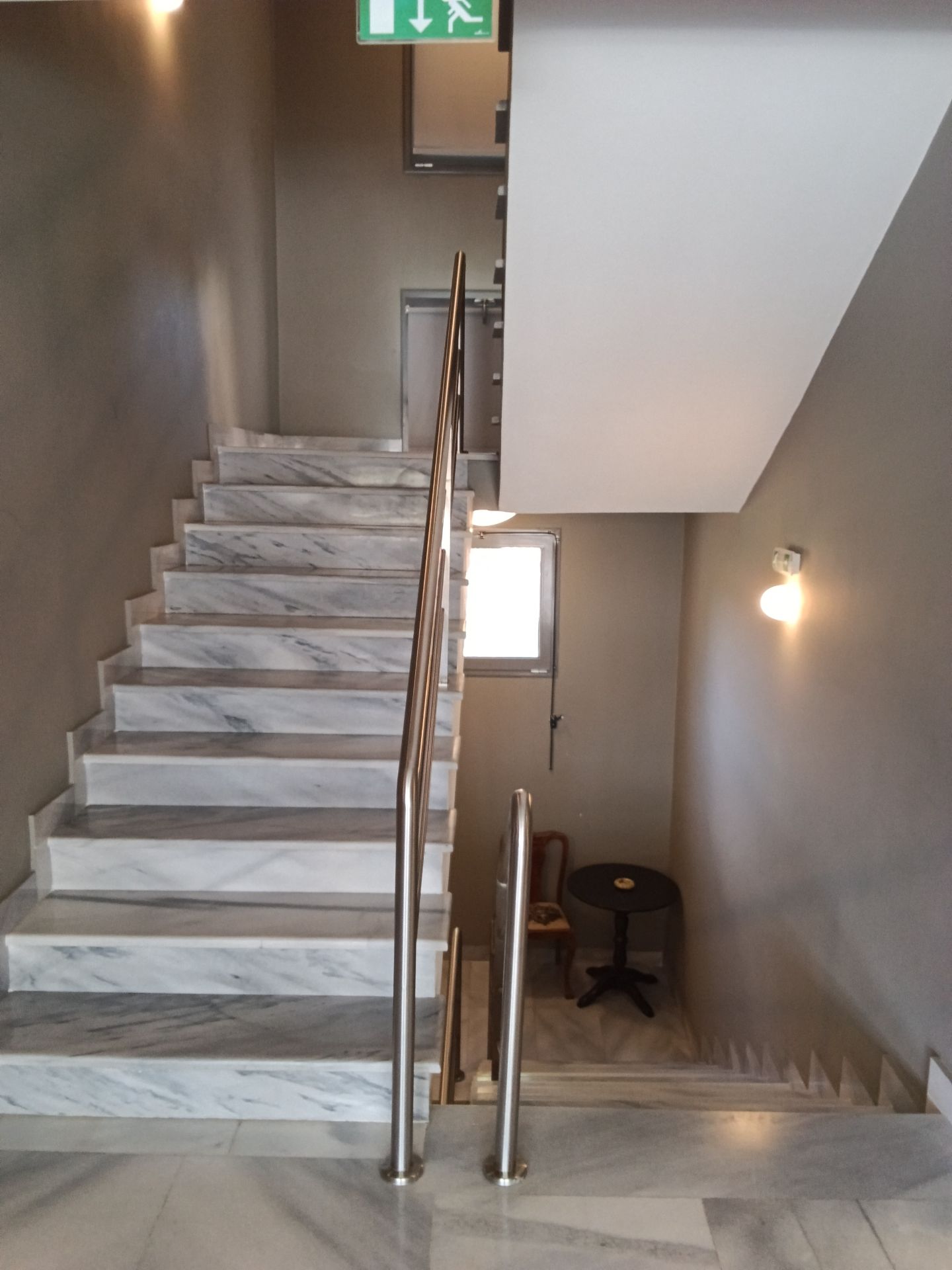
Stairs
Stairs for access to the basement and first floor
- Does it have a riser (front face)?
- Vertical
- Handles / handrails
- Present and standards-compliant
- It is a staircase with a stairlift
- No
- Is it…
- Main
- Is it interior and…
- Fixed
- Is it…
- Interior
- The (minimum) opening of the stairs is (in cm)…
- 110
- They are clearly legible
- No
- The (minimum) depth of the steps is (in cm)…
- 31
- The (maximum) height of the steps is (in cm)…
- 17
- The width of the stairs
- Yes
- In the case of stairways that are part of the existing network with tactile guidance paths for the blind, are there tactile warning surfaces at the start, end and changes of direction of the stairs?
- Not part of such a network
- Are the intermediate landings of adequate dimensions
- Yes
- The lighting is adequate
- Yes
- Are the surfaces
- No
- Does it have an emergency lighting system?
- Yes
- Is it easily identifiable?
- Yes
- At the stair landings, there is informational signage for visitors
- No
- Is it standards-compliant?
- No
- The depth (tread) of the steps is constant from the start to the end of the stairs
- Yes
- In the case of exposed side/rear surfaces, are these always "covered" so as not to pose a risk to people with visual impairments and white cane users?
- Yes
- Is there a standards-compliant alternative for wheelchair access?
- Present and standards-compliant
- (If available), the alternative wheelchair access is via…
- An adjacent accessible elevator or platform lift for wheelchairs
Entrance / exit
Main entrance of the museum
- Is there a door?
- Remains open during operating hours
- Adequately served by a dedicated boarding / alighting area suitable for people with disabilities
- Yes
- Does a tactile guide path lead to the building?
- No
- Is it preceded by a ramp?
- Ramp next to the entrance steps
- Preceded by a step
- Steps before the main entrance
- Cross slope
- Suitable
- At the entrance, are there obstacles preventing wheelchair passage?
- Carpet
- Longitudinal slope
- Suitable
- Clear opening
- Suitable
- Is it easily identifiable?
- Yes
- Is it preceded by a sidewalk with an unsuitable road–sidewalk connection for wheelchair users?
- Yes (explain)
- Clear passage height
- Suitable
- Informational signage for visitors is provided outside
- Yes, but it is not accessible for people with disabilities (e.g. without Braille or raised lettering)
- Adequately served by a dedicated accessible parking space for private vehicles
- Yes
- Bears suitable informational signage regarding accessibility to the building's spaces
- No
- Adequately served by disability-friendly public transport
- No
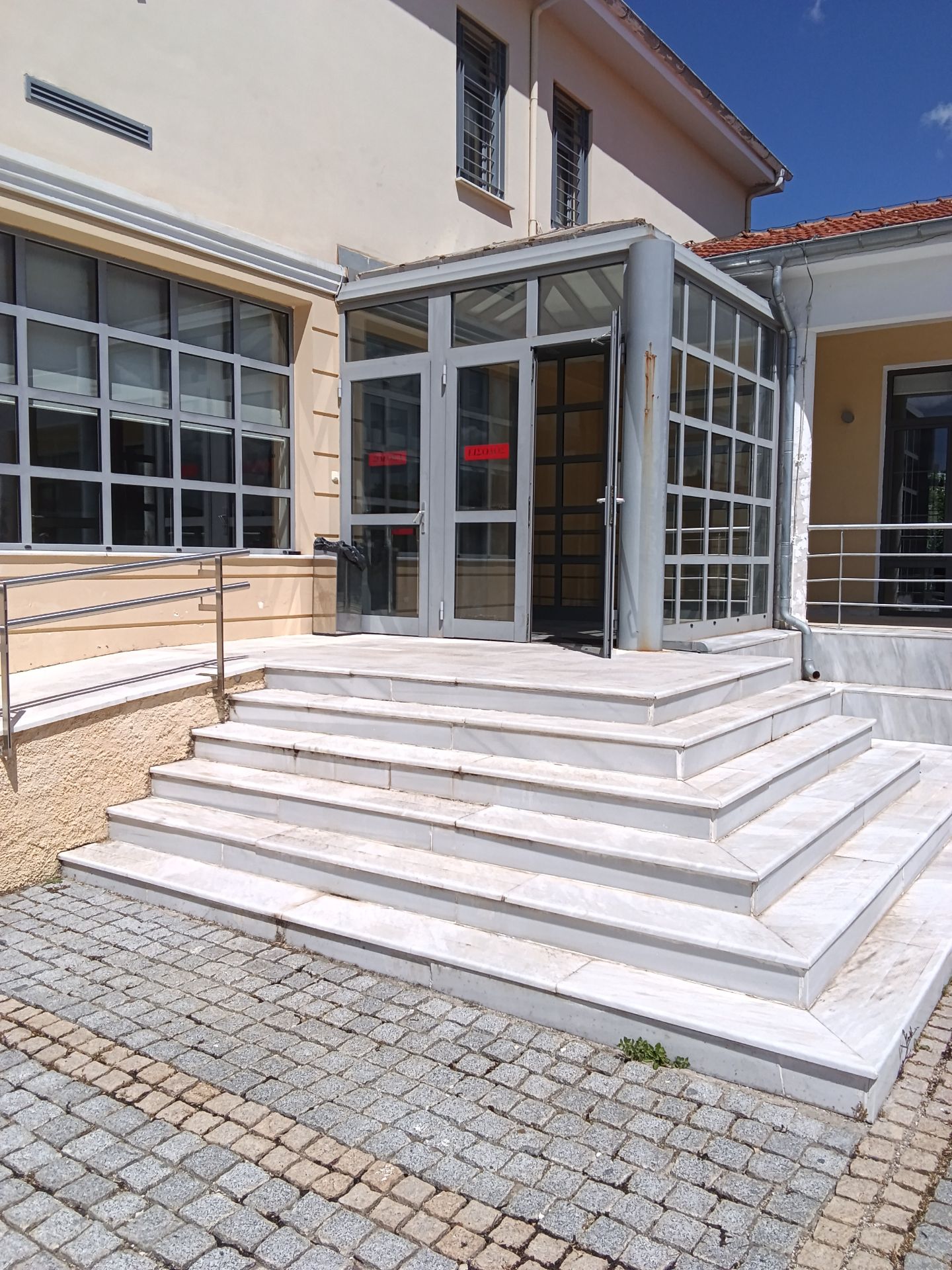
Stairs
Steps before the main entrance
- Does it have a riser (front face)?
- Vertical
- Handles / handrails
- None
- It is a staircase with a stairlift
- No
- Is it…
- Main
- Parapets / railings
- Needed, but not present
- Is it interior and…
- Fixed
- Is it…
- Outdoor
- The (minimum) opening of the stairs is (in cm)…
- 250
- They are clearly legible
- No
- The (minimum) depth of the steps is (in cm)…
- 30
- The (maximum) height of the steps is (in cm)…
- 18
- The width of the stairs
- Yes
- In the case of stairways that are part of the existing network with tactile guidance paths for the blind, are there tactile warning surfaces at the start, end and changes of direction of the stairs?
- Not part of such a network
- Are the intermediate landings of adequate dimensions
- Yes
- The lighting is adequate
- No
- Are the surfaces
- No
- Does it have an emergency lighting system?
- No
- Is it easily identifiable?
- Yes
- At the stair landings, there is informational signage for visitors
- Yes, but it is not accessible for people with disabilities (e.g. without Braille or raised lettering)
- Is it standards-compliant?
- No
- The depth (tread) of the steps is constant from the start to the end of the stairs
- No
- In the case of exposed side/rear surfaces, are these always "covered" so as not to pose a risk to people with visual impairments and white cane users?
- Yes
- The height of the steps is constant from the start to the end of the stairs
- Yes
- Is there a standards-compliant alternative for wheelchair access?
- Present and standards-compliant
- Includes conical and/or curved steps
- No
- (If available), the alternative wheelchair access is via…
- Side ramp
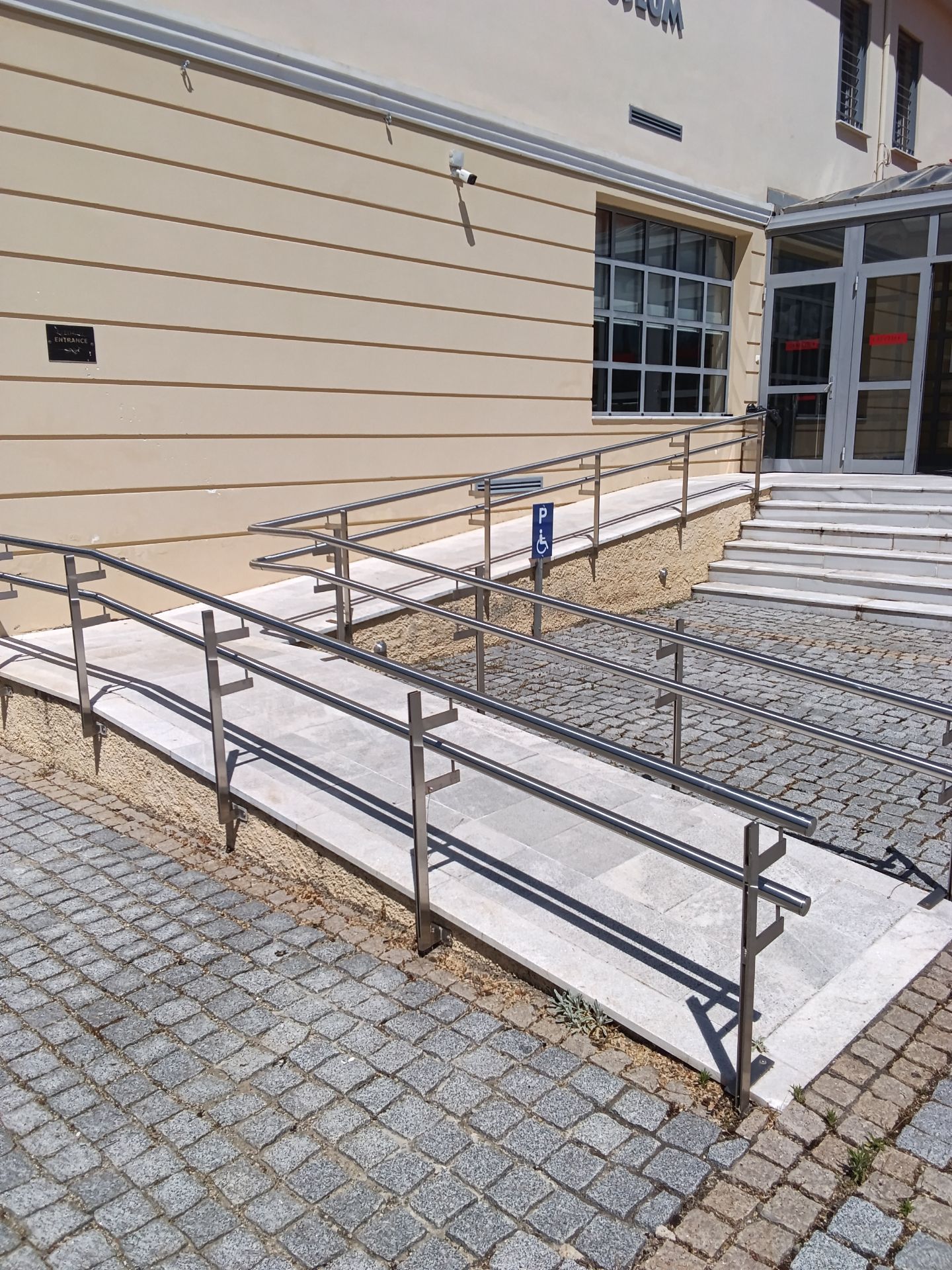
Ramp
Ramp beside the entrance steps
- It has an appropriate handrail
- Yes, double at heights of 70 and 90 cm.
- Is it…
- Outdoor
- At all levels/stops…
- the ramp floor surface is at exactly the same height as the landing surface (difference <2 cm), the landing surfaces (1.5 x 1.5 m) are separate from the circulation routes, the landing surfaces are far from stairs/steps (distance > 1.5 m)
- The lighting is adequate
- No
- All surfaces are of non-slip, homogeneous, stable, wear-resistant material
- Yes
- Is it easily identifiable?
- Yes
- Has non-compliant slopes
- Slopes of 12% for lengths of 3 and 5 meters
- Is wheelchair access ensured?
- Yes
- Does it have an emergency lighting system?
- No
- Is it…
- Permanent
- Is it intended for emergency evacuation?
- Descending
- On all levels/stops, there is informational signage for visitors
- Yes, but it is not accessible for people with disabilities (e.g. without Braille or raised lettering)
- Has a width that allows two wheelchairs to pass each other
- No
- Is standards-compliant:
- No
- Has non-compliant cross slopes on the ramp and/or landings
- No
- In the case of exposed side/rear surfaces, are these always "covered" so as not to pose a risk to people with visual impairments and white cane users?
- Yes
- In the case of a ramp that is part of an existing network with tactile guide paths, are there tactile warning surfaces at all entry-exit points?
- Not part of such a network
Restroom (WC)
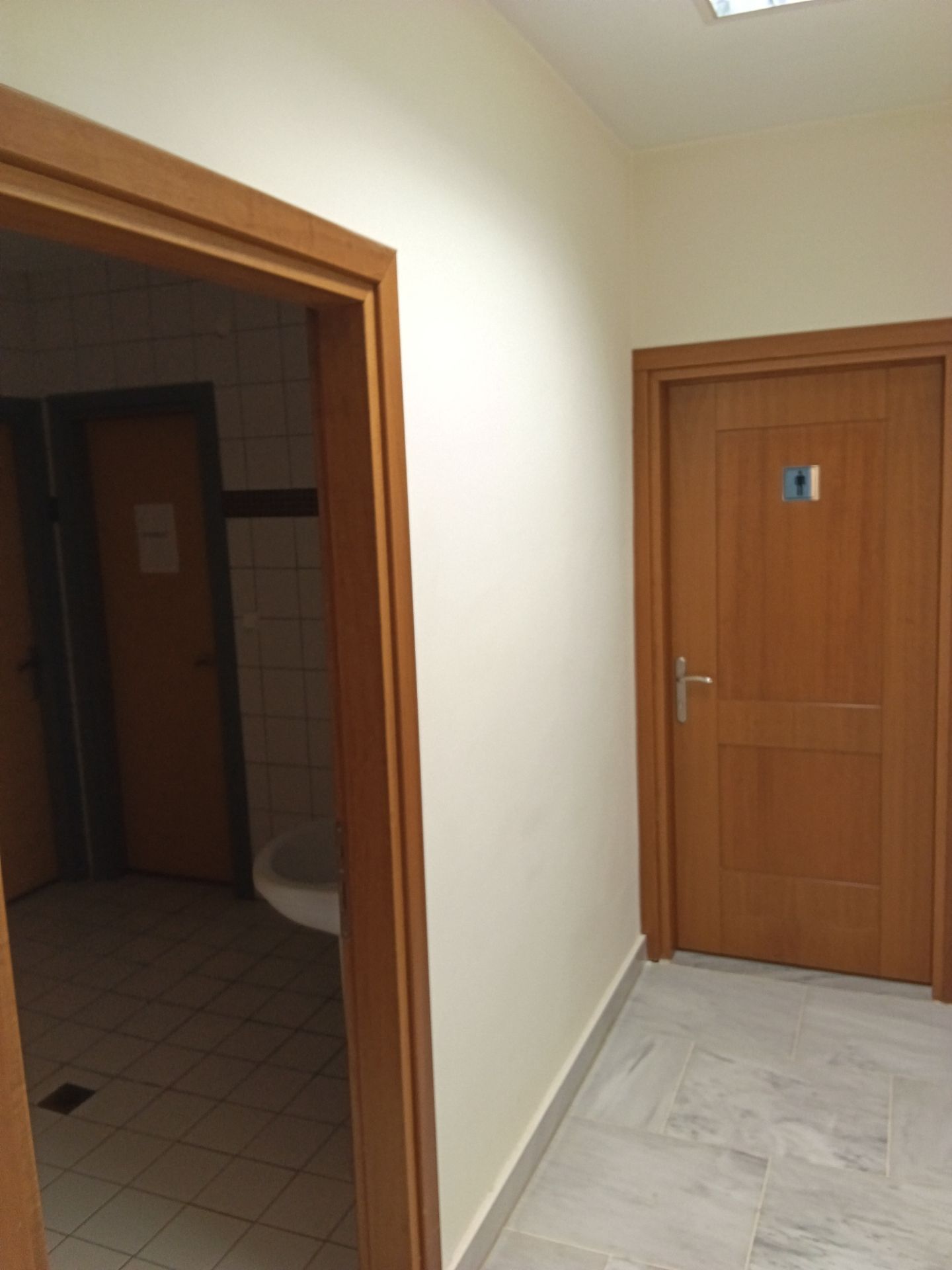
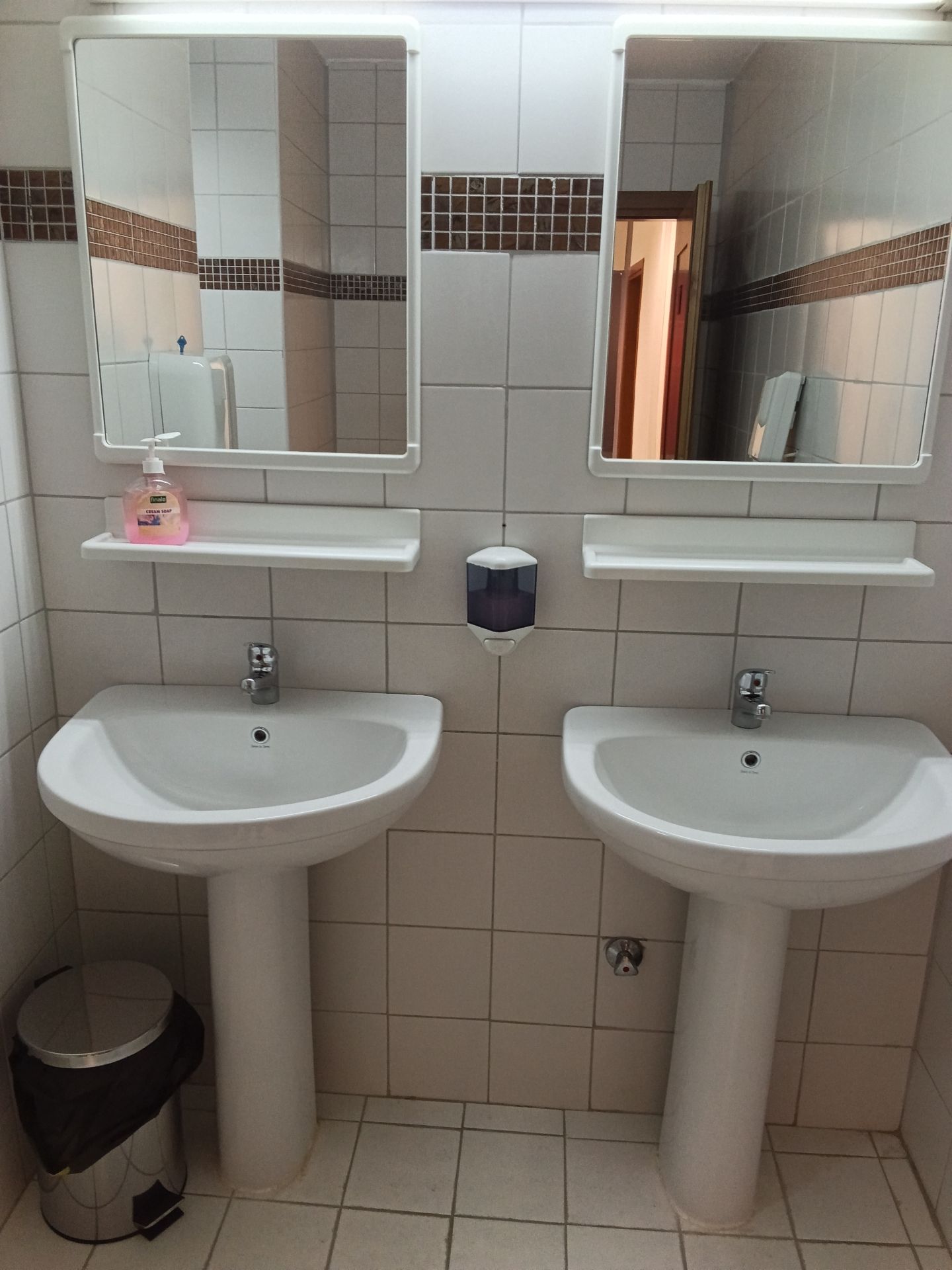
Public toilets. Located on the ground floor, next to tickets-information
- Includes..
- Space with toilet bowl, Anteroom with washbasin(s), Urinals
- Is it easily identifiable?
- Yes
- Can it be used only at specific times?
- No
- Is it…
- Free
- Is it…
- Interior
- Is wheelchair access ensured?
- No
- Is it…
- Men and women separate
- Is it…
- Entrance unobstructed
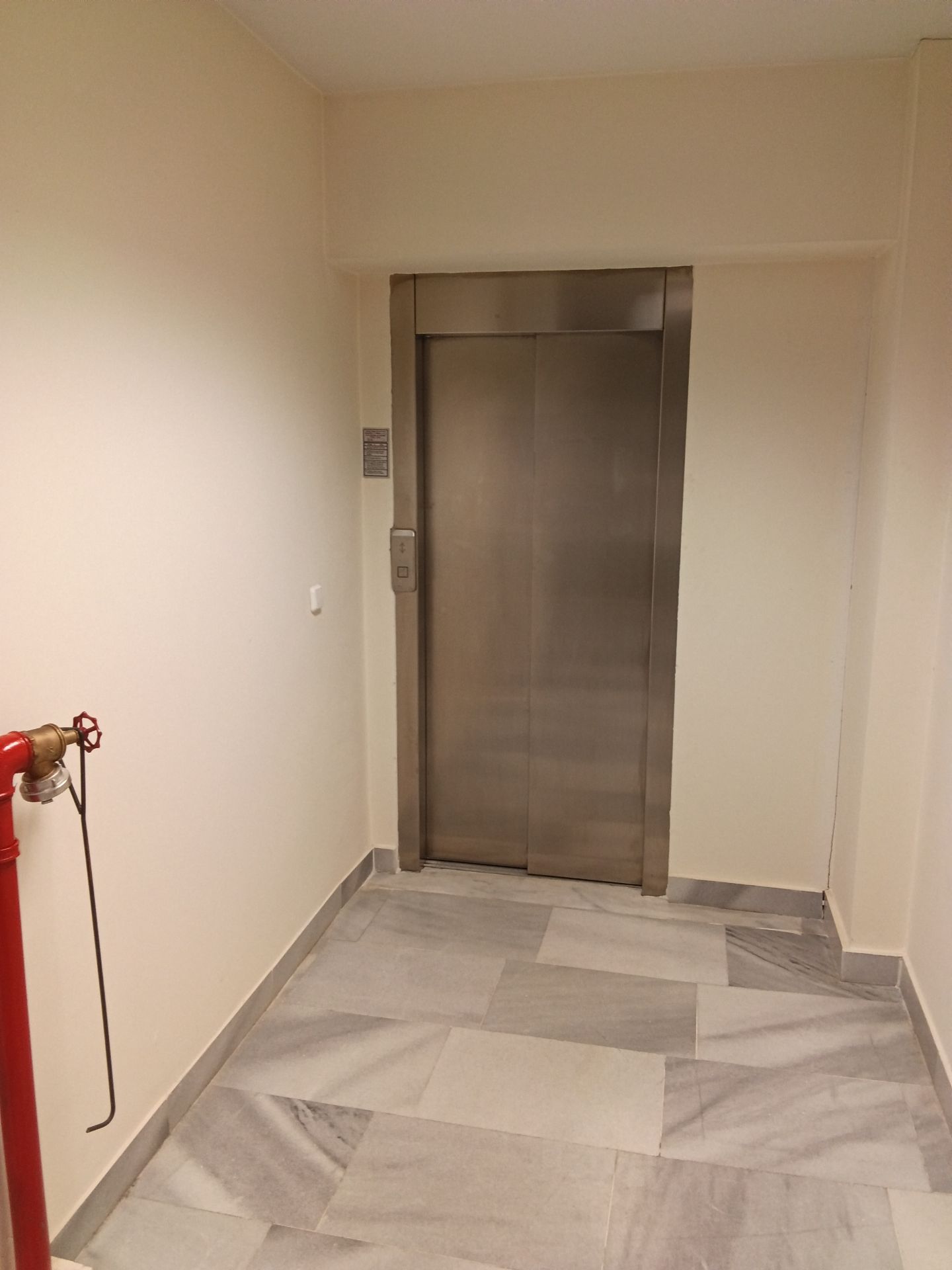
Lift / elevator
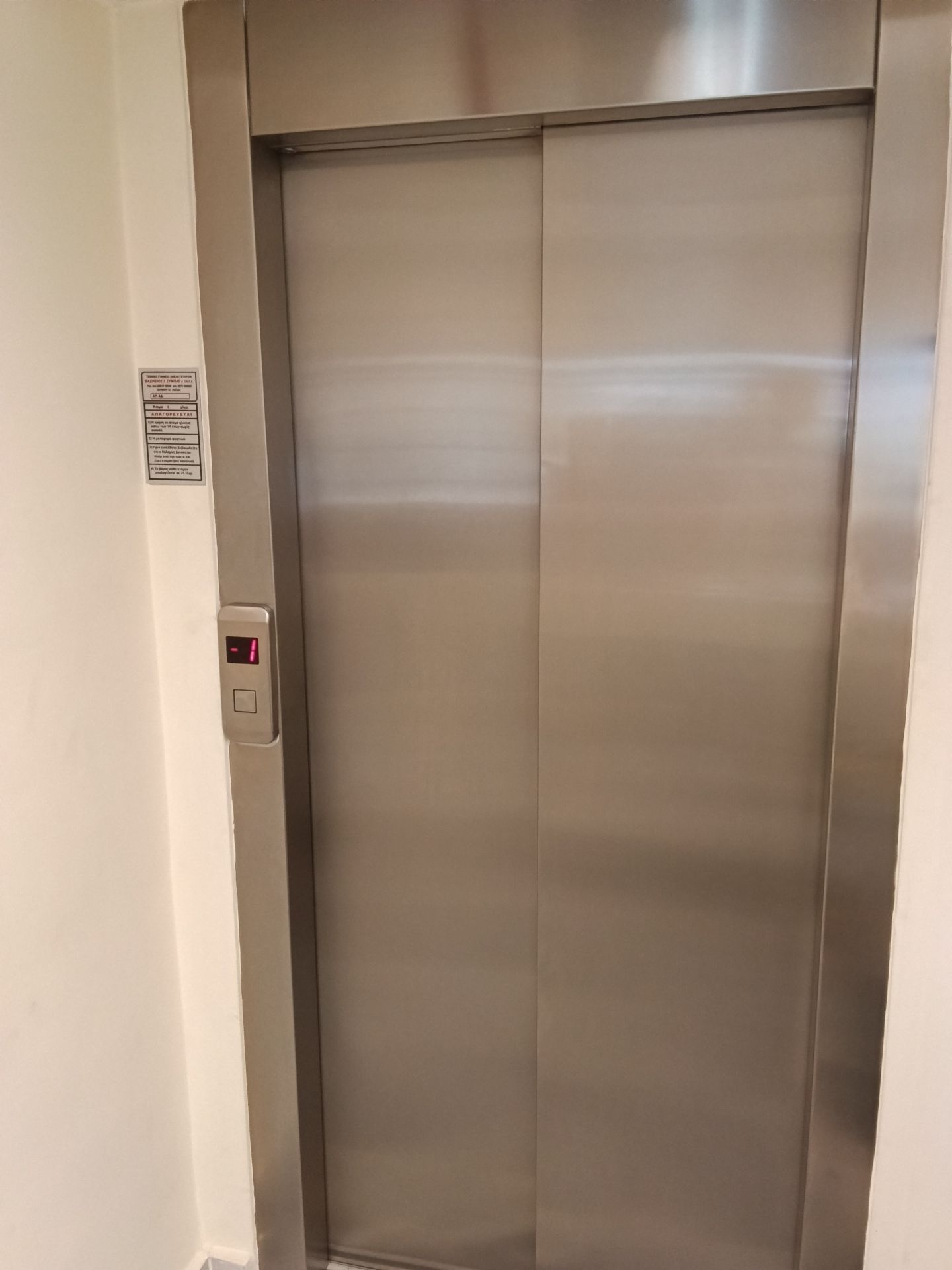
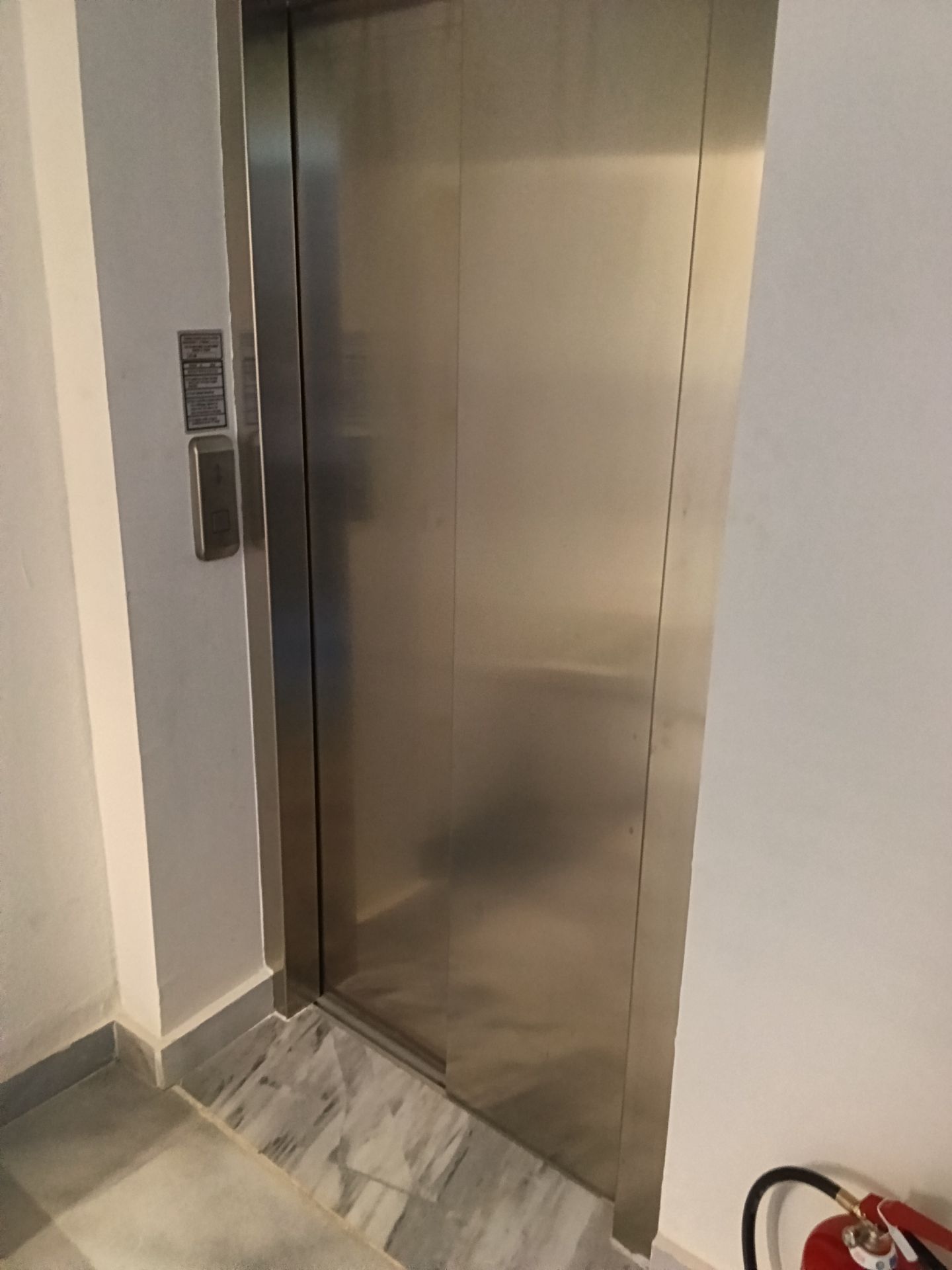
Elevator for access to the first floor and basement. Located to the right of the stairs.
- Has a suitable mirror that facilitates exiting in reverse with a wheelchair
- Yes
- The lighting is adequate
- Yes
- Has suitable handles
- Yes, on one side
- Is it…
- Main
- Has a folding seat
- No, not needed
- Is it…
- Interior
- Are the surfaces smooth, non-slip
- Yes
- All operating mechanisms
- Yes
- Is it accessible and standards-compliant?
- Yes, but it lacks appropriate signage
- The operating mechanisms
- Yes
- Is it easily identifiable?
- Yes
- Has an emergency system that works properly
- Yes, two-way emergency communication phone, Yes, emergency button
- On all levels/stops, there is informational signage for visitors
- No
- The clear opening of the door is
- 85
- Does it have an emergency lighting system?
- Yes
- It has floor and car-stop announcements
- Visual (screen)
- The operating mechanisms
- Yes
- Intended for emergency evacuation
- No
- The clear interior width is
- 110
- At all levels/stops…
- There is no level difference (<2 cm) between the cabin and the floor surface of the level, The landing surfaces (w > 1.1 m) are separate from the circulation paths, The landing surfaces are far from steps (distance > 1.5 m)
- In the case of exposed side/rear surfaces, are these always "covered" so as not to pose a risk to people with visual impairments and white cane users?
- They are not exposed
- The clear internal length is
- 140
- Is it accessible and standards-compliant, and is wheelchair access ensured?
- No
- In the case of an elevator/platform lift that is part of an existing network with tactile guide paths for the blind, are there tactile warning surfaces outside the door at all levels?
- Not part of such a network
- The door is automatic but does not close / reopen when an obstacle is detected
- Yes
Restroom (WC)
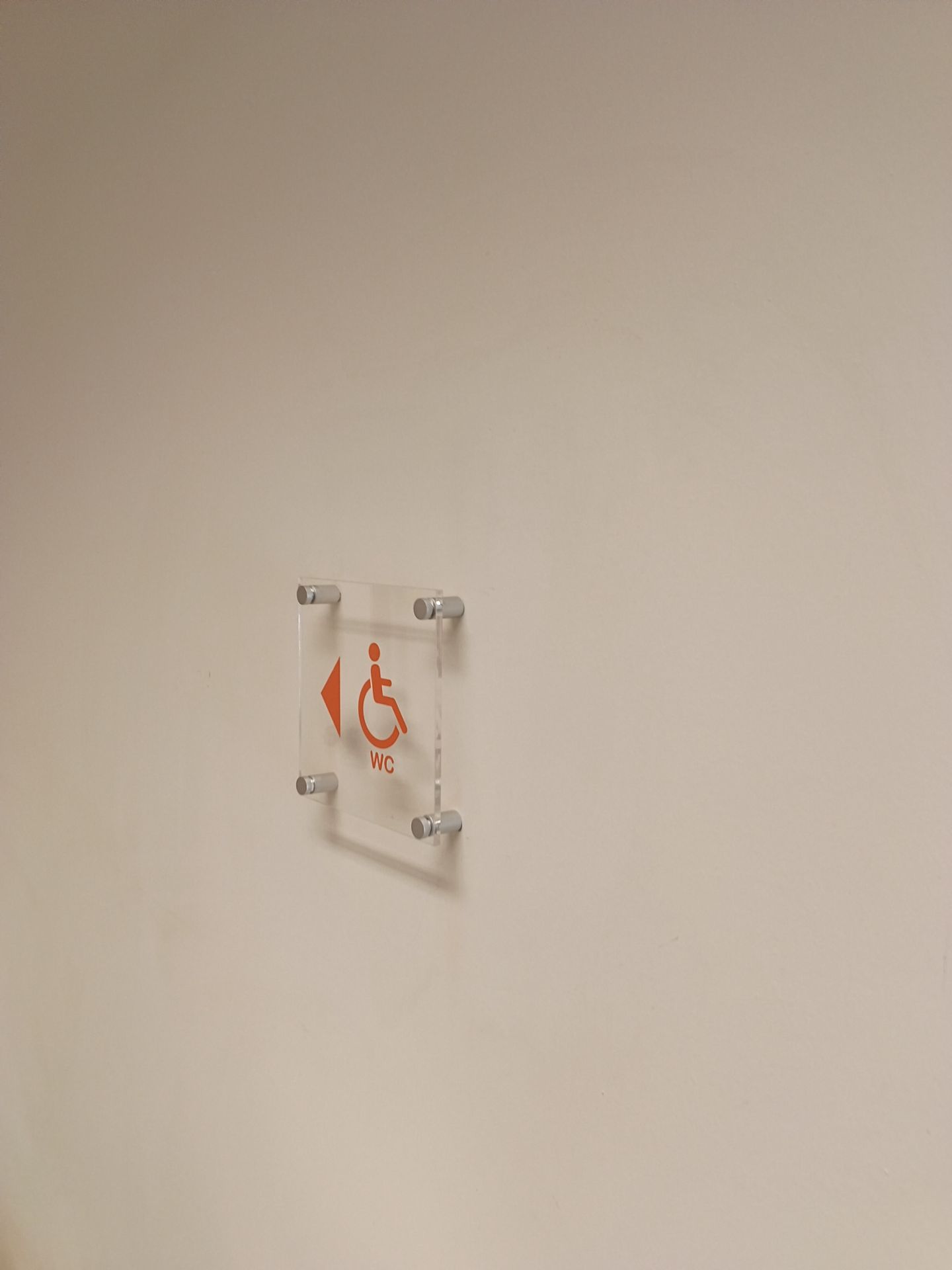
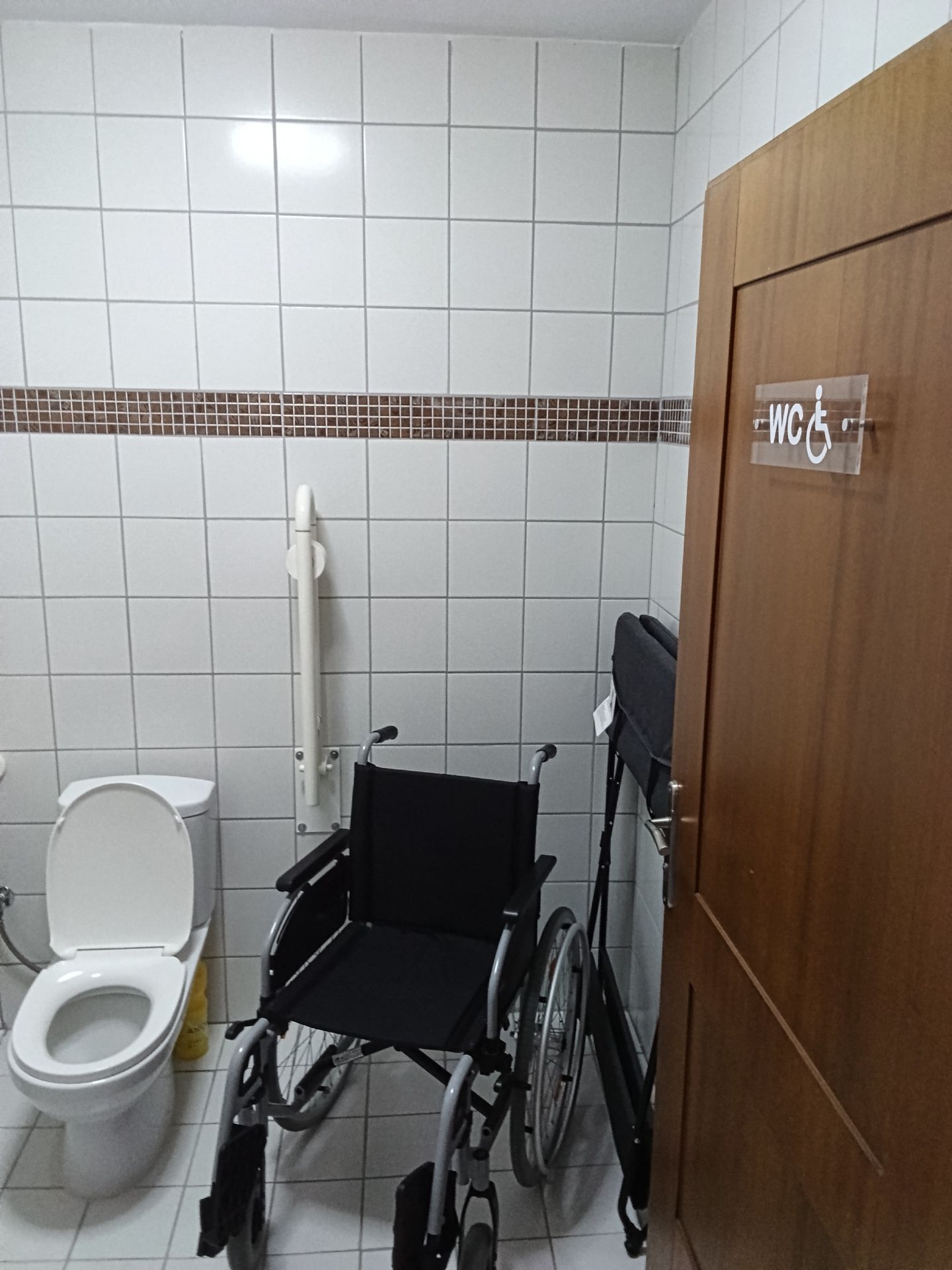
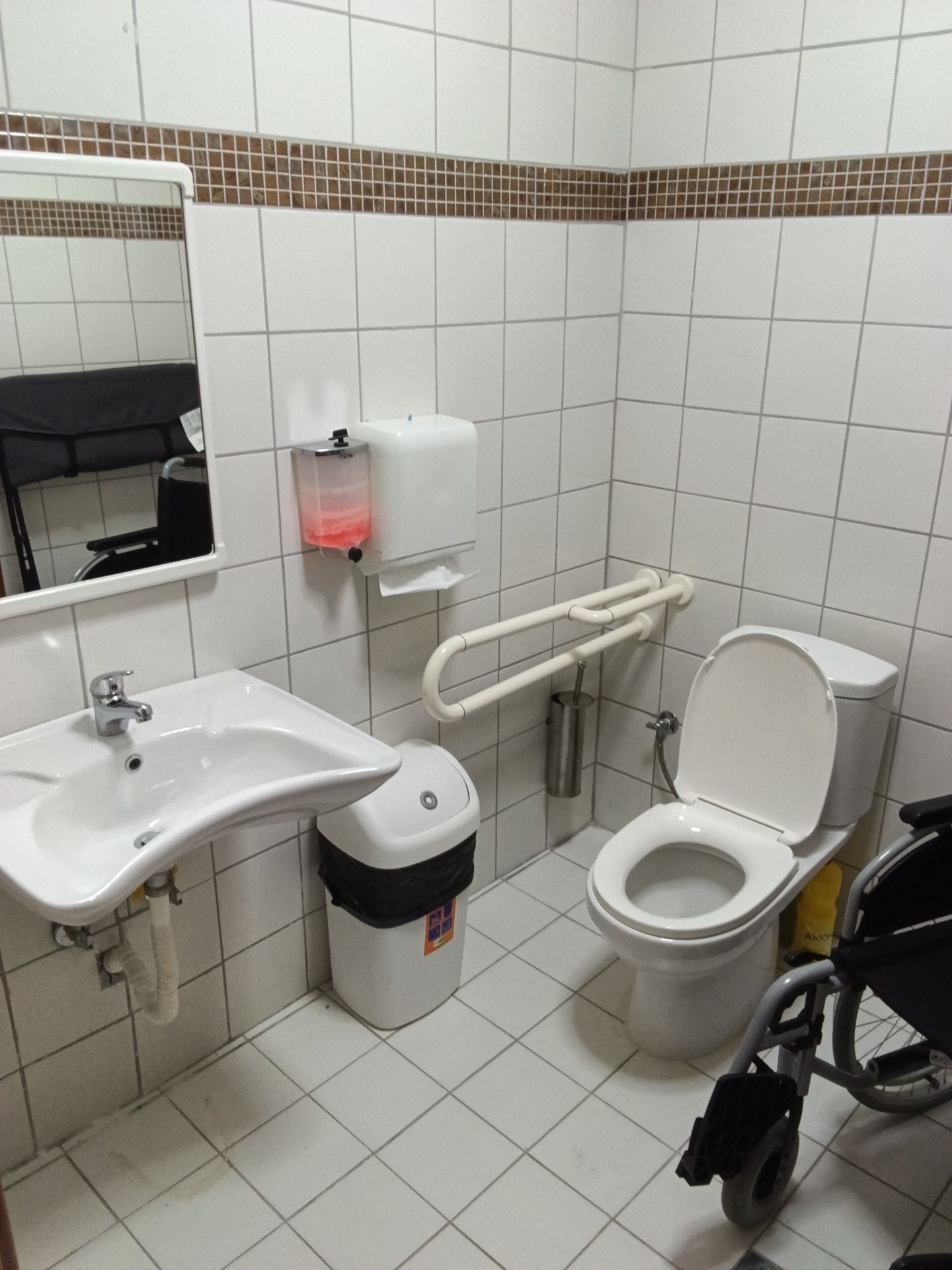
Accessible toilet. Located in the basement.
- If there is a mirror, is it suitable for use by wheelchair users
- No
- Includes..
- Area with toilet bowl and washbasin, Baby care area
- The lighting is adequate
- Yes
- The door is of type…
- Opening inward
- What type of washbasin does the toilet have?
- For exclusive use
- Are the fire alarms perceptible in all areas of the sanitary space?
- Yes, audible
- Is it easily identifiable?
- Yes
- Is it a standards-compliant accessible toilet?
- Yes and it is signed accordingly (with the International Symbol of Access and the "WC" symbol, on a wall next to them and/or on the doors of the accessible toilets)
- All surfaces are of non-slip, homogeneous, stable, wear-resistant material
- Yes
- Can it be used only at specific times?
- Yes (provide details)
- Is it…
- Free
- Is there a telephone or other emergency notification system?
- No
- If there is a soap dish, towel holder or hand-drying system, are they easy to use and located at suitable positions and heights for wheelchair users
- Yes
- Are there grab bars on the toilet bowl?
- Yes
- The door opens easily from…
- people with mobility problems (e.g. opens outward, requires no particular force and has easy-to-use handles and opens/closes with a closed fist), wheelchair users (e.g. can be fixed in the open position, with handles at a suitable height < 90 cm)
- Is it…
- Interior
- Is wheelchair access ensured?
- Yes
- Has suitable handles
- Yes, on more than one side
- Does it have an emergency lighting system?
- No
- Not used for other purposes
- No
- Is it a standards-compliant accessible toilet…
- Unisex
- Is it…
- Mixed (men-women)
- Is there a clear space under the washbasin to fit a wheelchair?
- Yes
- Is it a standards-compliant accessible toilet…
- With independent entrance
- Does it have a suitable clear opening for the intended use?
- Yes
- Outside the door there is clear level space for maneuvering a wheelchair
- Yes
- Is it…
- Entrance unobstructed
- There is free space on one side of the basin of width
- 120
Outdoor area
Courtyard
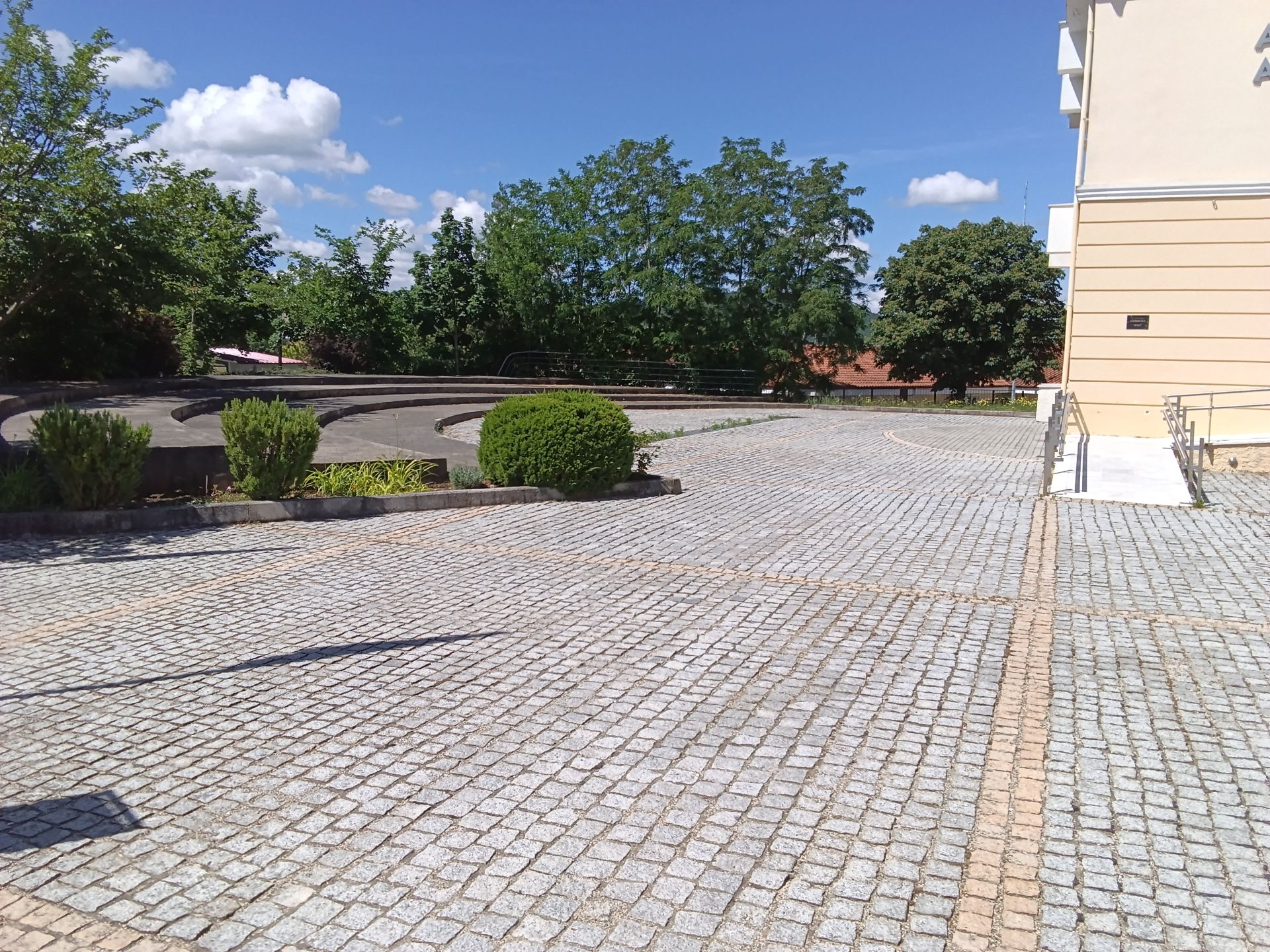
Outdoor entrance / exit
Open-air courtyard entrance
- Adequately served by a dedicated boarding / alighting area suitable for people with disabilities
- No
- Does a blind guidance path lead to the entrance?
- No
- Is it easily identifiable?
- Yes
- Is it preceded by a sidewalk with an unsuitable road–sidewalk connection for wheelchair users?
- No
- Adequately served by a dedicated accessible parking space for private vehicles
- Yes
- Adequately served by disability-friendly public transport
- No
Services
Events hall
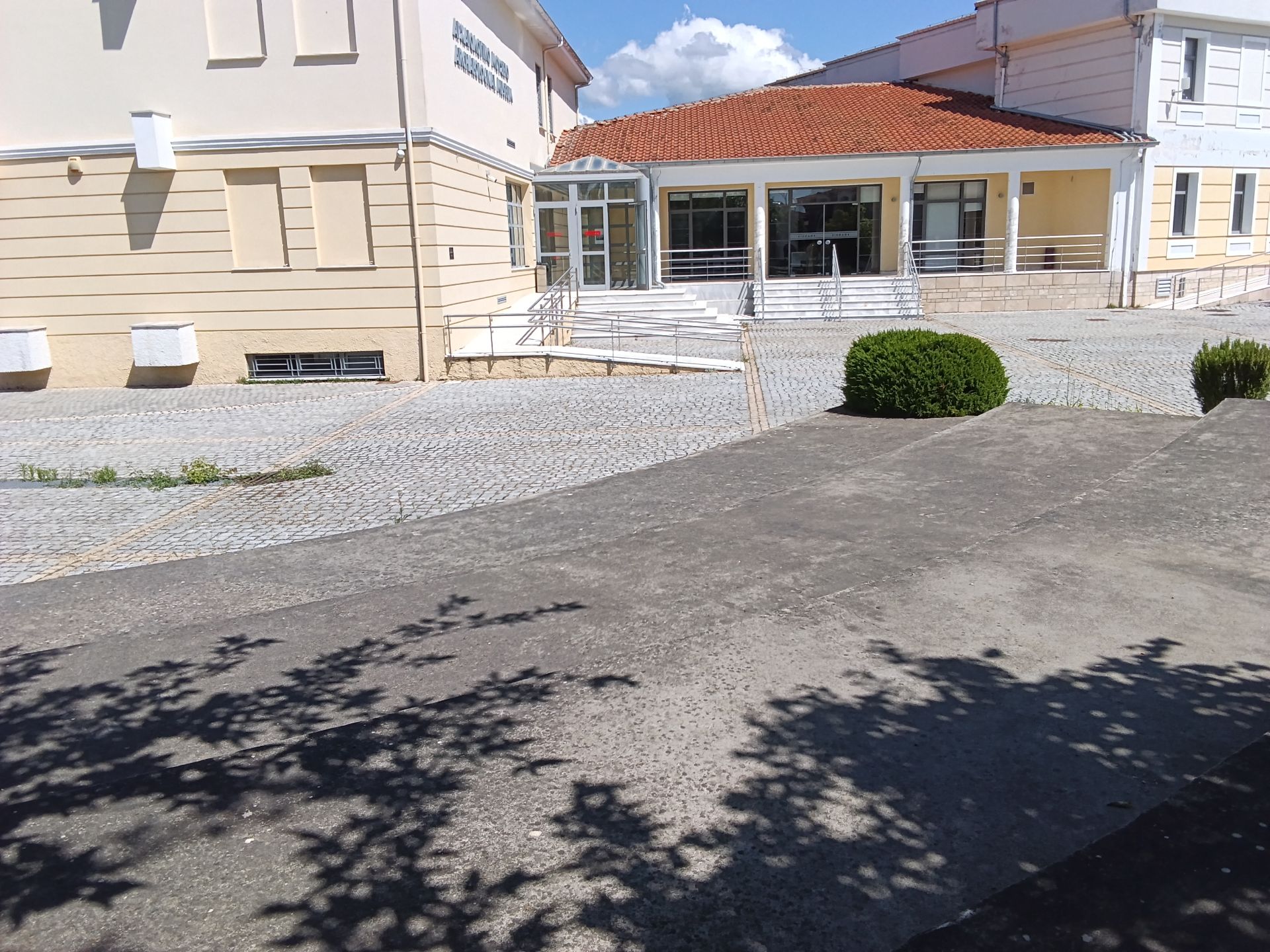
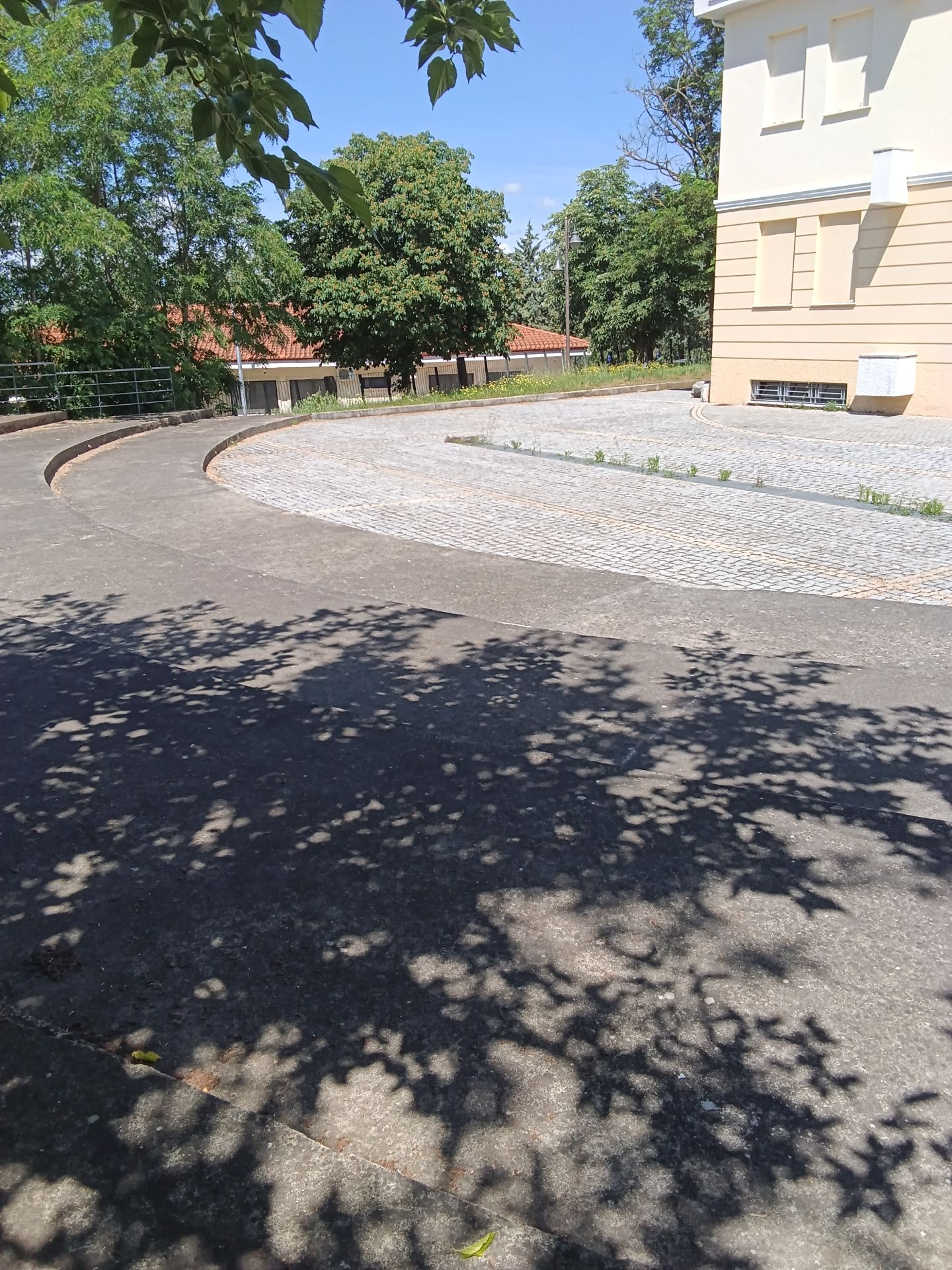
Open-air amphitheatre
- Includes…
- Seating, Stage
- The seats for the public / speakers are…
- Other (specify…)
- Is it…
- Outdoor
- The seats for the public / speakers are…
- Fixed (anchored)
- Is it…
- Free
- Layout of the seats
- Theater-style (chairs without tables)
- Is it easily identifiable?
- Yes
- Is wheelchair access ensured?
- Yes
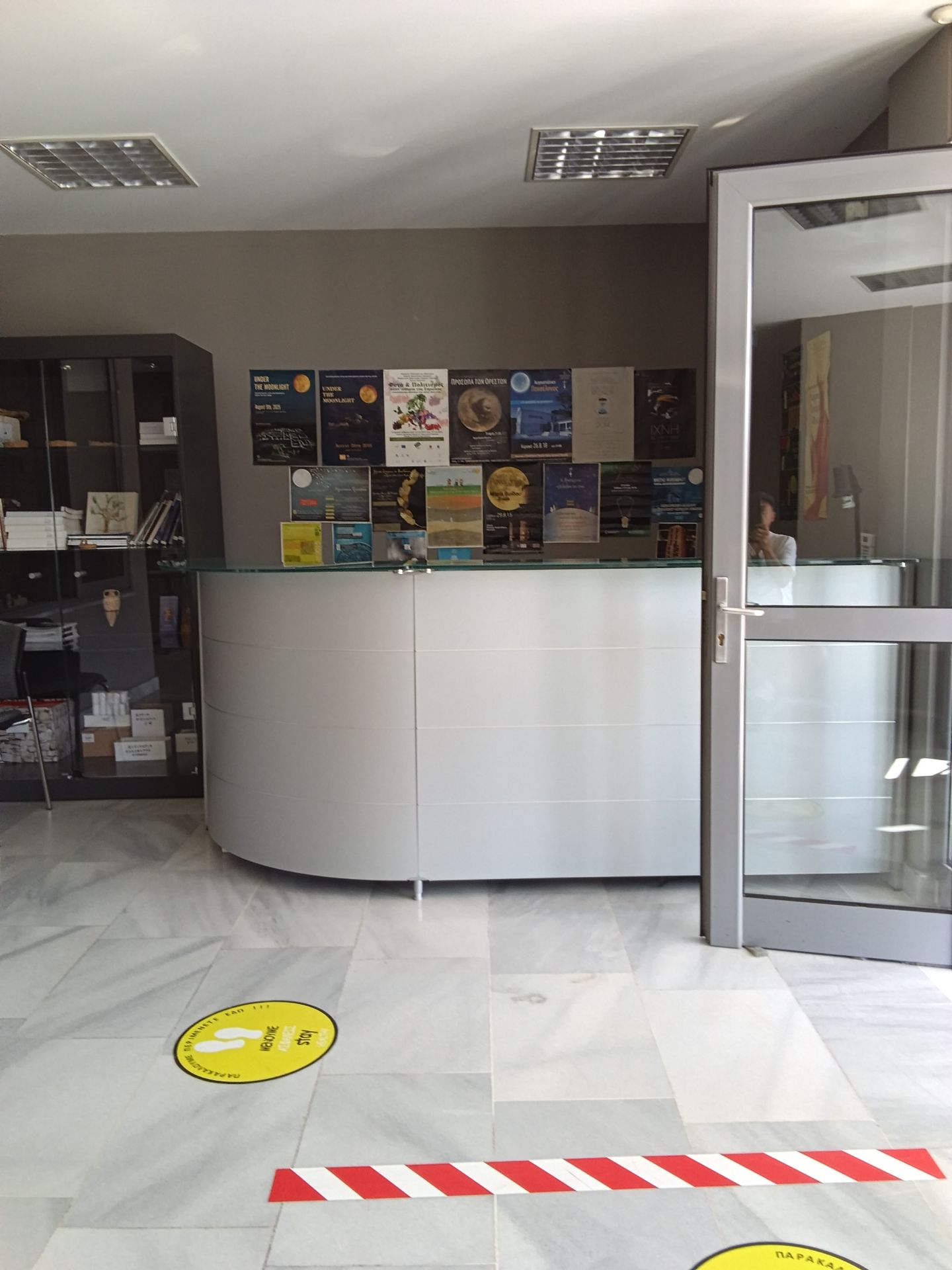
Ticket office / Reception
Tickets - Information
- Includes…
- Reception/information desk, Ticket offices/cashiers, Ticket checkpoints
- The lighting is adequate
- Yes
- At all points with high desks/counters/service windows
- No
- Is there a dedicated quiet area nearby?
- No
- Any printed material provided to inform service users is also available in…
- Braille
- Is it…
- Inside the building
- Can the public be informed about the existence, content and accessibility of the service before visiting the site?
- No, no such information is provided
- Is the space kept clean and well ventilated?
- Yes
- Are the points where services are provided easy to locate?
- Yes
- At all points with desks/counters/service windows with transparent partitions, is a microphone/speaker system installed?
- There are no points with such desks/counters/windows
- Is wheelchair access ensured?
- Yes
- Are alternative ways of service provided for people with disabilities?
- None, because they are not needed
- Sign language assistance is available
- No
- There are dedicated points/staff to assist people with disabilities
- No
Special facilities (3)
Special facility
Visitors' guestbook
Special facility
Informational leaflet of the archaeological museum in braille. Greek-English.
Beneficiaries
- Blind people with white cane
- People with low vision
- People with guide dog
Special facility
Wheelchair provision for visitors
Beneficiaries
- People with difficulty walking / standing for long periods
- Other (people with allergies, children, etc.)
- Wheelchair users