East Macedonia & Thrace · Archaeological Site
Archaeological Site of Philippi
Who we are
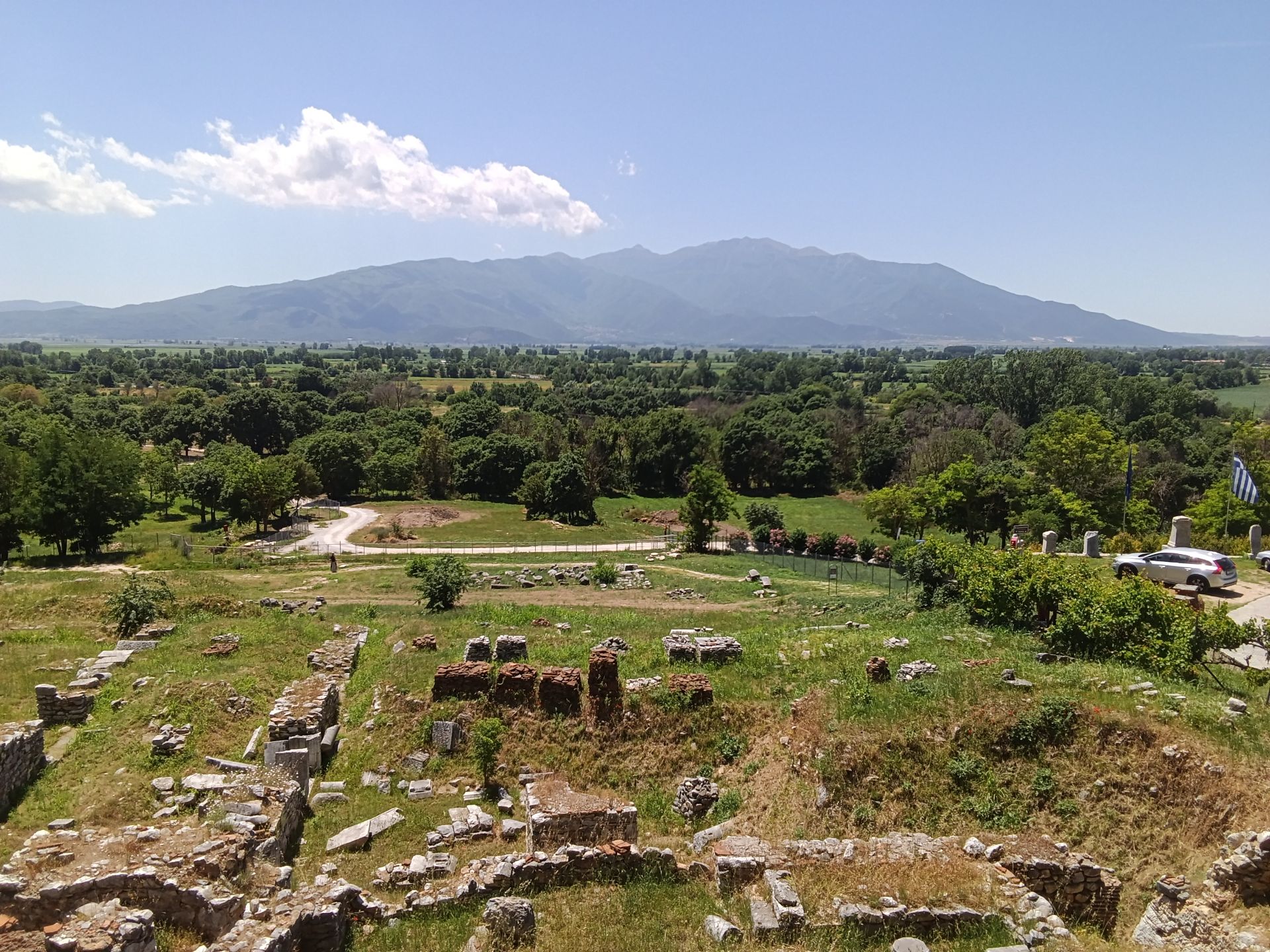
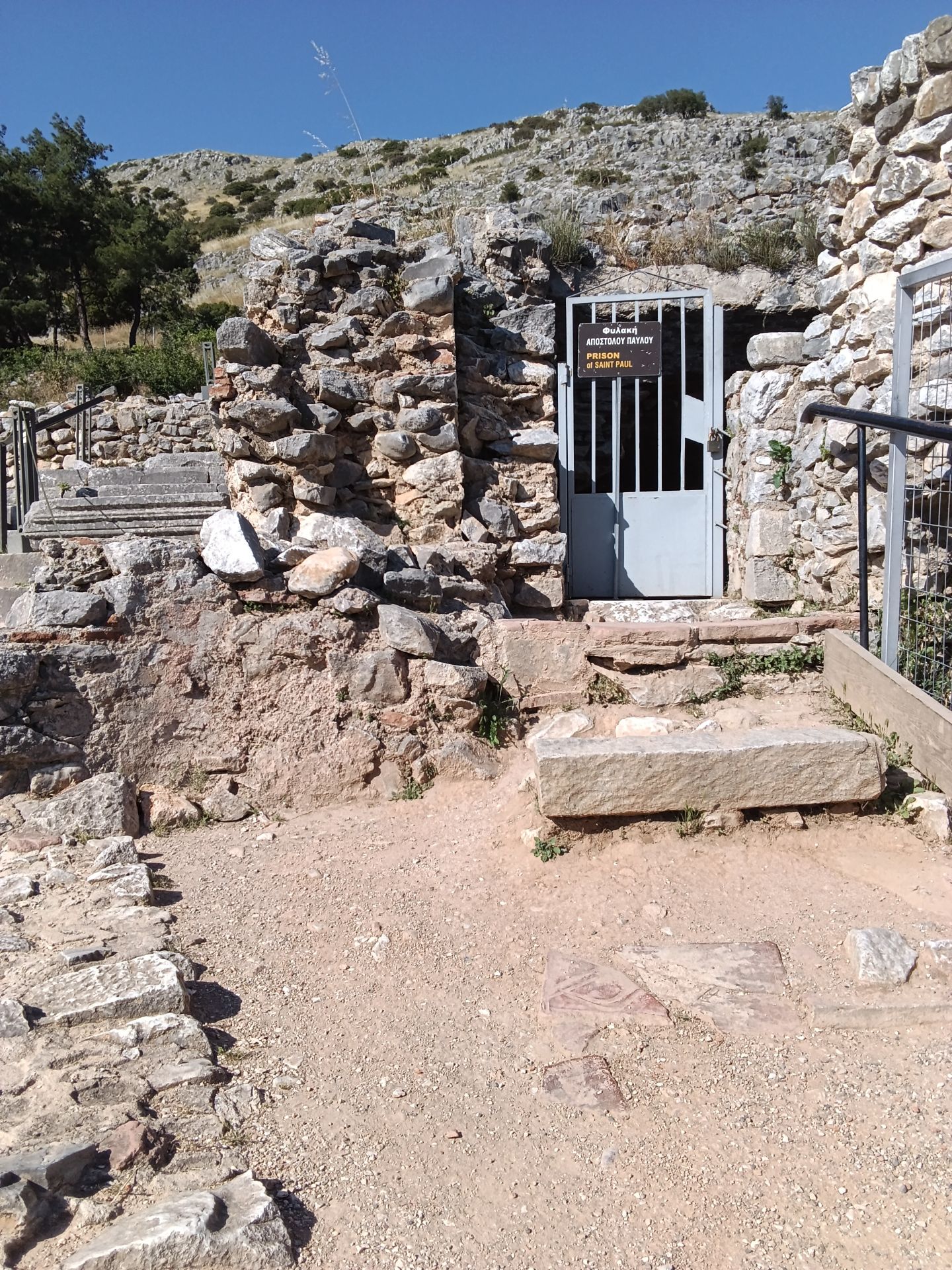
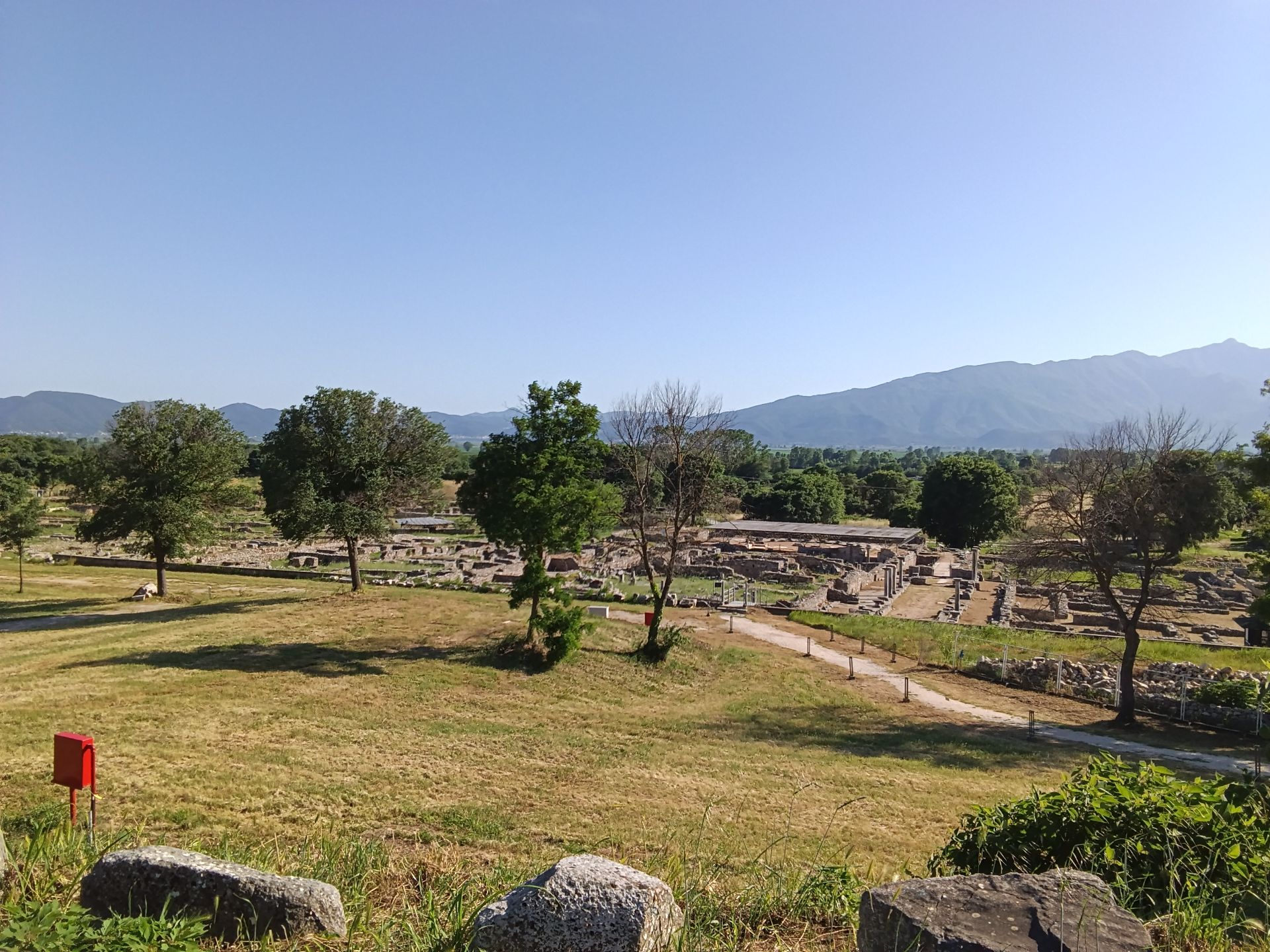
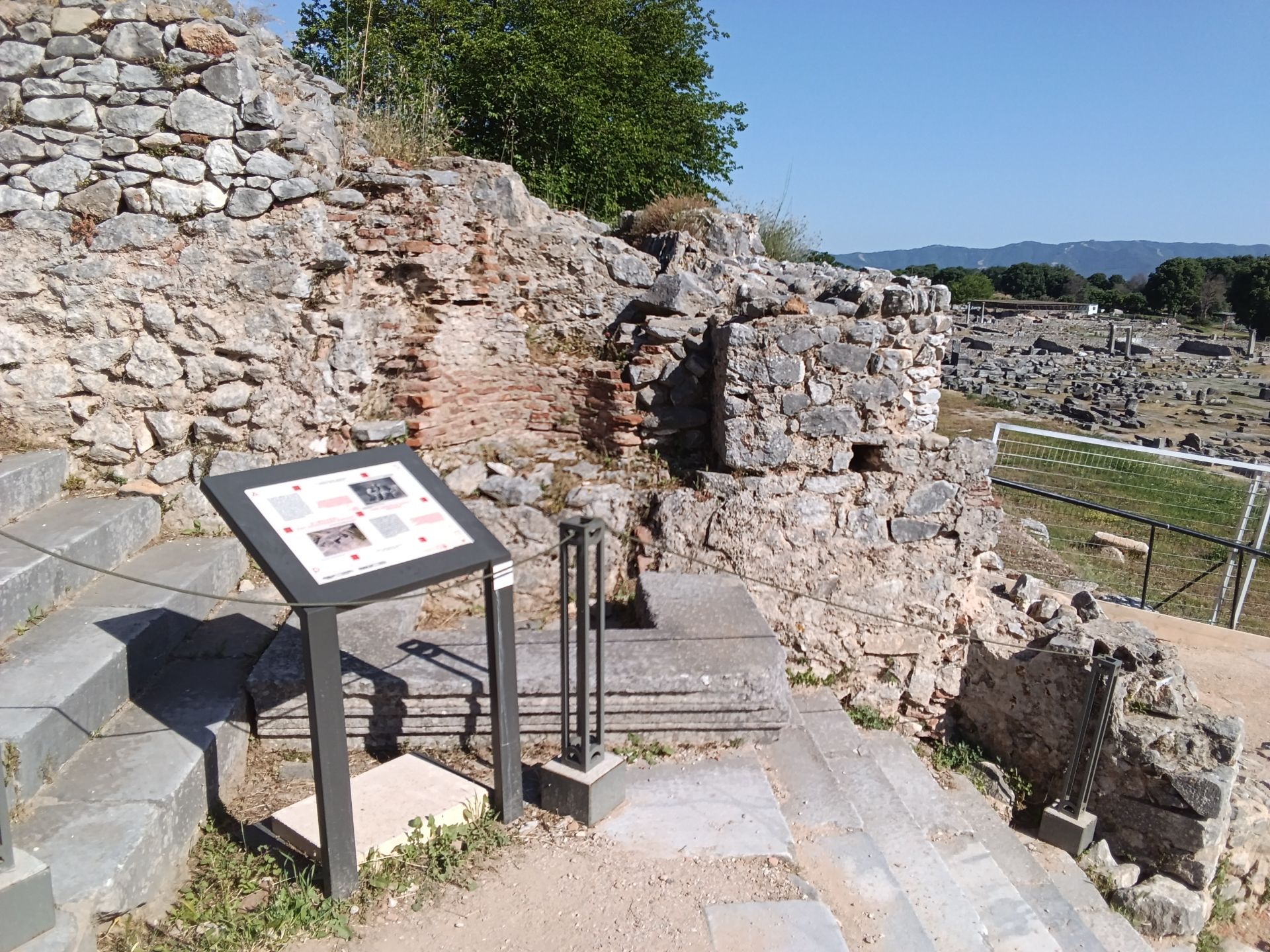
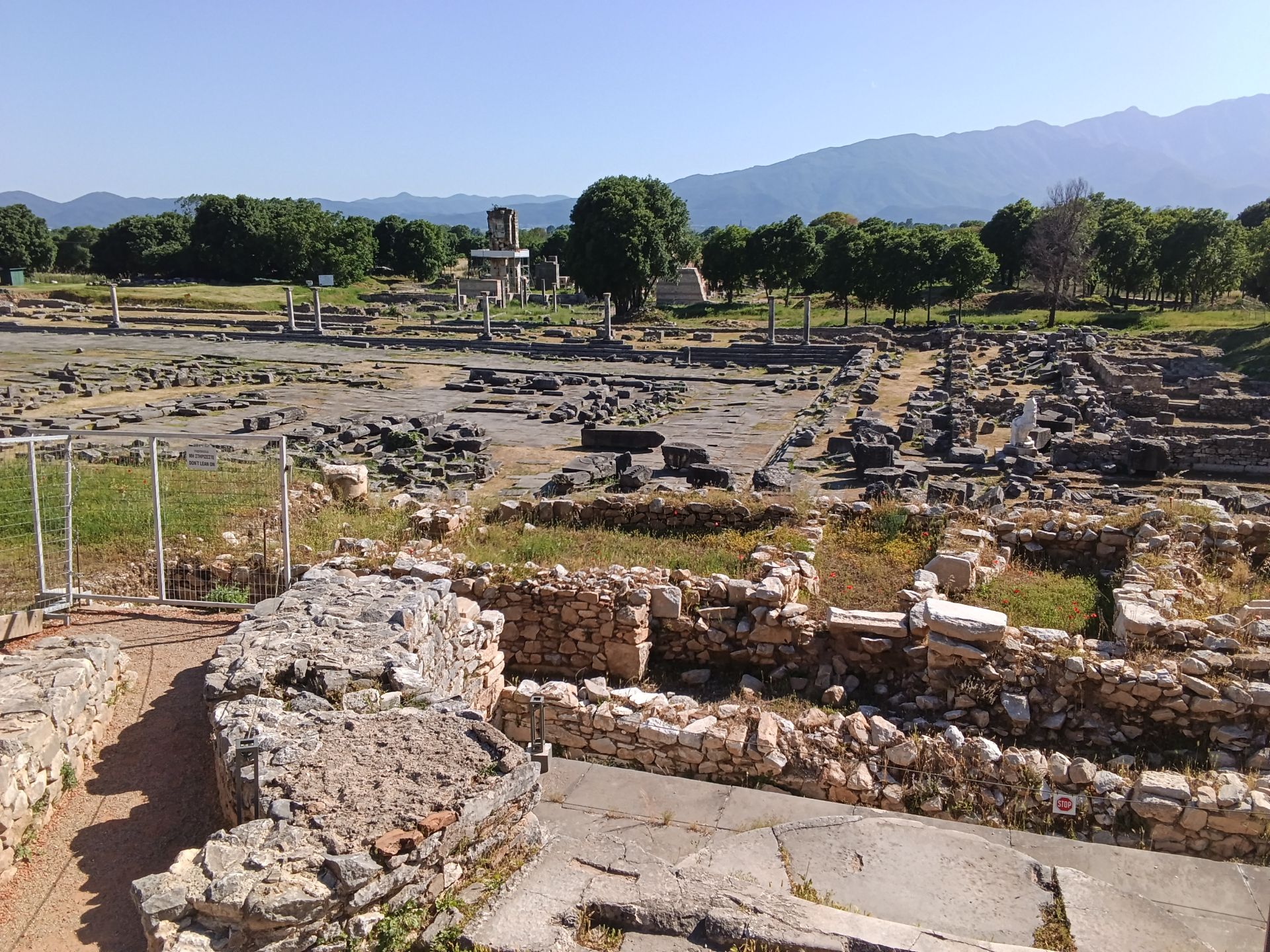
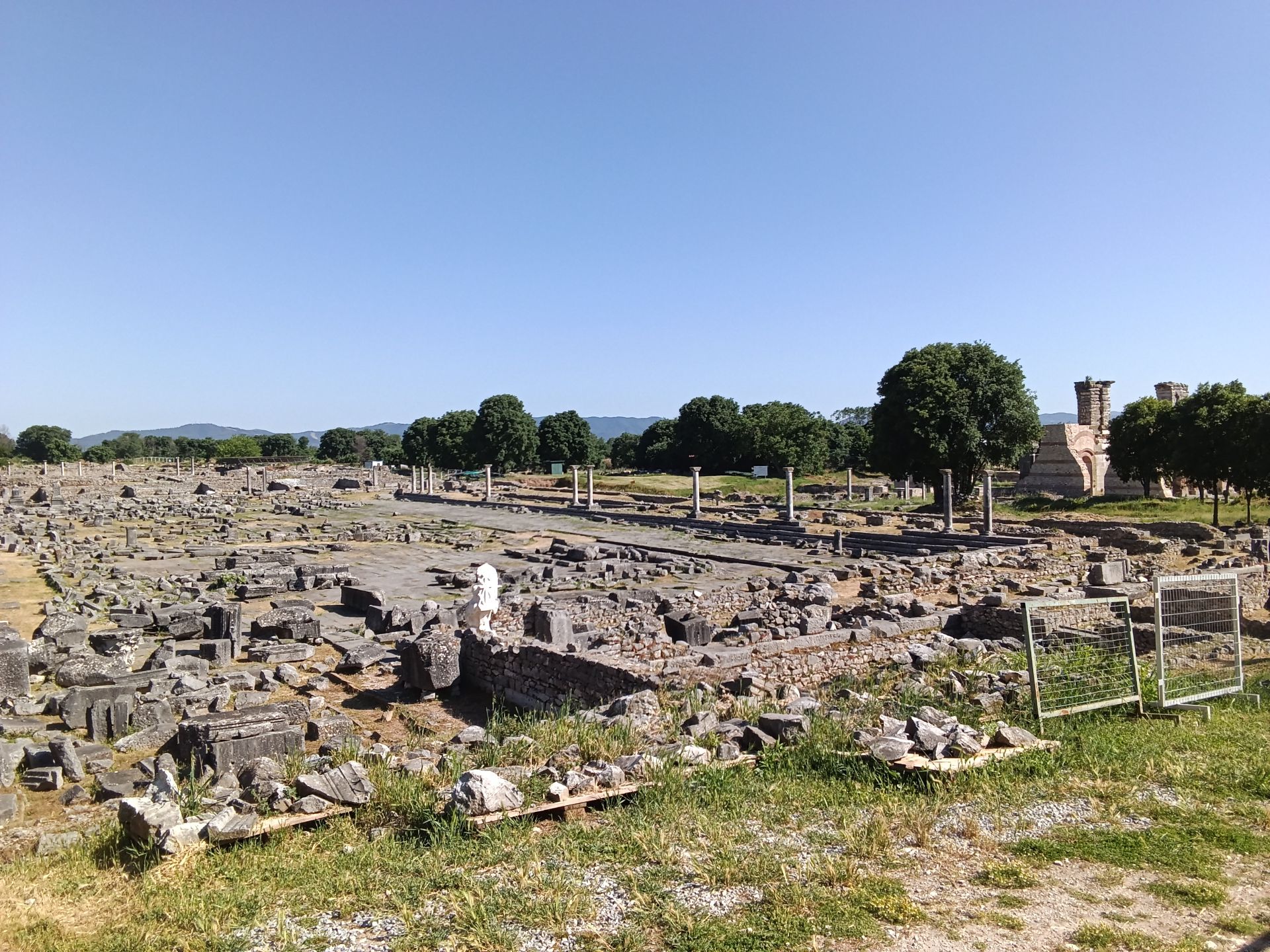
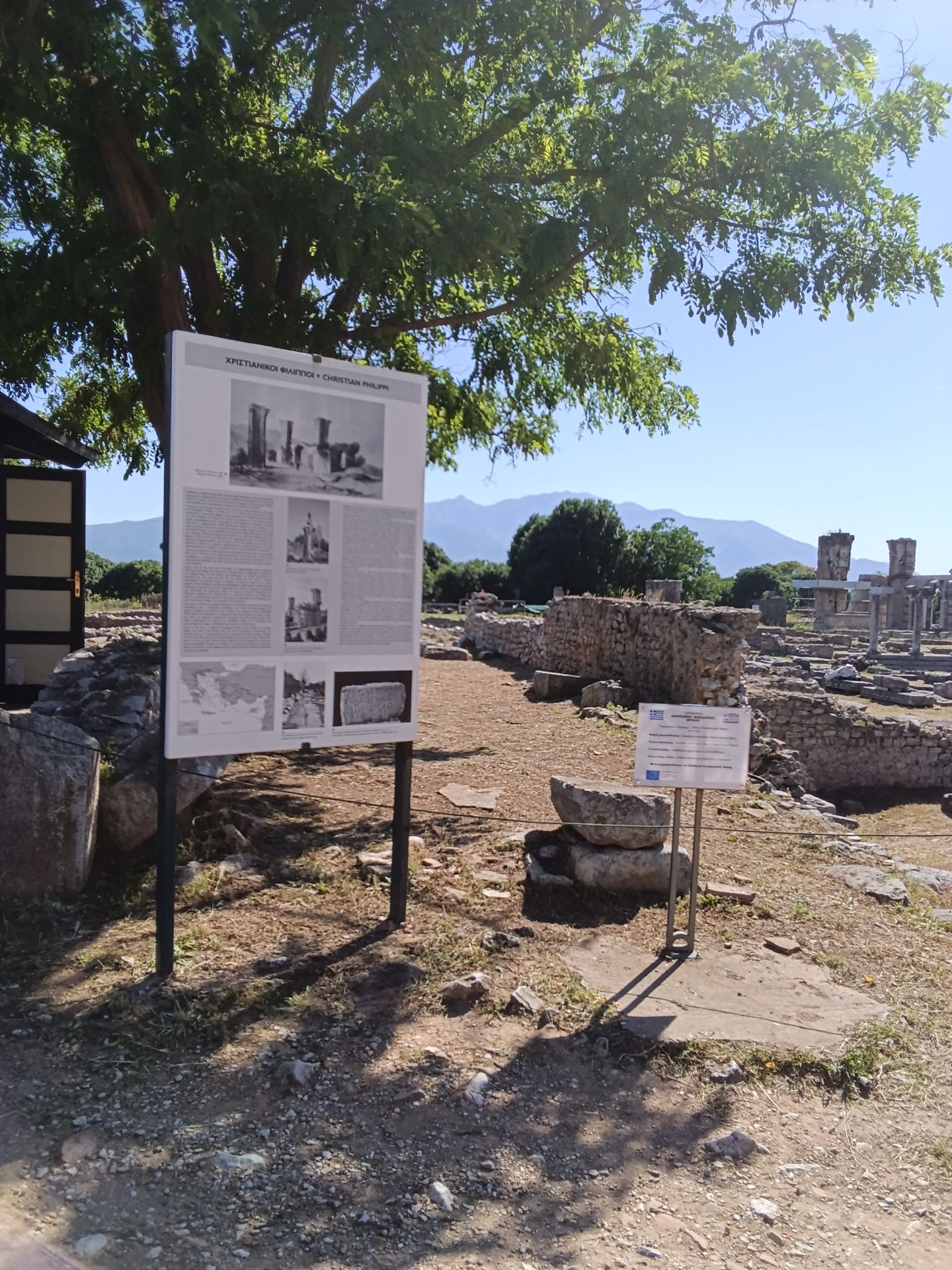
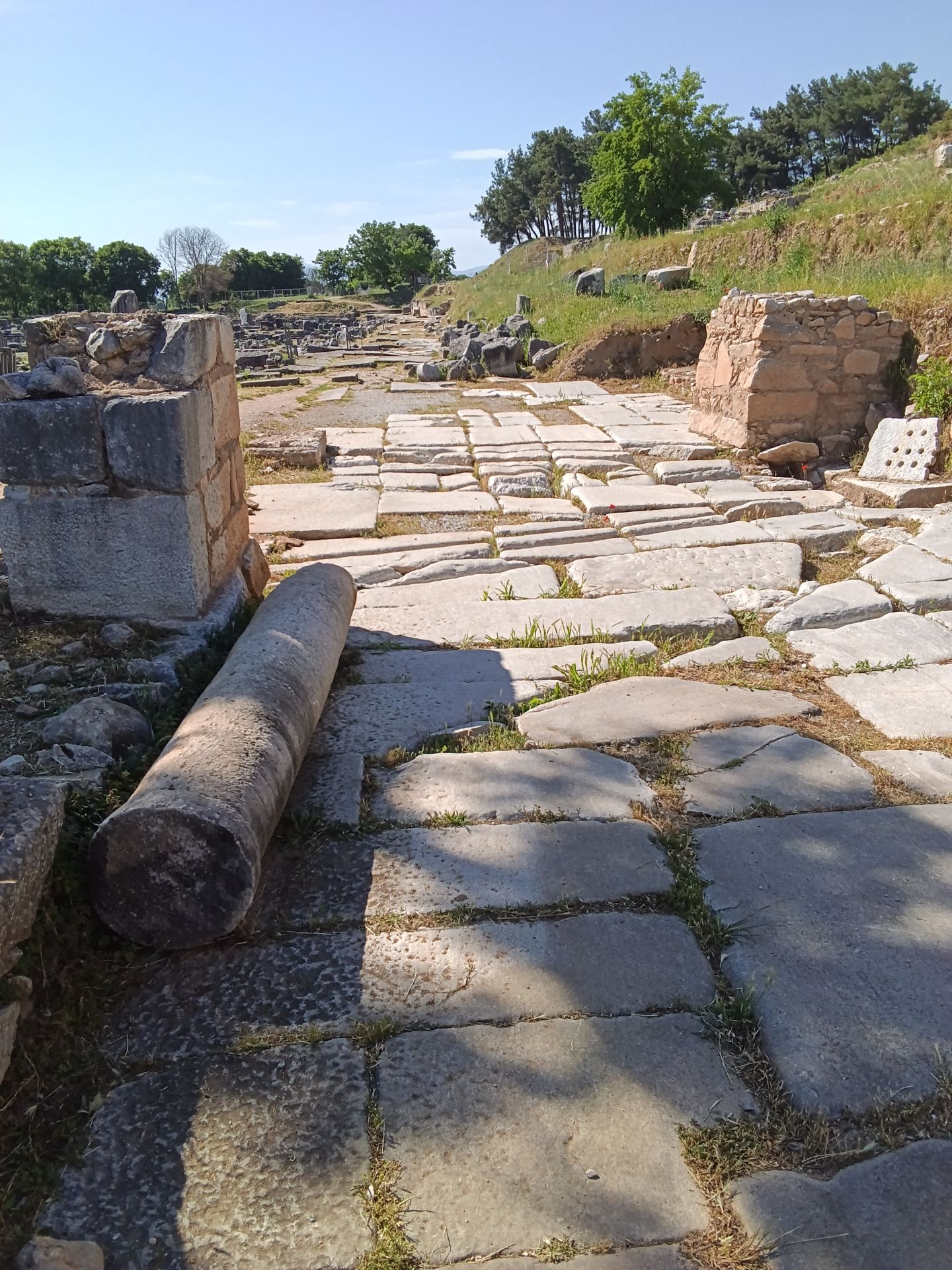
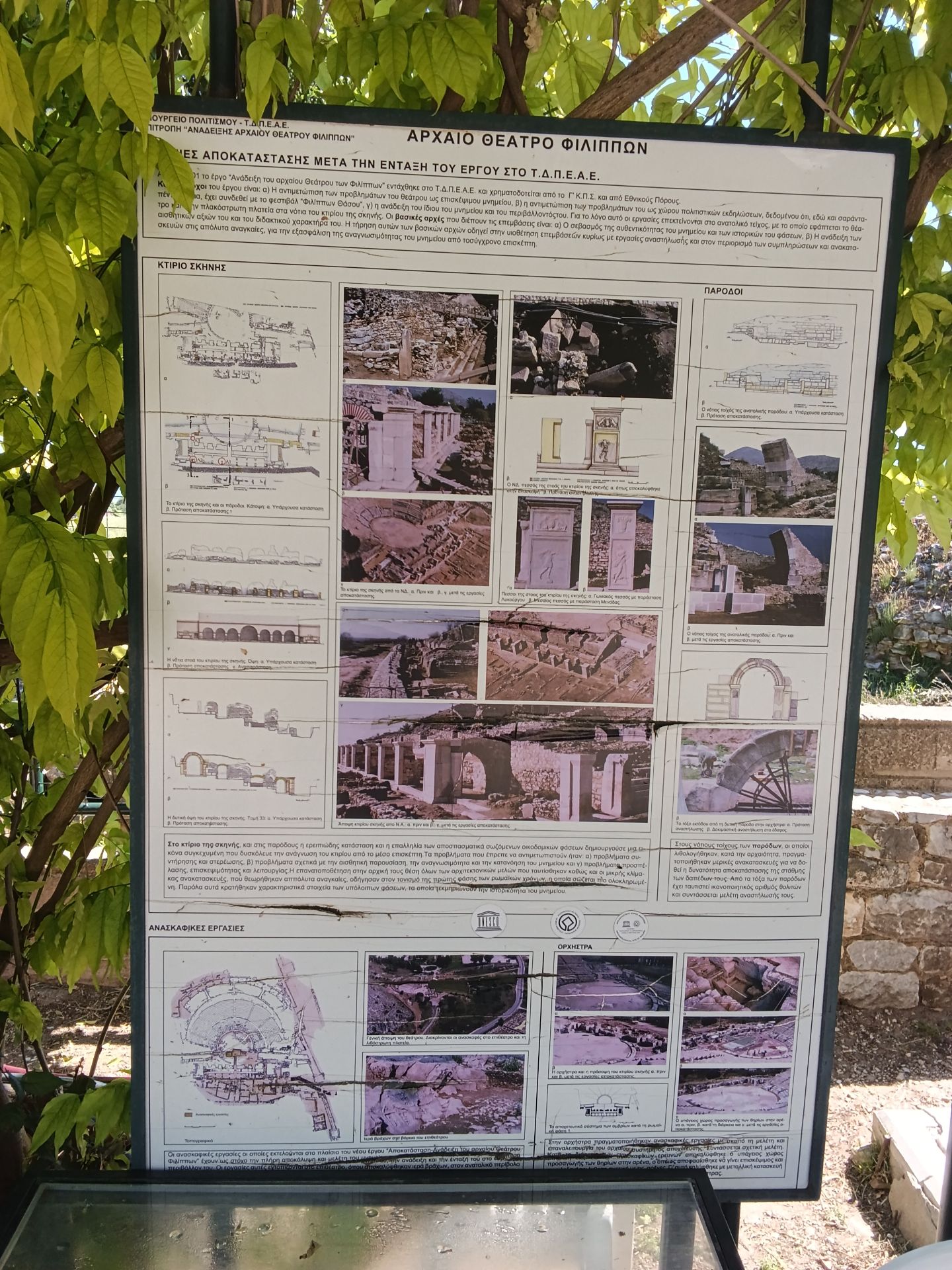
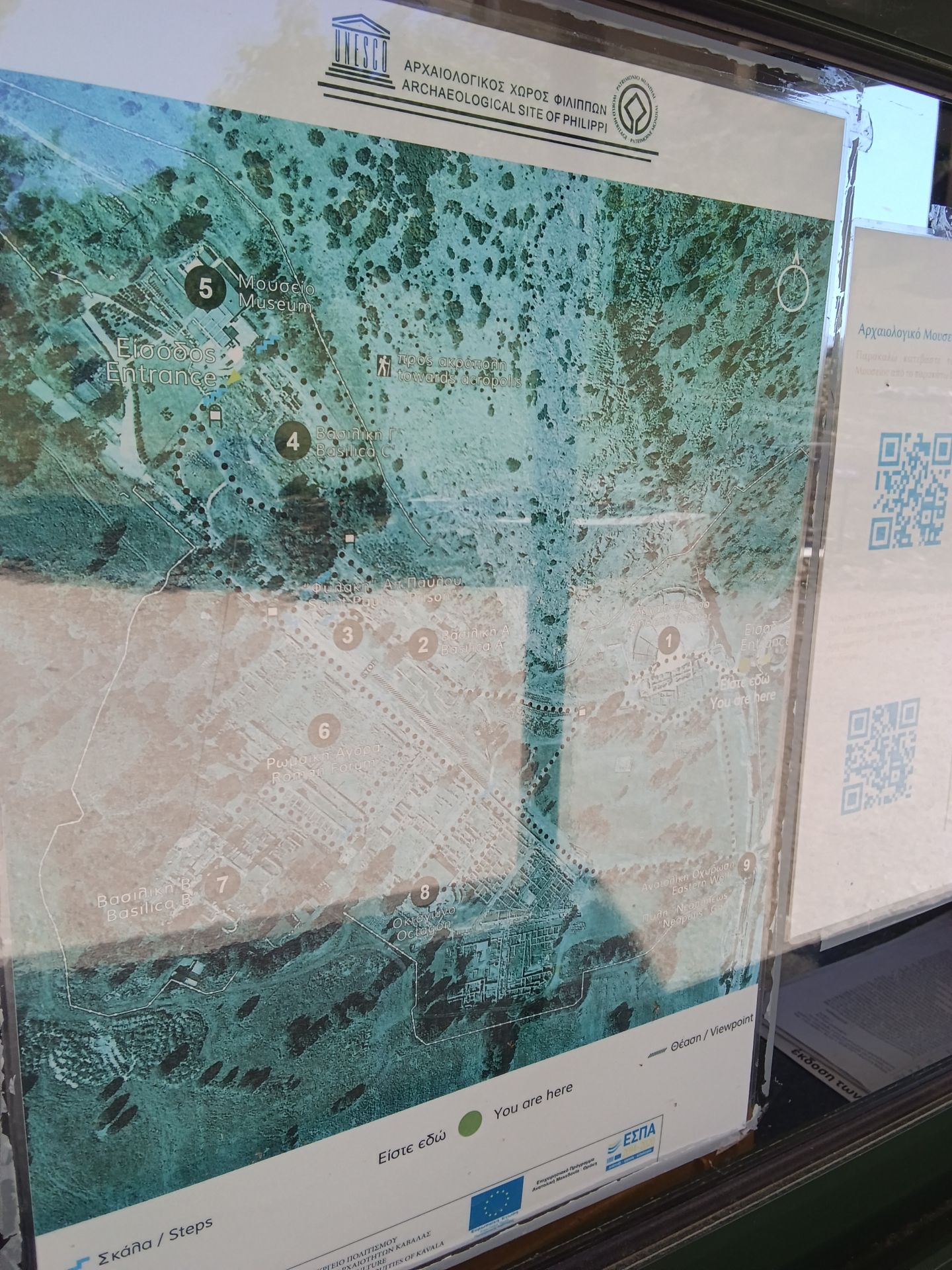
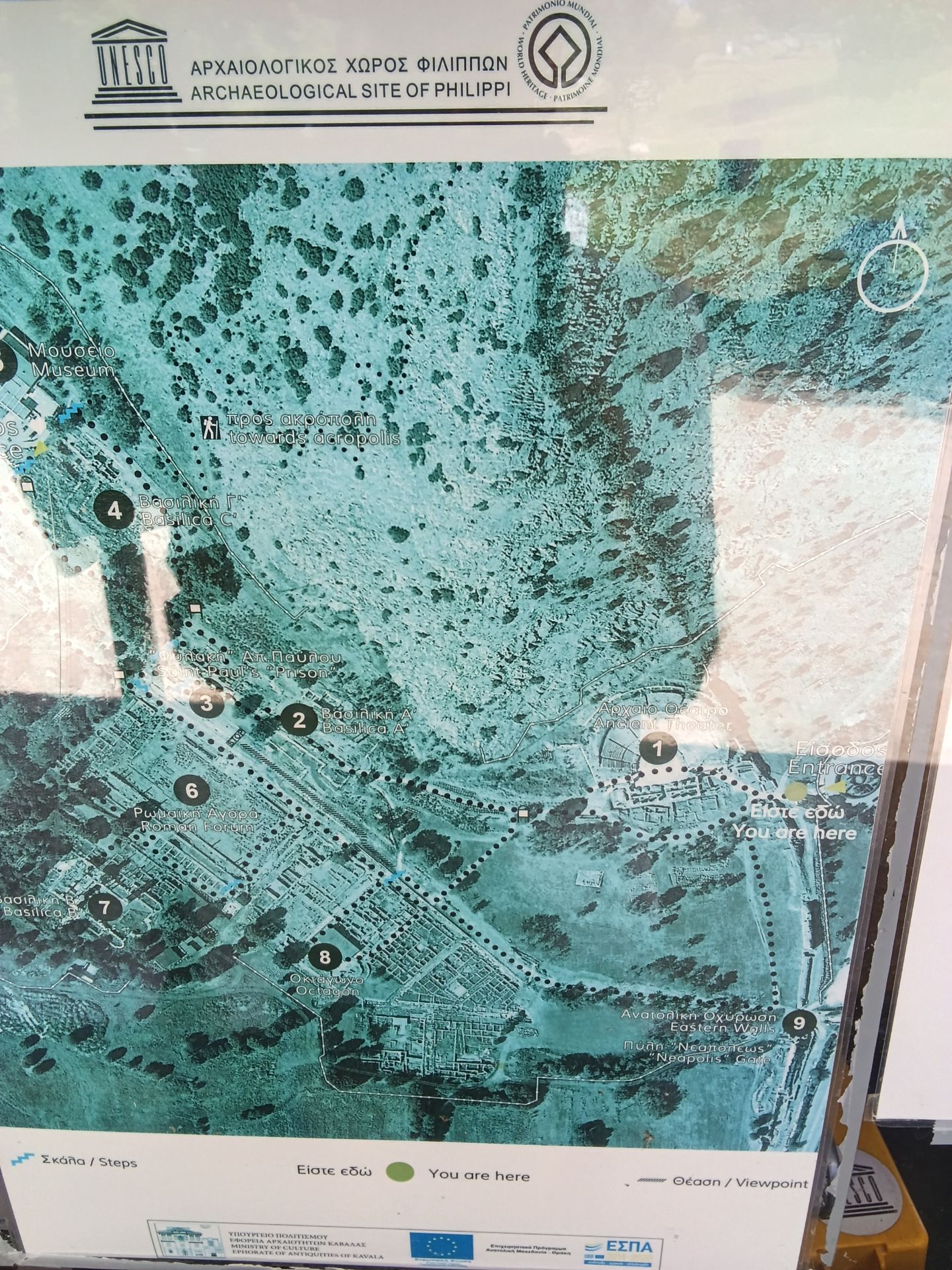
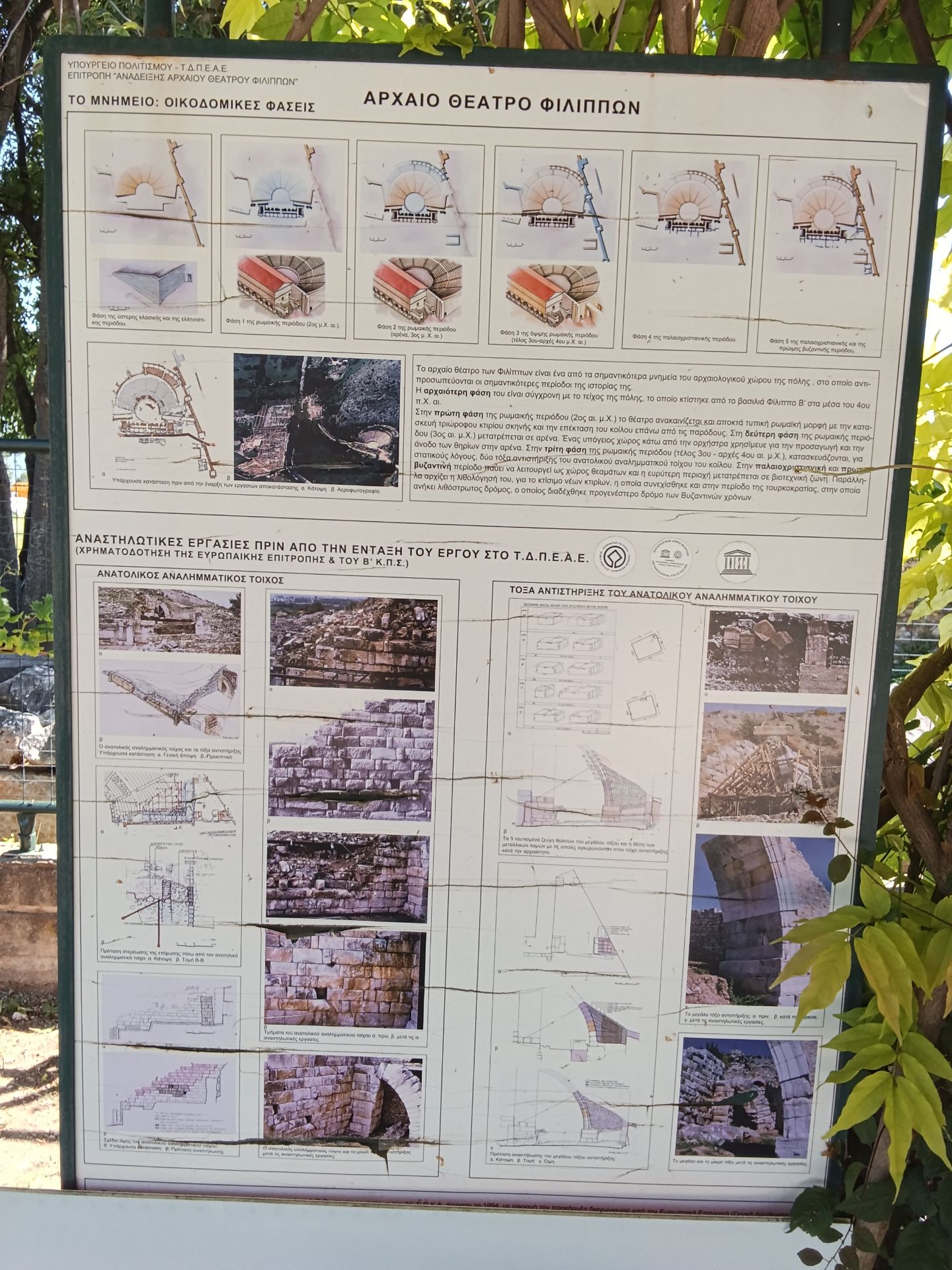
Today the visitor reaches the archaeological site of Philippi, to the west of the municipal district of Krinides, by following the Kavala-Drama provincial road. The most important monuments and archaeological complexes of the site are: the walls and the acropolis, the theatre, the agora, "Basilica A", "Basilica B", and an octagonal church. The walls begin at the top of the hill, where the fortified acropolis stands, and enclose its foothills and part of the plain (first phase -Philip II- mid-4th century BC; second phase -Justinian I, 527-565 AD). Within the acropolis there is a tower from the Late Byzantine period. The total length of the perimeter of the walls reaches 3.5 km. The theatre was most probably built by King Philip II around the mid-4th century BC. In the 2nd and 3rd centuries AD, significant alterations and additions were made to adapt its function to the needs of Roman-era spectacles. The Roman agora (forum) was the administrative centre of Philippi in the Roman era. It is a unified, planned complex of public buildings organised around a central square with monumental structures, the north-eastern and north-western temples. To the north of the agora runs a large paved road that has been identified with the ancient Via Egnatia. Basilica A dates to around the end of the 5th century AD. It is a large, three-aisled basilica measuring 130x50 m, with a transverse aisle on the eastern side, a square atrium, a gallery above the aisles and narthex, and a distinctive fountain (phiale). In the middle aisle, parts of the luxurious paving and part of the ambo are preserved. Particularly impressive are the wall paintings (imitating marble revetment) of the vestibule of the chapel. Basilica B dates to around 550 AD. It is a three-aisled basilica with a narthex and annexes to the north and south (fountain, diaconicon). The almost square central aisle was covered by a dome, which rested on large piers. The sanctuary was roofed with a vault. Its sculptural decoration reflects Constantinopolitan influence. Basilica C is a magnificent three-aisled basilica with a narthex and transverse aisle, a double ambo, luxurious marble floor inlays, and rich sculptural and architectural decoration. It dates to the 6th century AD. The "Octagon" was the complete complex of the episcopal church of Philippi. It includes the octagonal church, which shows three building phases (from the late 4th/early 5th to the mid-6th century AD), built on the site of an oratory dedicated to the Apostle Paul (early 4th century AD). This house had in turn been founded on the site of a Late Hellenistic tomb-heroon. The complex also includes a fountain, a baptistery, a bath, a two-storey bishop's residence, and a monumental gateway towards the Via Egnatia. The "Prison" of the Apostle Paul is located to the south of Basilica A. According to tradition, it is believed that the Apostle Paul was imprisoned in this place. In reality, it is a Roman water cistern, which was later converted into a place of worship. The Palaestra has been largely covered by Basilica B. It included a central peristyle courtyard, rooms, and a small amphitheatre. The best-preserved space is the latrines (vespasianae) in the south-eastern corner of the building. The rectangular building (measuring 27 x 10 m) uncovered to the south of the Forum of the Roman city, with a portico featuring a six-columned Corinthian colonnade on its facade, is identified by its architectural layout and the inscriptions found within it as the Roman commercial market (macellum). The complex consisted of a central peristyle courtyard, to the right and left of which were the shops. The commercial market complex is separated from that of the Forum by a wide road (9 m wide), the commercial street. It is a structure of the Antonine period (second half of the 2nd century AD), contemporary with the Forum. In the mid-6th century AD, the greater part of it was destroyed down to the foundations to create the space needed for the building of Basilica B. Only its northern part survived, with the six-columned colonnade, which was incorporated by the Byzantine architect into the basilica, forming the monumental entrance to its northern aisle. Ancient Theatre The ancient theatre of Philippi is an important monument. Its present form is the result of successive building alterations, which represent various phases in the history of the city. It is located on the south-eastern slope of the acropolis hill, adjoining the eastern wall of the city, on which it rests. Its original phase, contemporary with the city walls, dates back to the reign of Philip II, King of Macedonia (mid-4th century BC). From this phase the retaining walls (vertical walls that supported the cavea of the theatre) of the cavea -that is, the area where the spectators sat- and of the parodoi -the passages leading to the orchestra of the theatre- survive. At this time the orchestra, the open central area where the actors "performed", had a horseshoe shape. This theatre continued to be used by the Roman colonists, after it was adapted to suit the new spectacles of Roman society and to accommodate numerous spectators. In the 2nd century AD, the theatre acquired a typical Roman form, with a magnificent three-storey stage building, an orchestra paved with marble slabs, and a cavea extending over the parodoi, which are covered with vaulted constructions. An idea of this form of the theatre is given by the southern portico of the stage building, which was recently restored and bears, on the fronts of its piers, relief slabs with depictions related to the god Dionysus (maenads, etc.). In the 3rd century AD, the theatre was converted into an arena for wild-beast fights. The proscenium was demolished and the first rows of seats of the cavea were removed. Around the perimeter of the orchestra, a wall 1.20 m high was raised, with a railing to protect the spectators from the beasts. Indeed, for the keeping and easier transfer of the beasts into the arena, a large rectangular underground space was created at the southern end of the orchestra. In this phase, the epitheatron must also have been built, a vaulted construction at the highest part of the cavea, which supported new rows of seats and increased the theatre's capacity. In the late Roman period (late 3rd-early 4th century AD), the two arches must have been built to buttress the theatre against the neighbouring wall. In the Early Christian period (5th-6th century AD), the theatre ceased to function as a venue for performances. Its abandonment must be related to the prevalence of Christianity and the new customs that were no longer in keeping with wild-beast fights or theatrical performances. The portico at the rear of the stage building was converted into a workshop space. With the destruction of the stage by fire, probably related to the great earthquake that destroyed the city of Philippi at the beginning of the 7th century AD, the systematic demolition of the theatre began, with the aim of using its members as building material for the construction of new buildings. During the Early Byzantine period, the stage building and the area to the south-east of the theatre housed workshops. Finally, during the period of Ottoman rule, the cobbled road that, until the early 20th century, connected Kavala with Drama by crossing the archaeological site of Philippi, passed in front of the theatre. The earliest information we have about the theatre in modern times comes from European travellers who visited the area from the mid-16th century onwards. The systematic excavation of the theatre began in 1921-1927 by the French School of Archaeology and continued at the end of the 1950s by the Archaeological Service under D. Lazaridis. During this time, the theatre underwent rapid and makeshift interventions so that it could serve the needs of the Philippi Festival. The 18th Ephorate of Prehistoric and Classical Antiquities of Kavala resumed excavation research in 1974 and, from 1993, in collaboration with the Department of Architecture of the Aristotle University of Thessaloniki, began a programme of excavation research, conservation studies, and restoration of the theatre, which is still ongoing. Author: Maria Nikolaidou-Patera, archaeologist ------------- The sales point of the Archaeological Resources and Expropriations Fund is located near the parking area and the cafeteria of the archaeological site. Cards, slides, and a few publications of the Archaeological Resources and Expropriations Fund are also sold at the two ticket offices located at the entrances to the archaeological site.
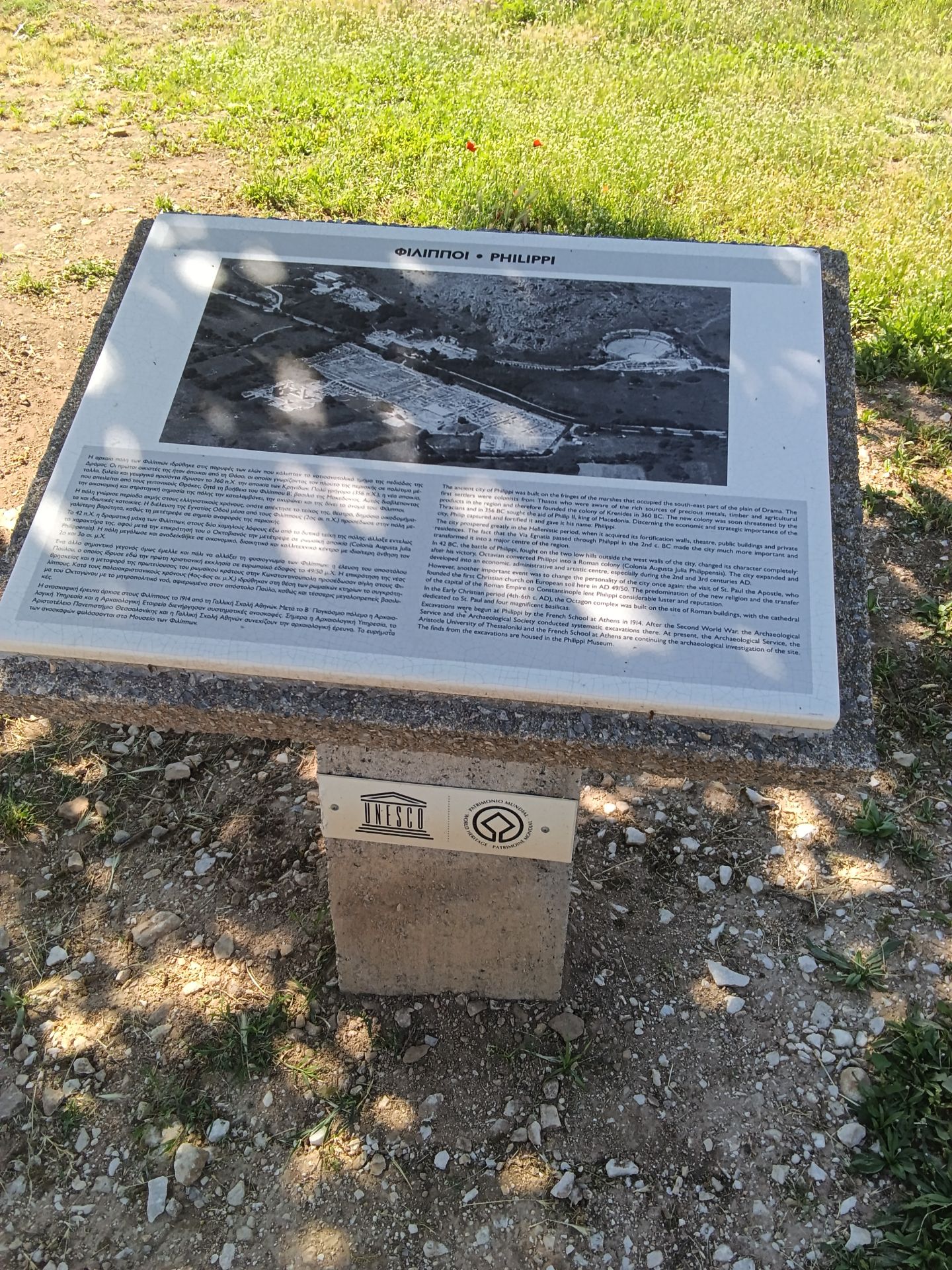
The ancient city of Philippi was founded on the edge of the marshes that covered the southeastern part of the plain of Drama. The city of Philippi is the most important archaeological site in Eastern Macedonia. Its first settlers were colonists from Thasos, who in 360 BC founded the colony of Krenides. The city flourished during the Hellenistic period. The Thasian colonists founded the colony aware of the region's wealth in precious metals, timber and agricultural products. Very soon (365 BC) the new colony, threatened by the Thracians, sought the help of Philip II, king of Macedonia. Foreseeing the city's economic and strategic importance, he captured it, fortified it and gave it his name: Philippi. During its period of development, in the Hellenistic period, the city acquired its walls, the theatre, public buildings and private residences. The passage of the "Via Egnatia" through Philippi, in the 2nd century BC, gave the city greater significance, as it turned it into a point of reference for the region. In 42 BC the dramatic Battle of Philippi outside the western walls of the city completely changed its character, since after his victory Octavian transformed it into a Roman colony (Colonia Augusta Julia Philippensis). Thus the city grew and emerged as an economic, administrative and artistic centre. Another important event, however, was destined once again to change the character of the city: the arrival of the Apostle Paul, who founded here the first Christian church on European soil in AD 49/50. The prevalence of the new religion and the transfer of the capital of the Roman state to Constantinople lent prestige to Philippi. During the Early Christian period (4th-6th centuries AD), on the site of the Roman buildings, the complex of the ''Octagon'' was founded, with the metropolitan church dedicated to the Apostle Paul, as well as three magnificent basilicas. The city began to be abandoned at the beginning of the 7th century AD because of major earthquakes and Slavic raids. It survived in the Byzantine period as a fortified stronghold, while its desolation was completed with the Turkish conquest at the end of the 14th century. Excavation research began at Philippi in 1914 by the French Archaeological School. After the Second World War, the Archaeological Service and the Archaeological Society conducted systematic excavations. Today the Archaeological Service, the Aristotle University of Thessaloniki and the French Archaeological School continue the archaeological research. The finds from the excavations are kept in the Archaeological Museum of Philippi. Every year during the summer months (from May to September) the site is cleared of vegetation to facilitate and ensure the safe access of visitors. Author: Maria Nikolaidou-Patera, archaeologist
- Managing authority
- Ephorate of Antiquities of Kavala
How to get here
It is located next to the municipal district of Krinides, 15 km from Kavala and 21 km from Drama. The visitor can use the regular intercity bus service (KTEL) or a private car. 31 km east of Kavala is Kavala State Airport.
Entry / exit points (2)
-
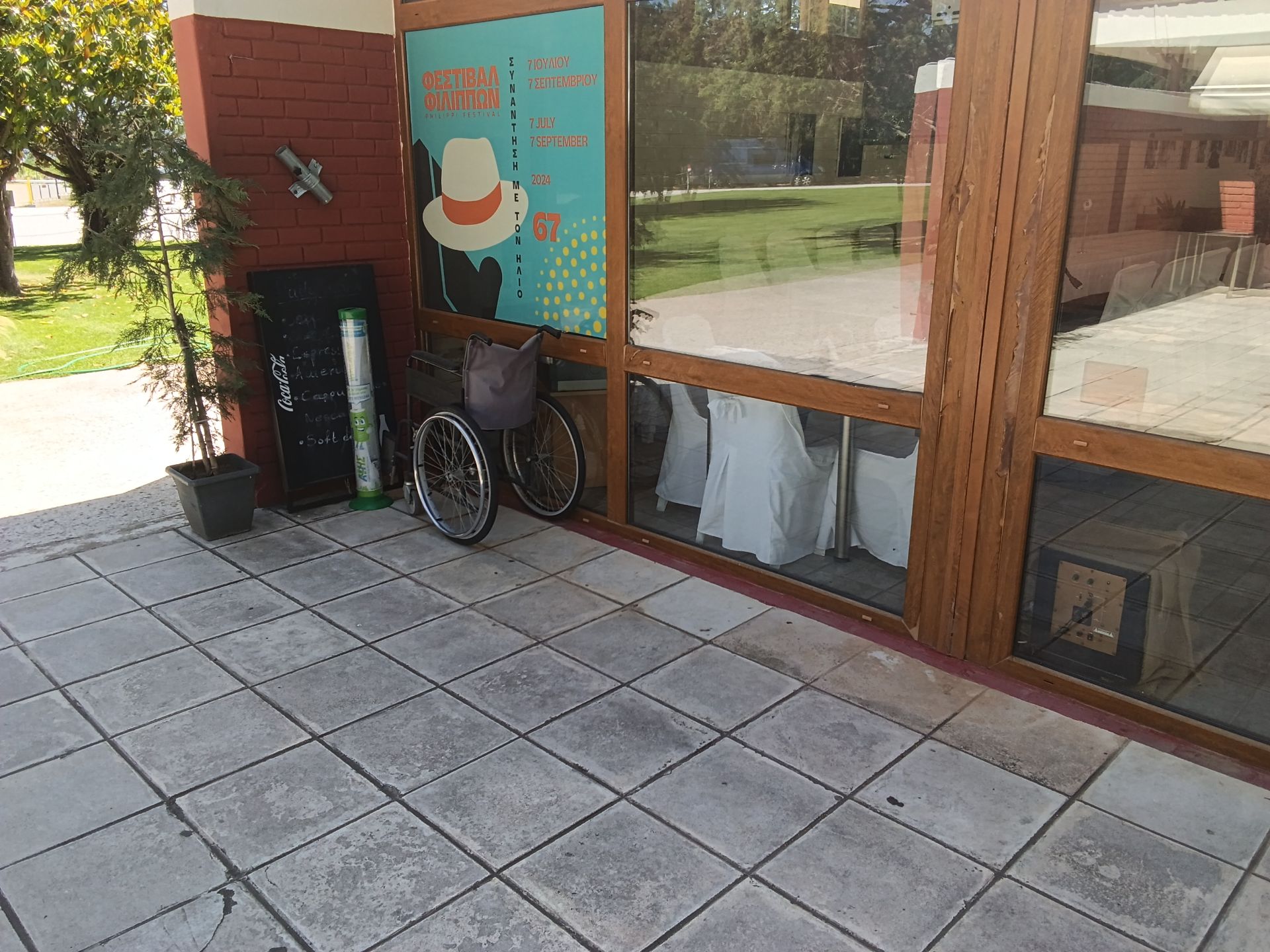
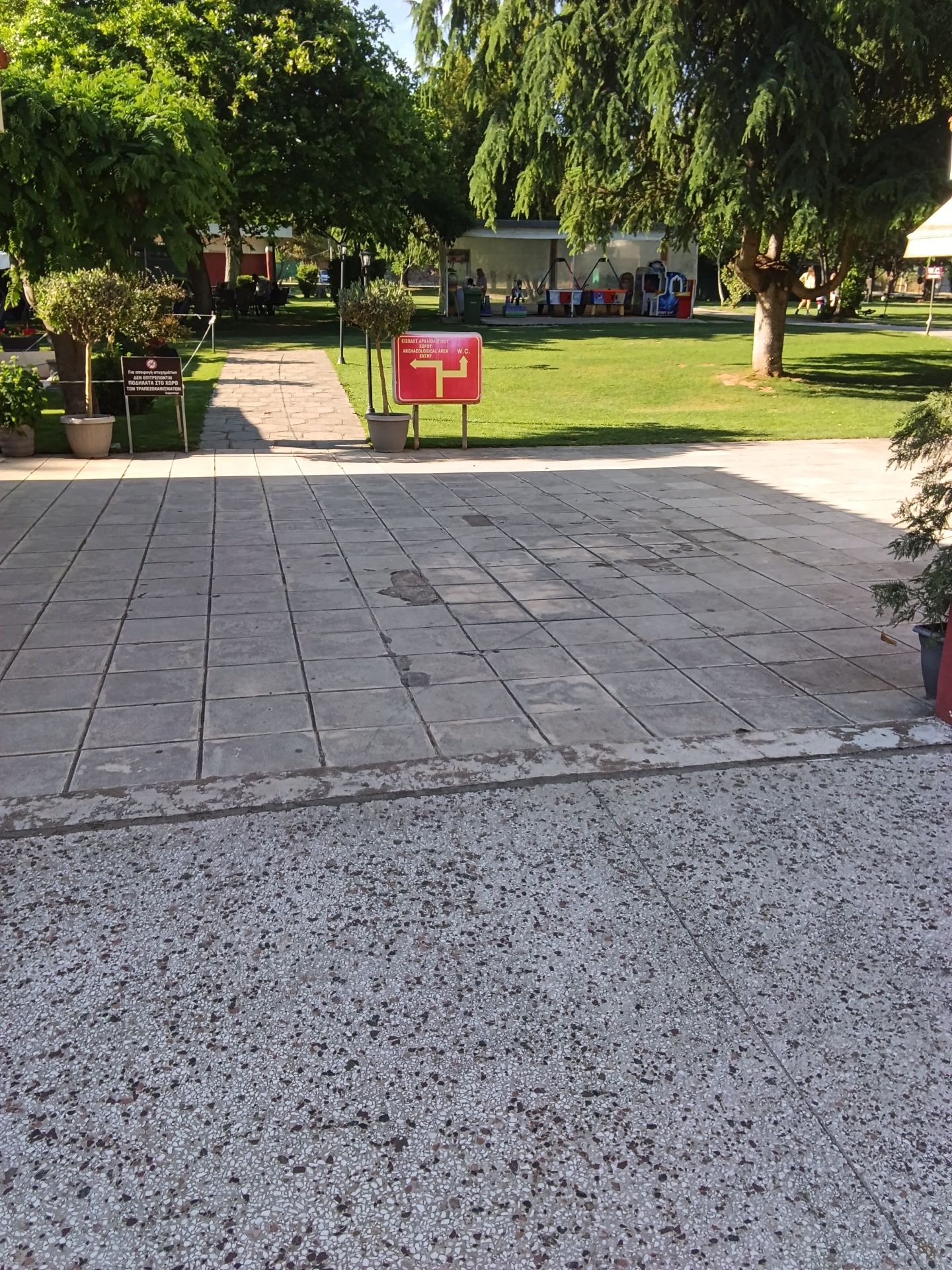
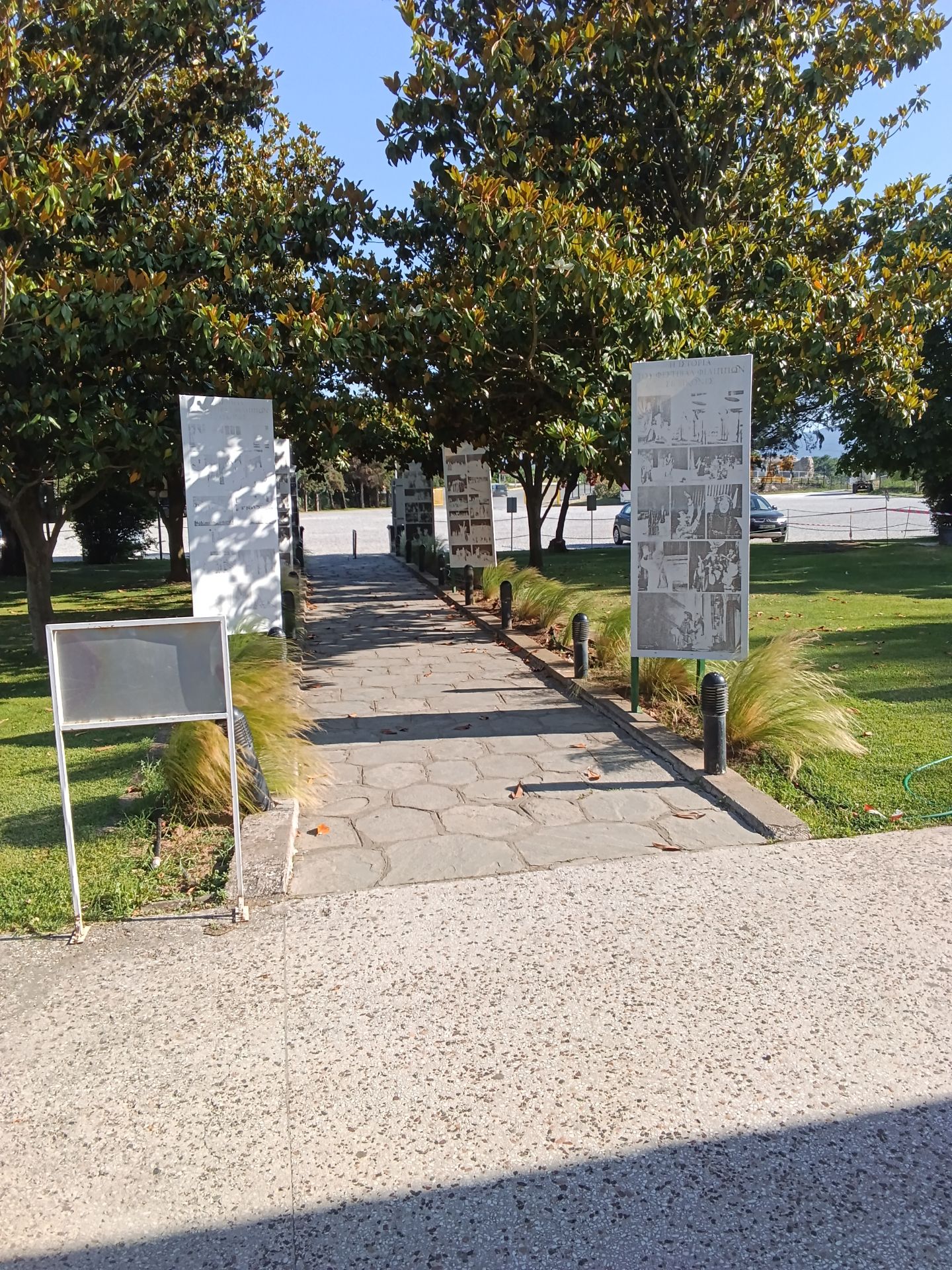
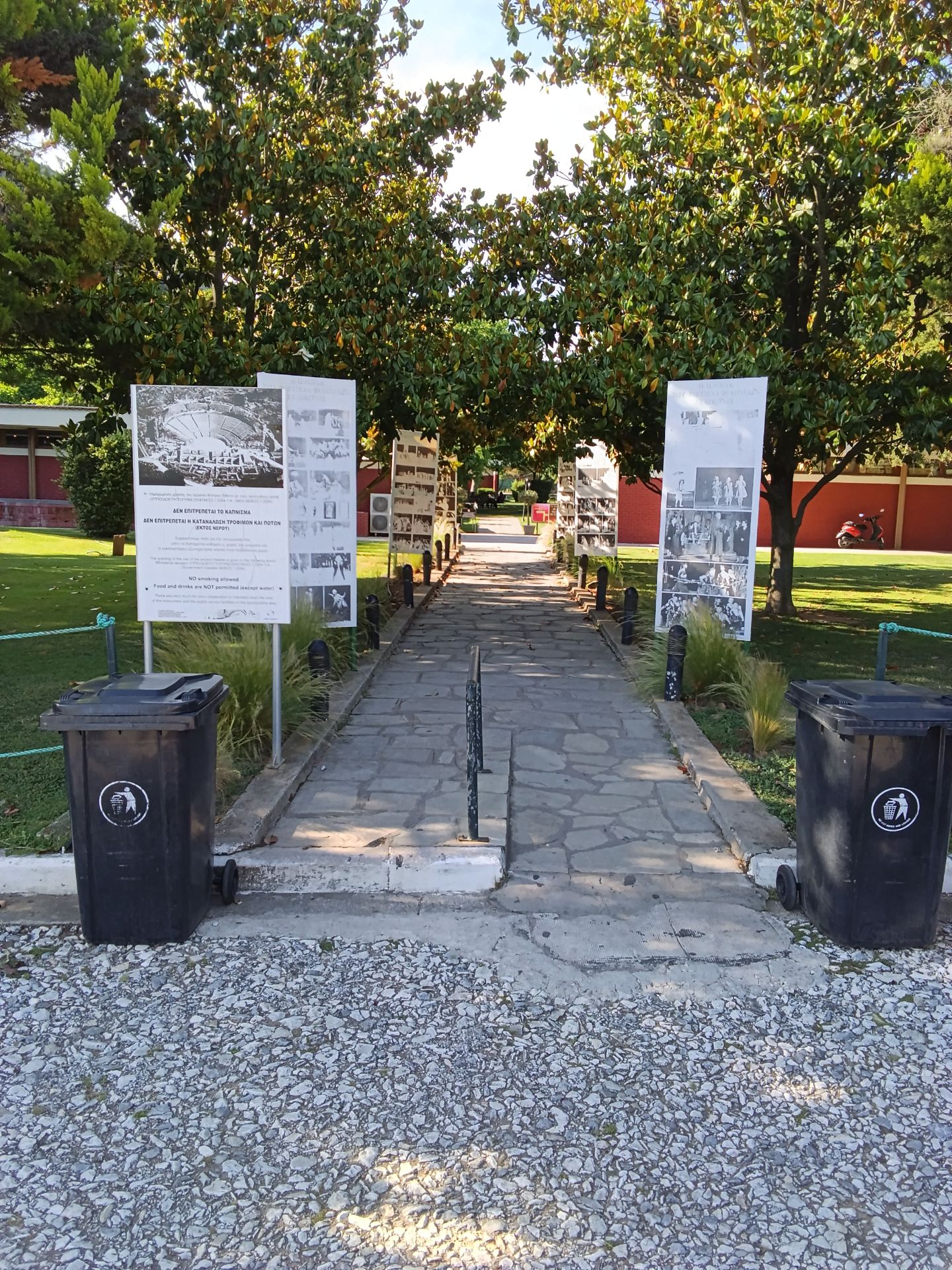
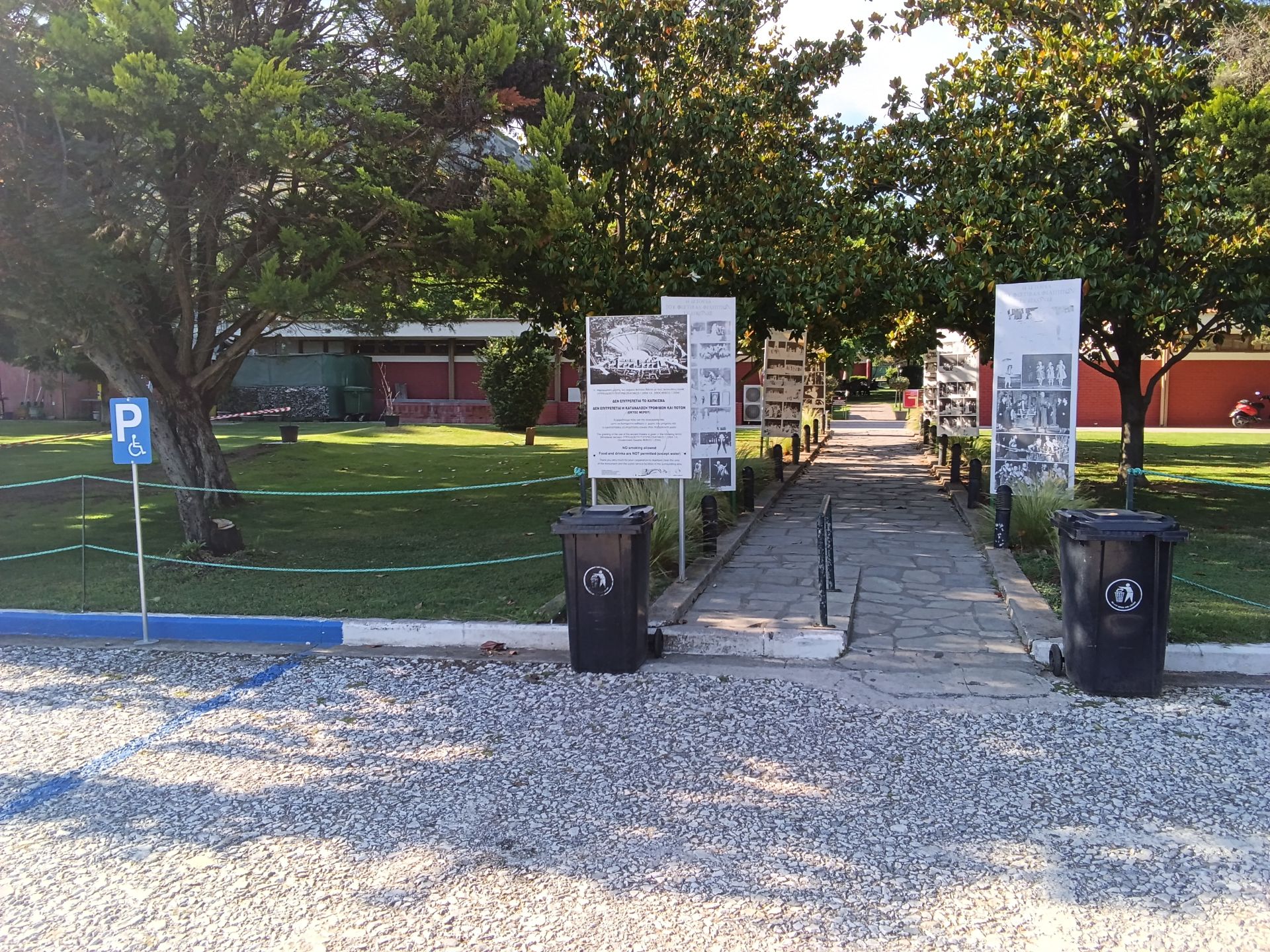
Entrance to the forecourt area
Outdoor infrastructure / routes -
Main public
Outdoor infrastructure / routes
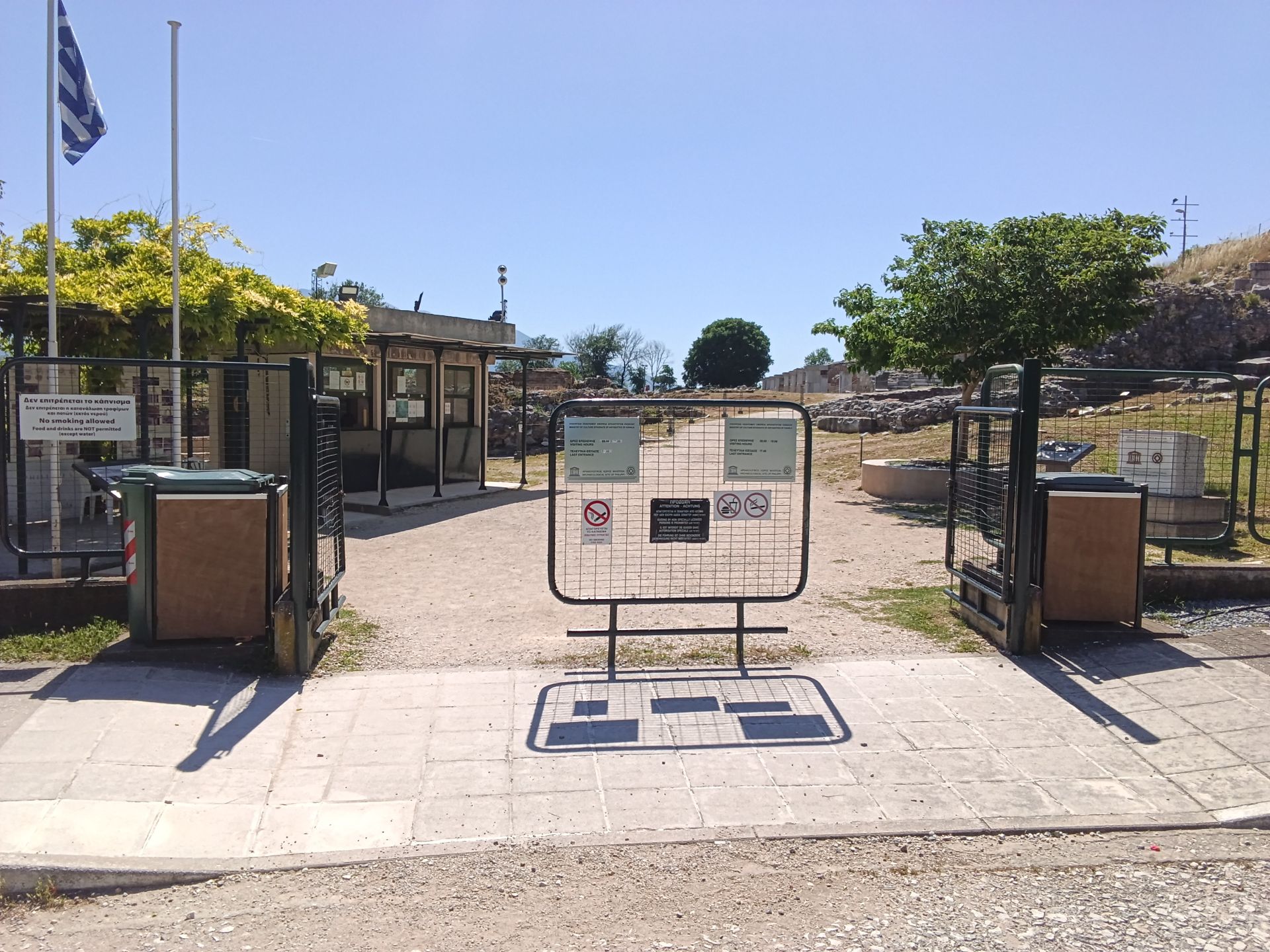
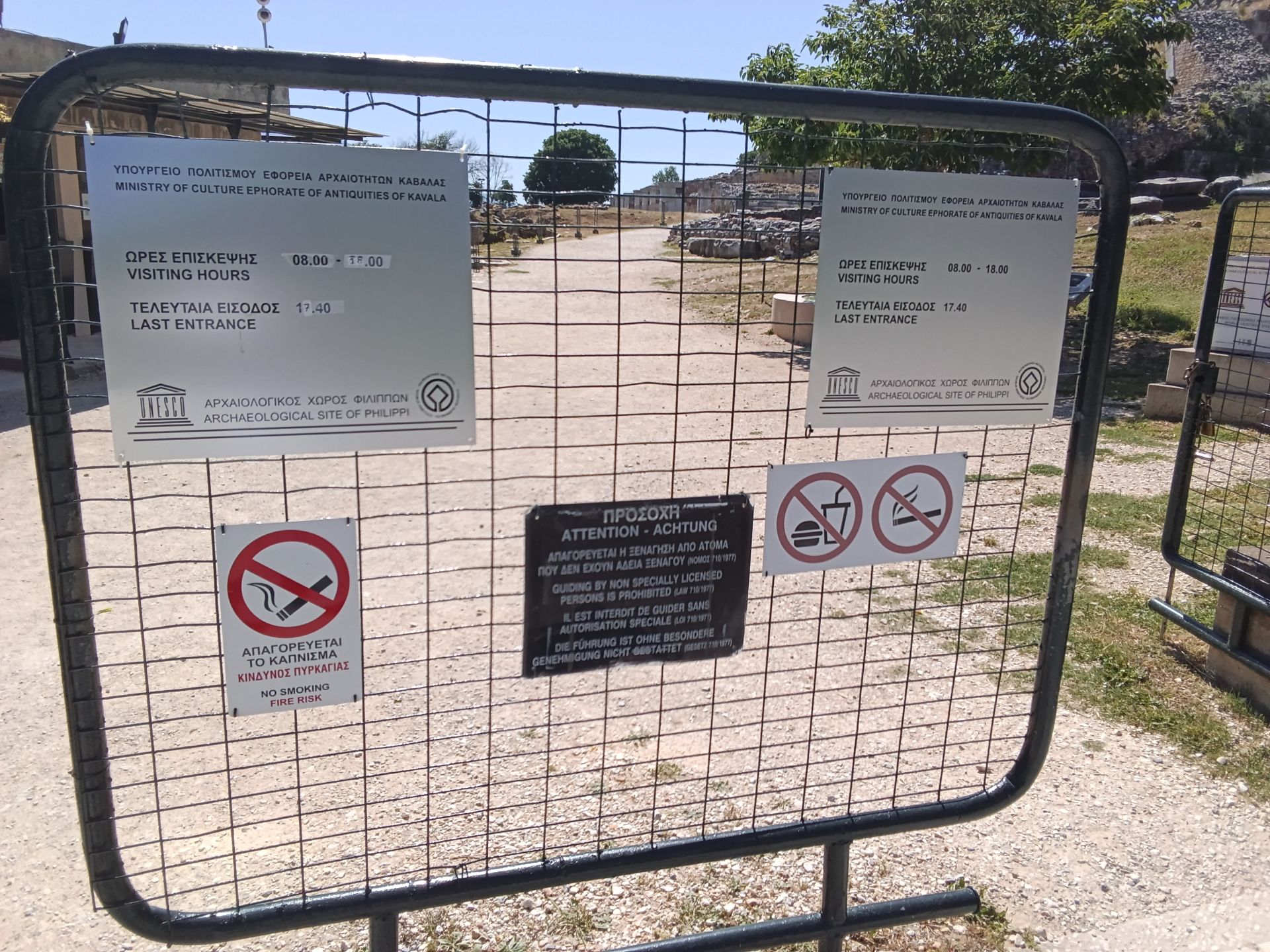
What you can see & do
Activities & facilities
- Parking
- Ticket office
- Café
What you should know
Barriers to be aware of (4)
Outdoor route
From the entrance to the Ancient theatre and then on to Basilica A. Ticket office -> 85 m -> Ancient theatre -> 175 m -> Basilica A
-
Theater
- Type / category of obstacle
- Narrowing (permanent) with a minimum opening of less than 90 cm.
-
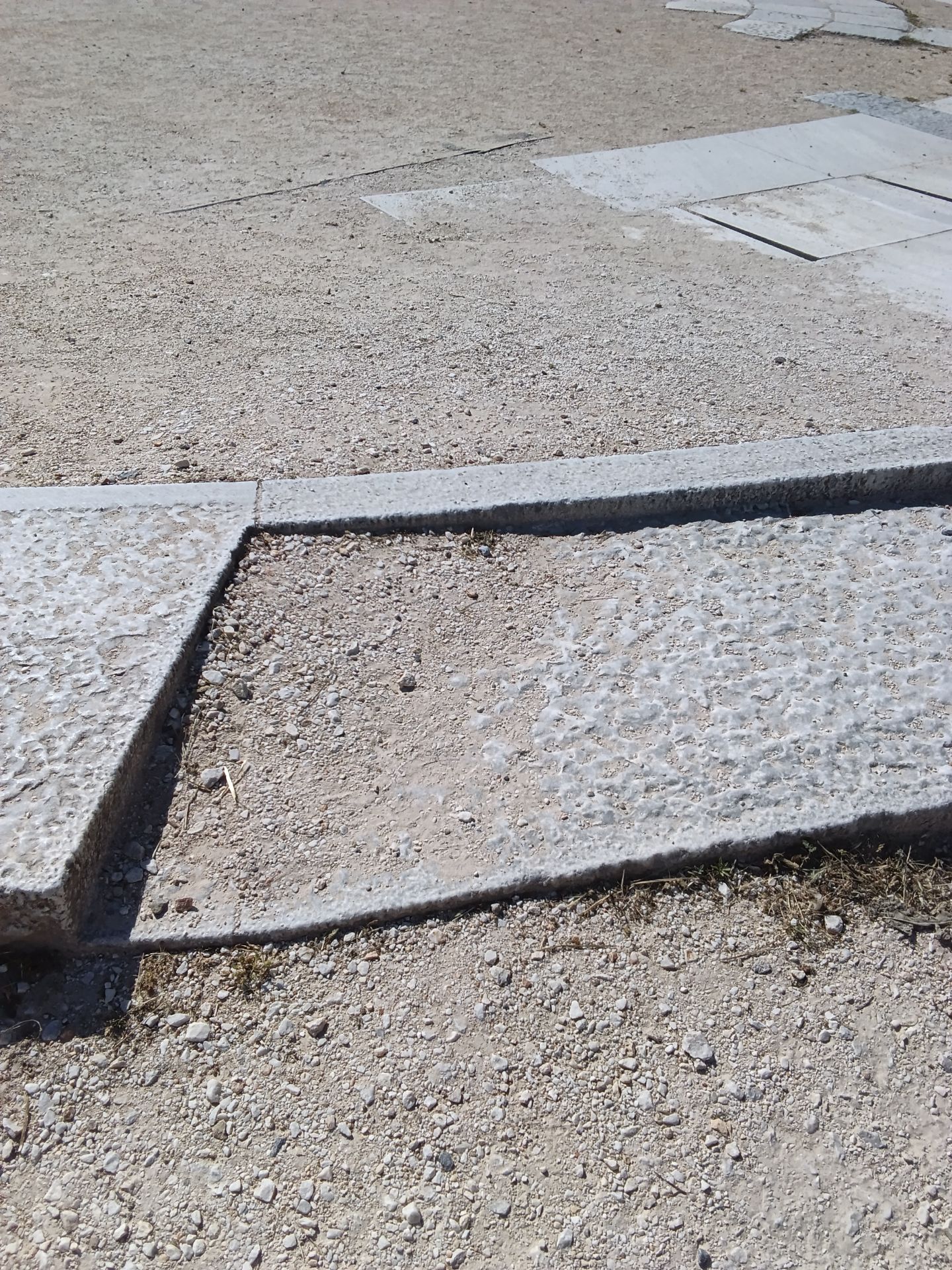
Theater
- Type / category of obstacle
- Intolerable deformations (e.g., with a height greater than 2 cm and less than 4 cm, but without a bevel)
Outdoor route
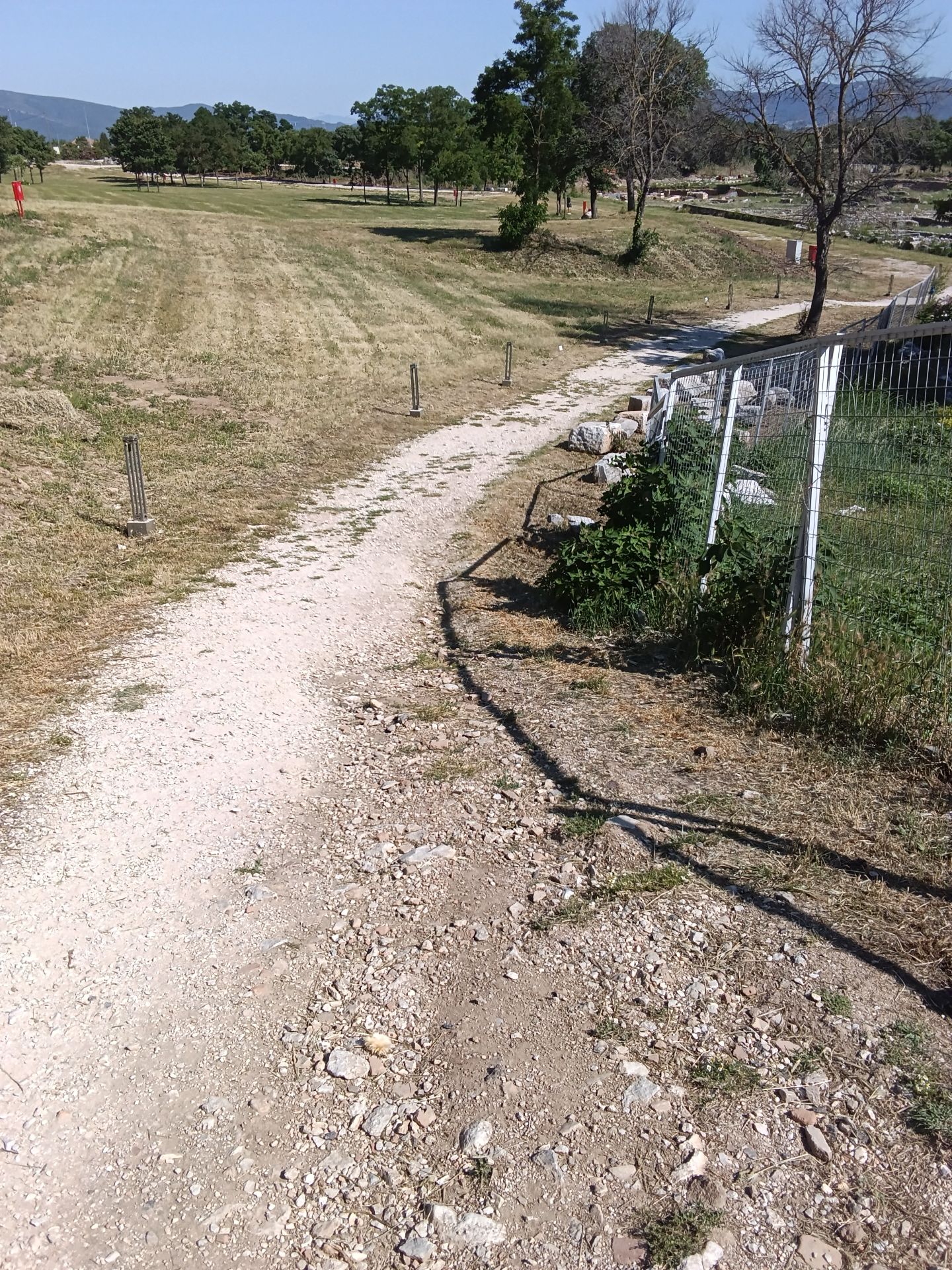
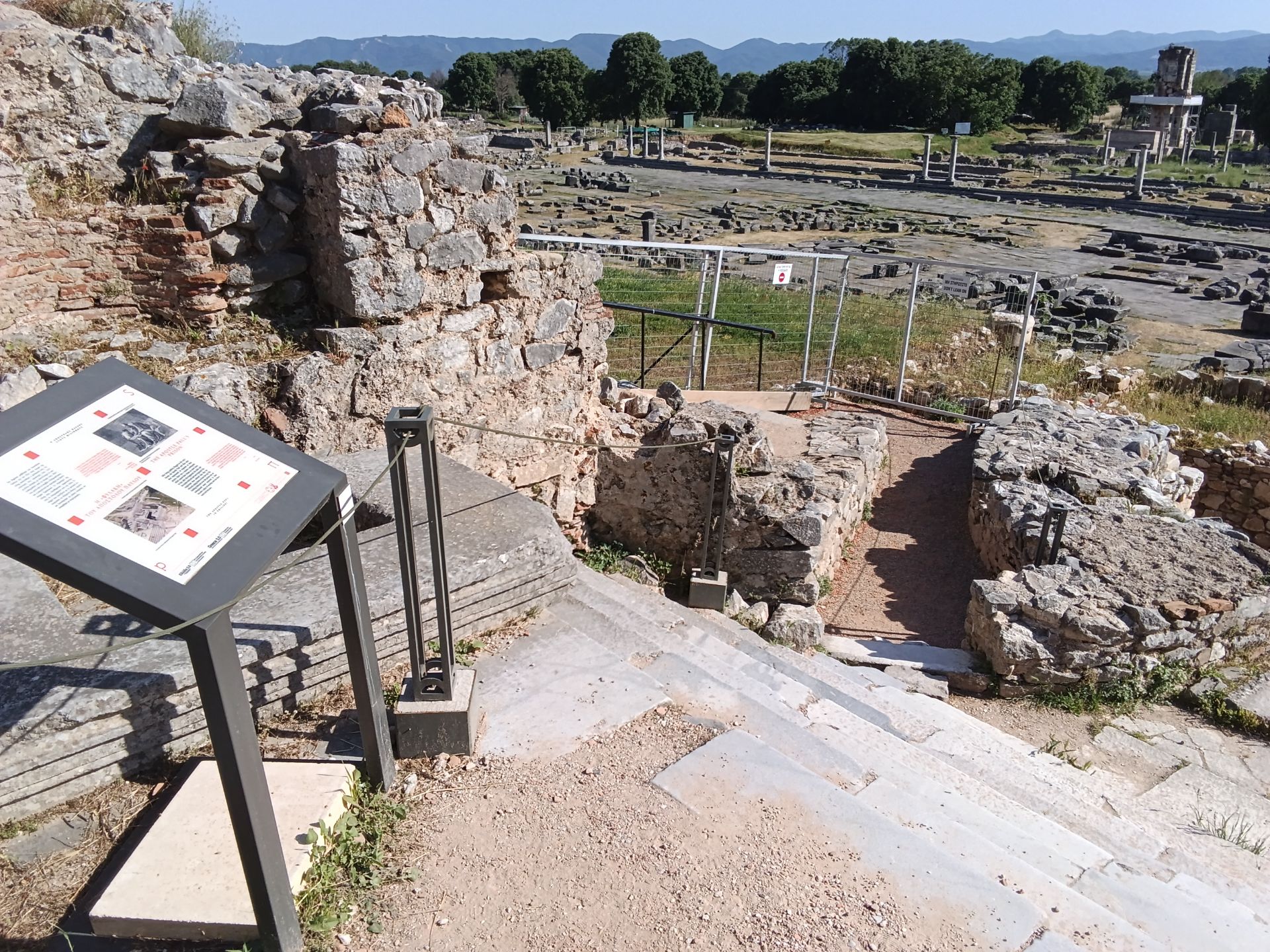
From Basilica A to the Octagon / Roman Forum and then on to the museum Basilica A -> 75 m to the staircase -> 195 m to the wooden steps -> 30 m to the guardhouse below St Paul's prison -> 140 m to the museum entrance Not wheelchair accessible
-
Steep slope after Basilica A towards the Octagon
- Type / category of obstacle
- Slope greater than 5%, i.e. 2.9° (for a length exceeding 10 m)
-
Transverse cuts/gaps dangerous for visitors to trip/hit
- Type / category of obstacle
- Other
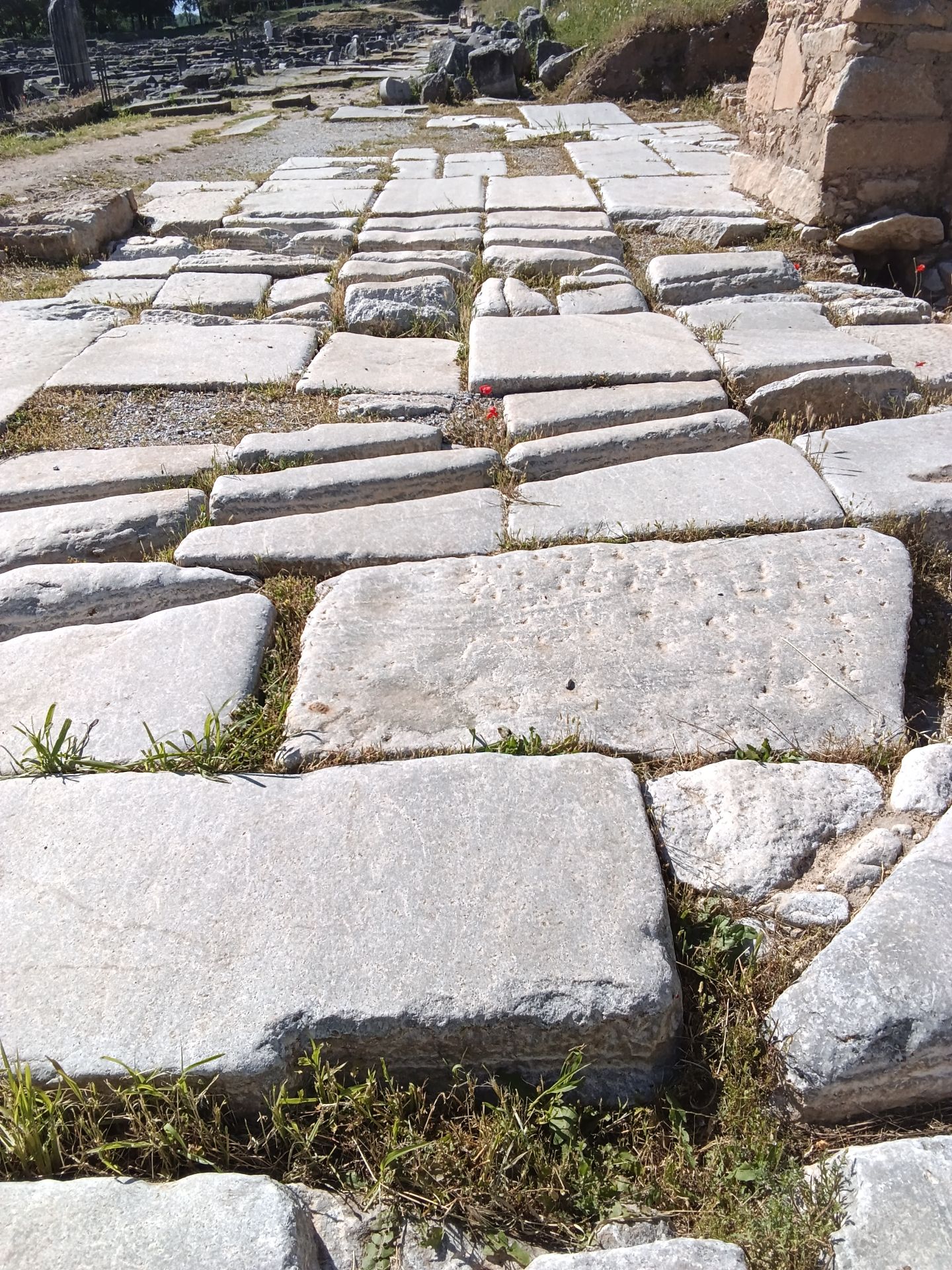
Detailed inspection data
- Accessible WC
- Ramp
Outdoor areas
Drop-off / pick-up
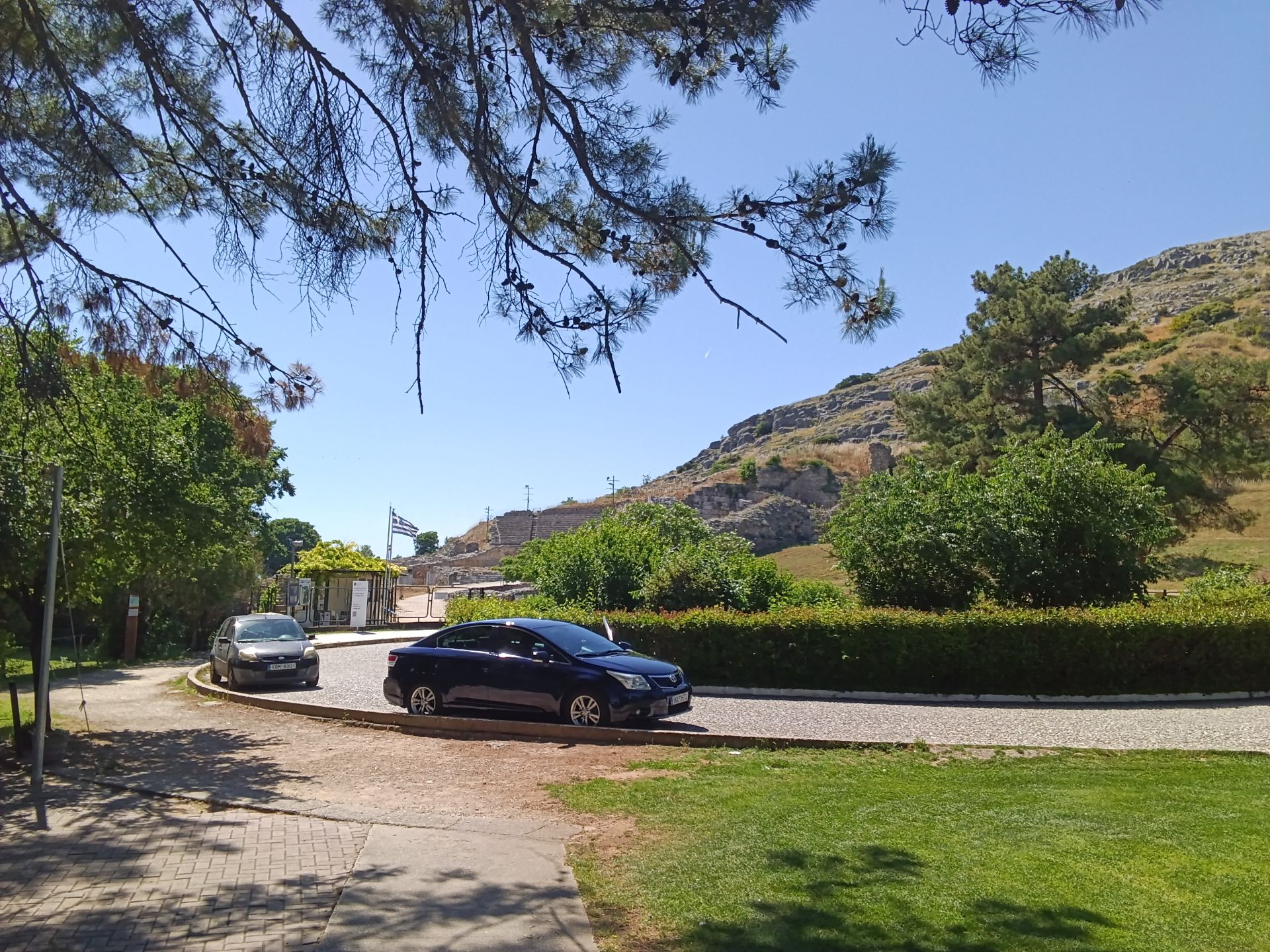
Forecourt
- Average distance
- Less than 150m
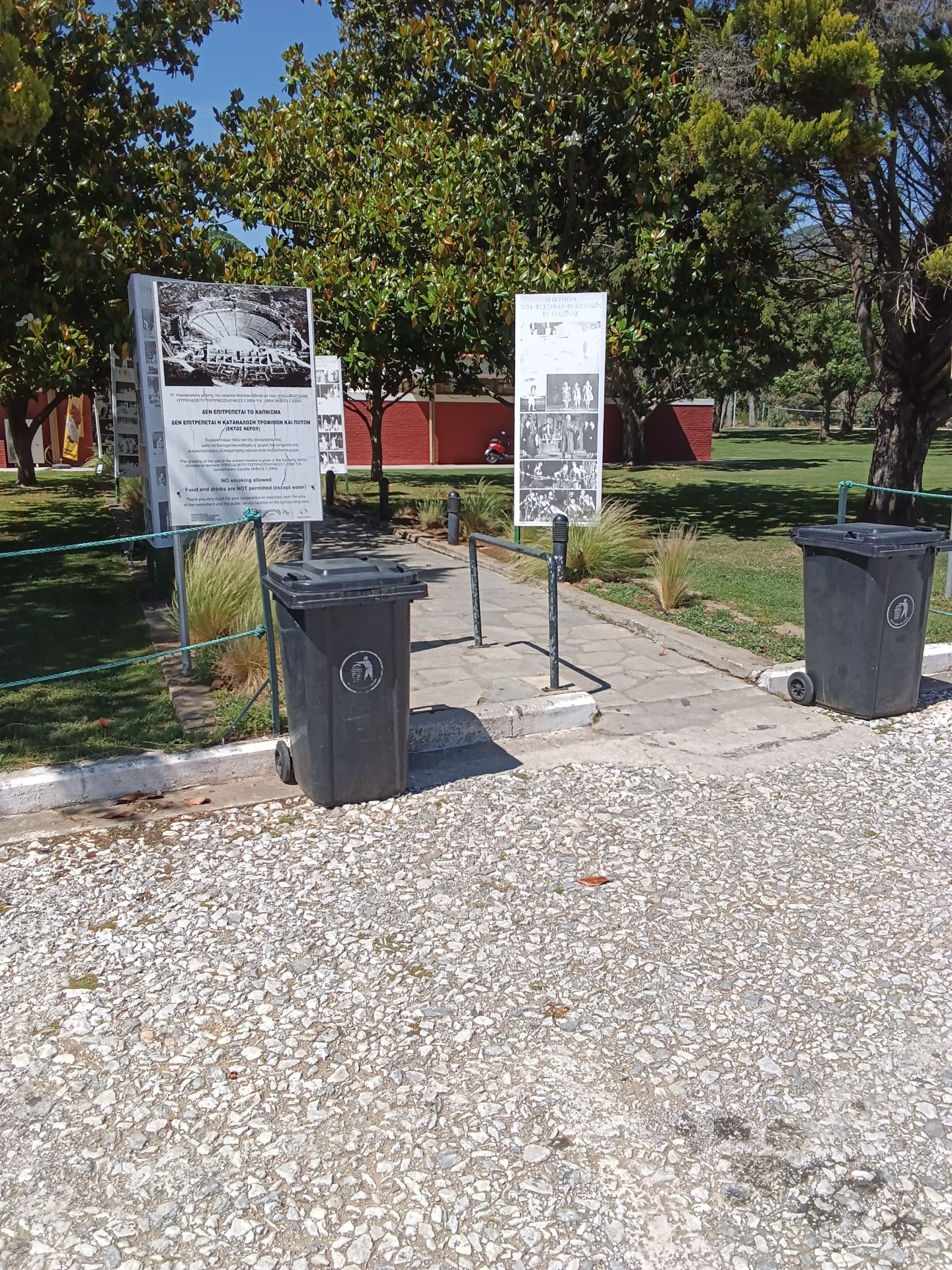
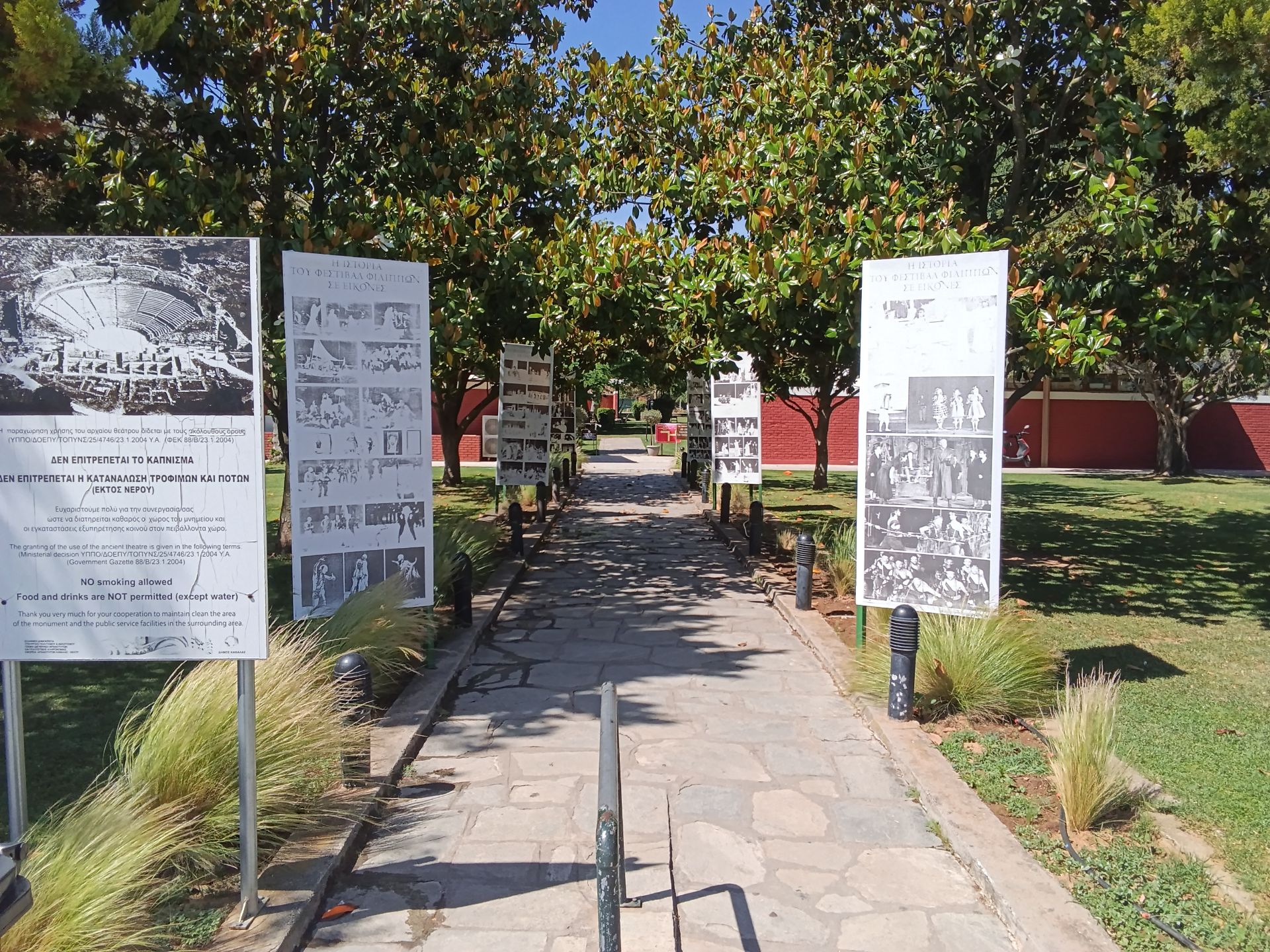
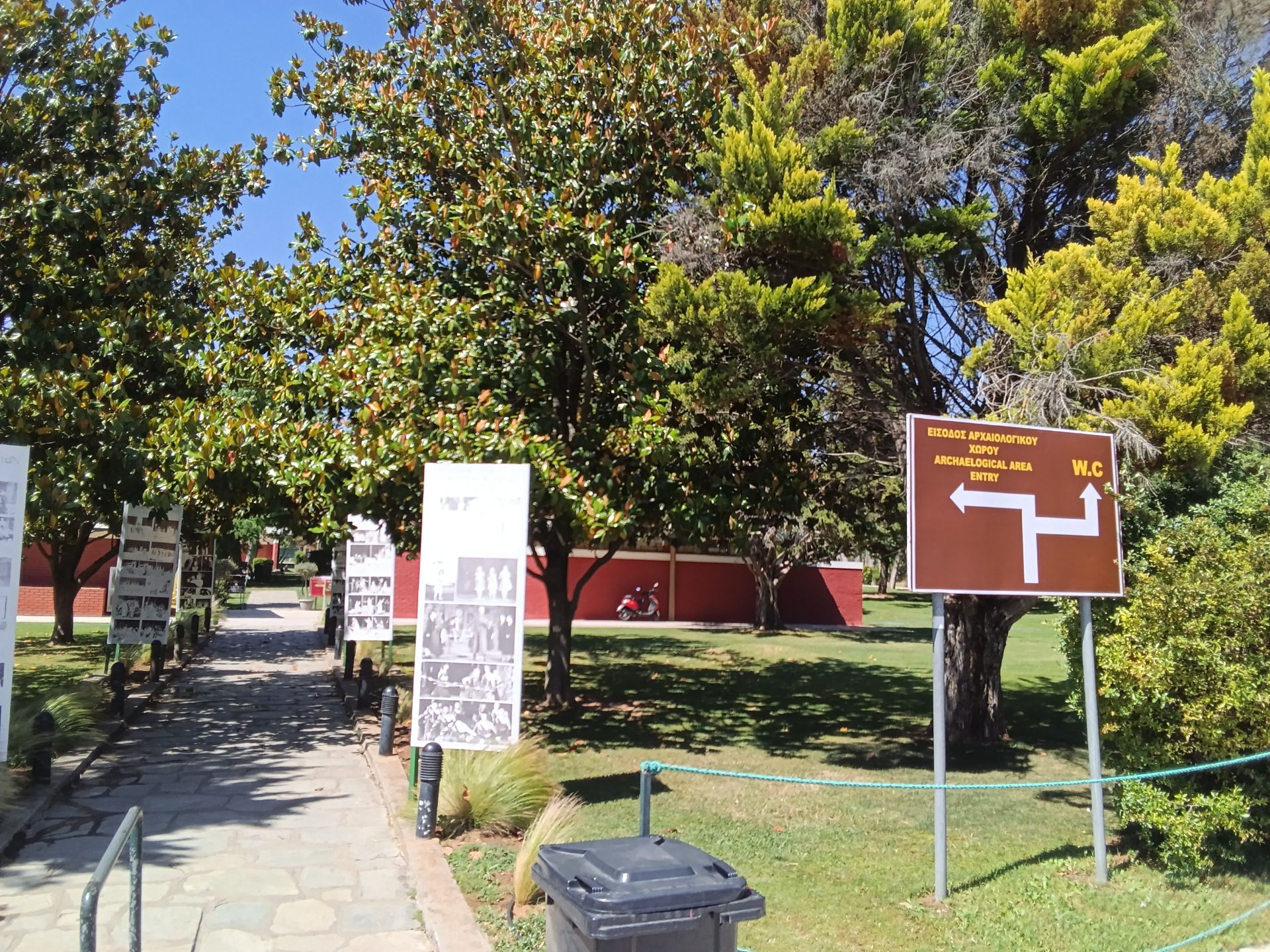
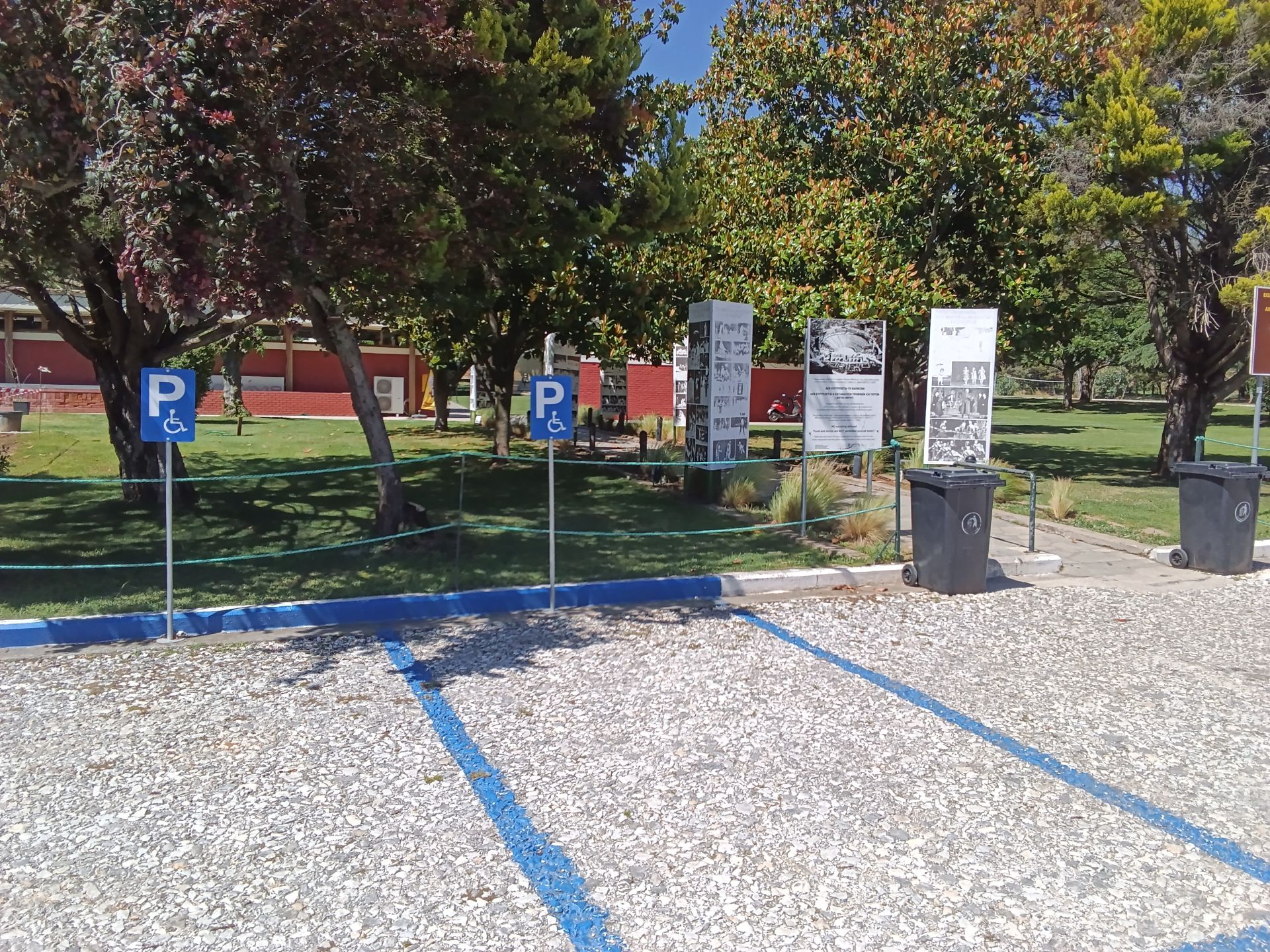
Accessible parking
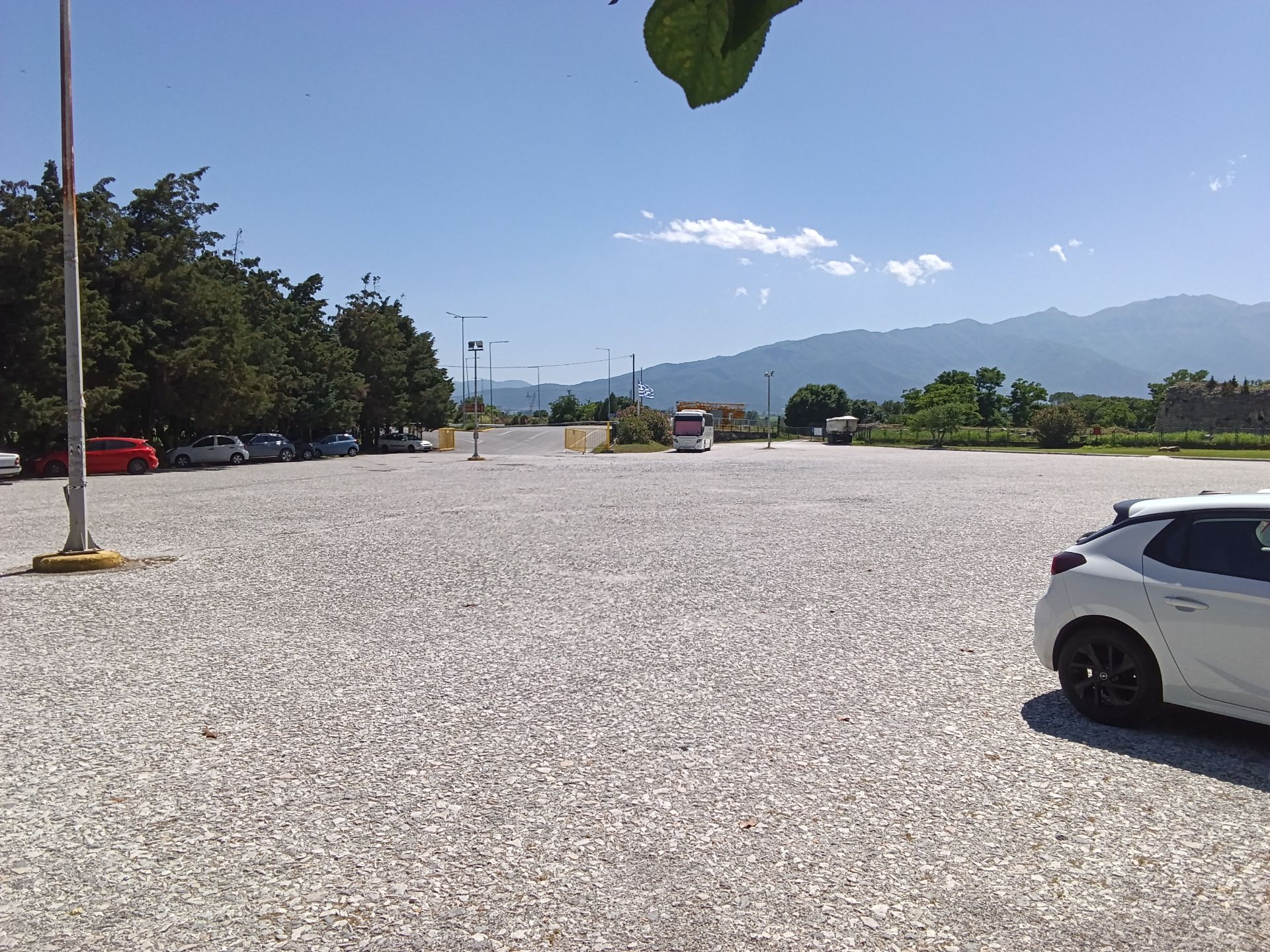
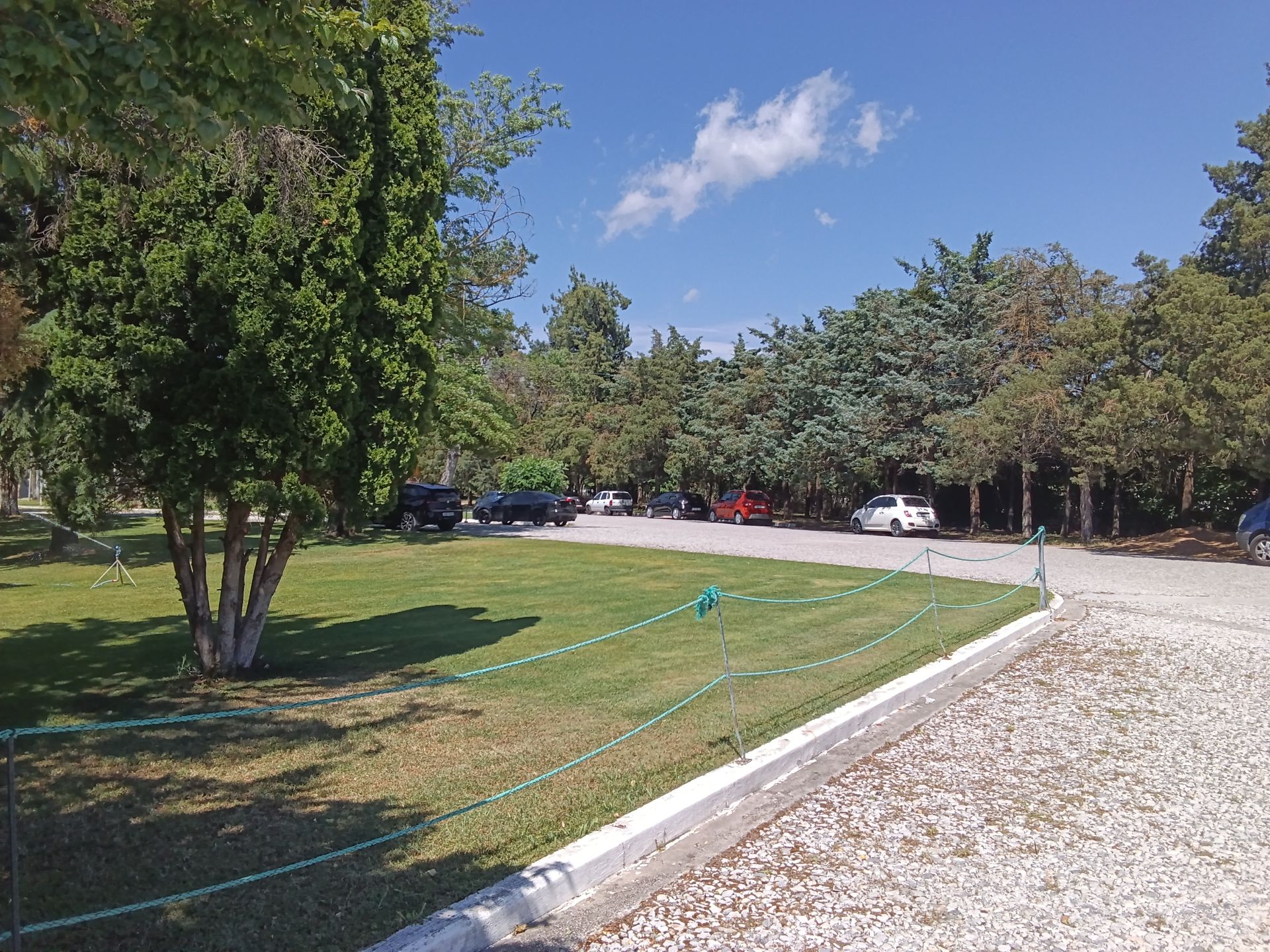
Visitor vehicle parking areas
Infrastructure
Outdoor area
Archaeological site (outdoor exhibition)
- In general, within the site there are visitable areas with staff that the public can contact / interact with
- Yes, but has no briefing or training on serving people with disabilities
- Access to toilet facilities is not an issue?
- Yes
- Is vertical access not an issue?
- No
- Access to separated areas/zones is not an issue?
- Yes
- The interventions to make the space visitable by the public were made…
- Before 1985
- Guide dogs are allowed entry
- Yes
- How many separate entrances/exits does it have?
- 2
- The areas open to the public occupy the following floors / levels
- Ground floor (at ground level), Basement (below ground level)
- There is a special mobility/transport service for people with disabilities
- No
- Overall, the corridors and circulation routes have clear widths
- Over 120 cm
- An automatic guide system is used and its design ensures accessibility for...
- Deaf people / sign language users, Blind people
- Guide dogs are accepted and staff understand that they should not interact with the dog
- Yes
- Audiovisual media are used and their design ensures accessibility for...
- None
- Is there posted and/or available informational material provided to the public?
- Yes
- Digital stations are used
- None
- Exhibits are also available in tactile form for blind people
- There are specific originals that may be touched
- Educational/informational activities, screenings and/or live presentations are organized in spaces and with a design that ensures accessibility for...
- Wheelchair users
- There are exhibits or other objects hung in a way that is dangerous for people with visual disabilities
- No
- (If available) The posted and/or distributed informational material is also available in alternative/accessible formats
- Other
- The signs, labels, exhibit captions, etc. are accompanied by equivalent alternative formats/solutions for people with visual disabilities
- No
- There are areas/levels with exhibits that meet the appropriate specifications for wheelchair access
- Yes
- Are there public toilets/WC nearby?
- None
- Guide dogs are accepted and staff understand that they should not interact with the dog
- Yes
- A sound system is installed
- No
- Is unobstructed access to the stage ensured for people using a wheelchair or with walking difficulty?
- Yes
- Is there posted and/or available informational material provided to the public?
- Yes
- Is wheelchair access ensured?
- Yes
- Not all public-accessible spaces/levels are accessible/friendly for...
- People with walking difficulty, People with vision disabilities, Wheelchair users
- Service
- No service / interaction with staff
- Is it possible to locate and move unobstructed from the entrance to the points where wheelchair users can stand/watch?
- Yes
Outdoor entrance / exit
Main public
Outdoor area
Forecourt
- Access to toilet facilities is not an issue?
- No
- There are toilets for the public on site but no accessible toilet for people with disabilities
- Yes
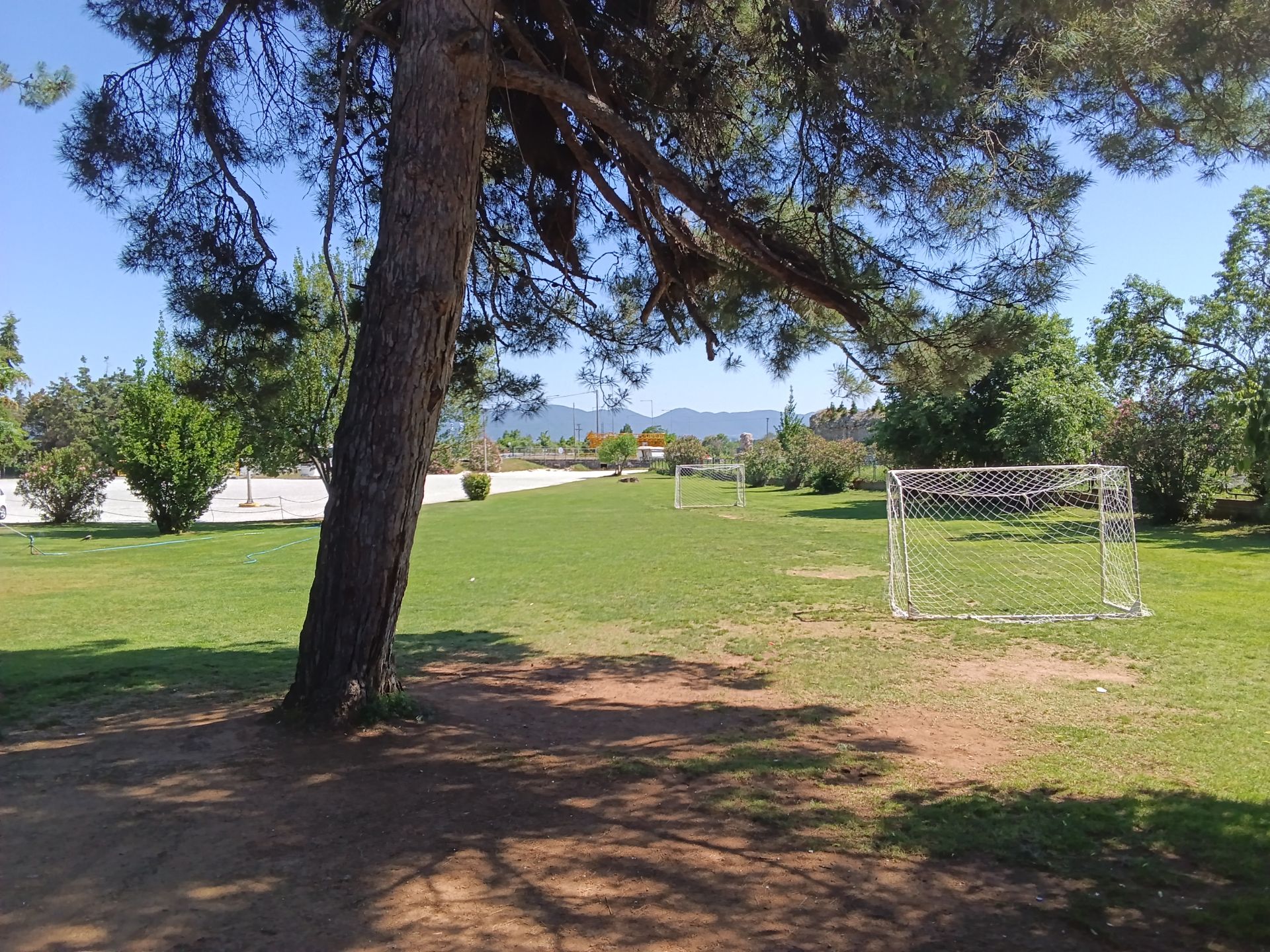
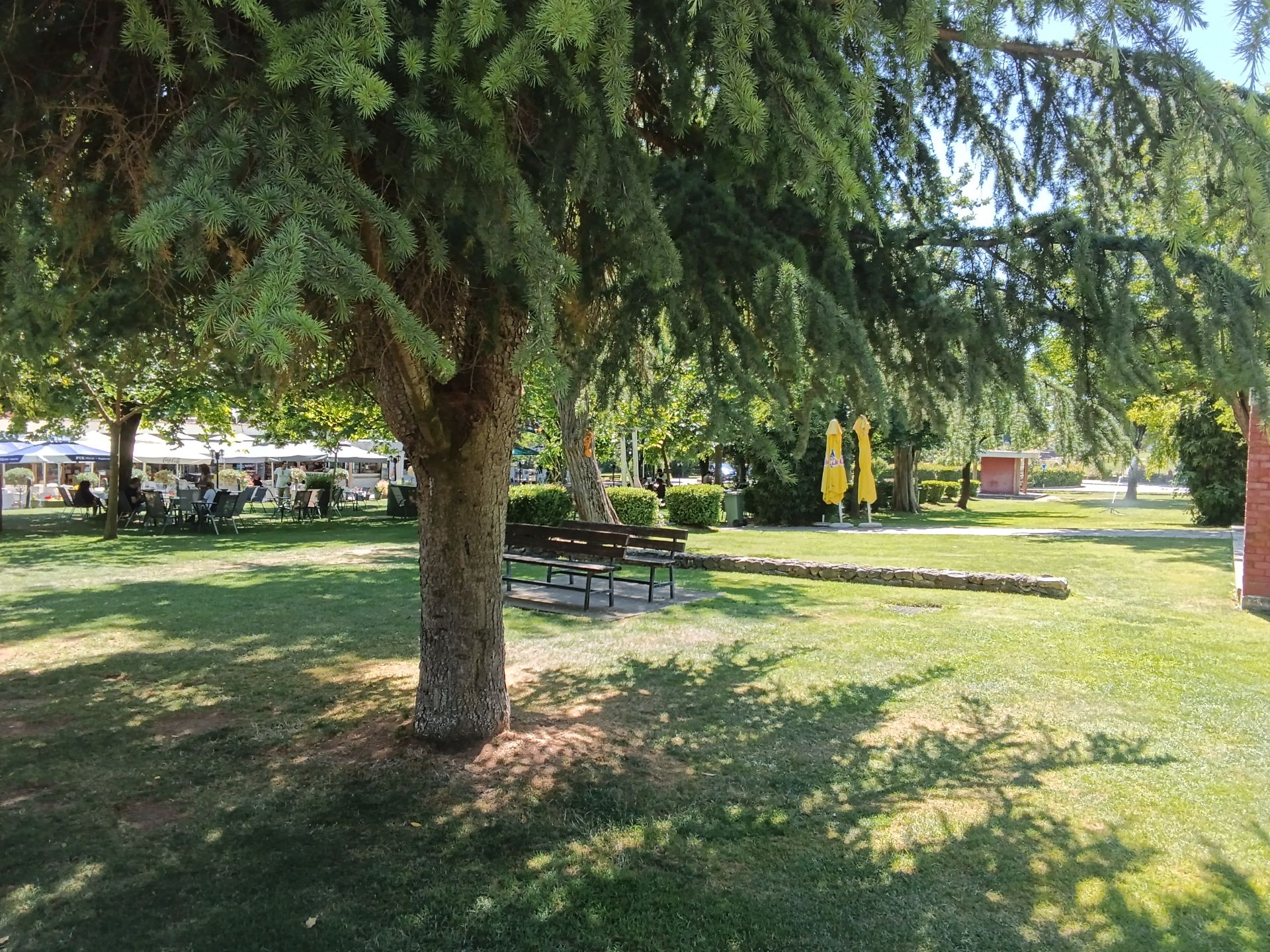
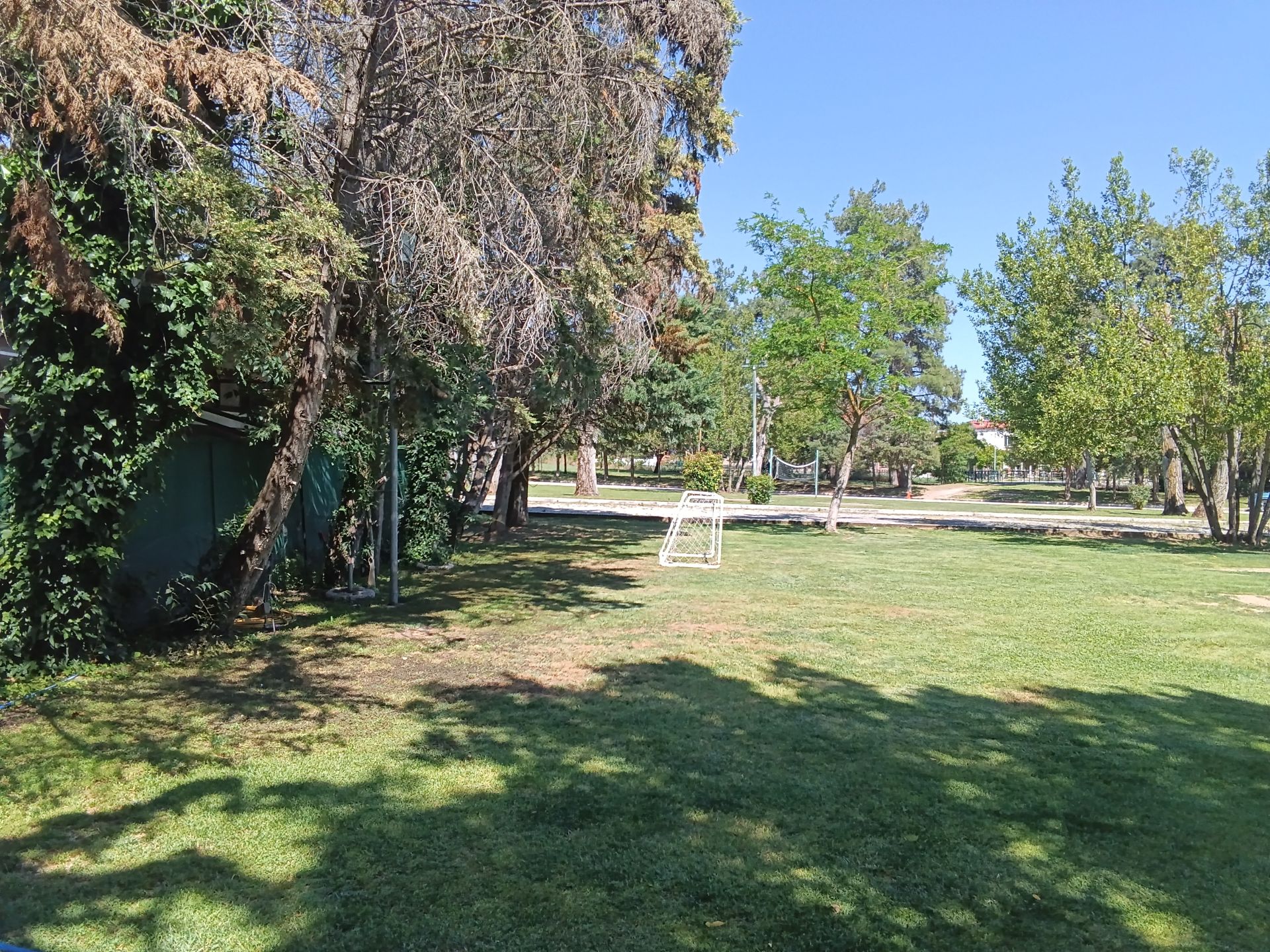
Outdoor entrance / exit
Entrance to the forecourt area
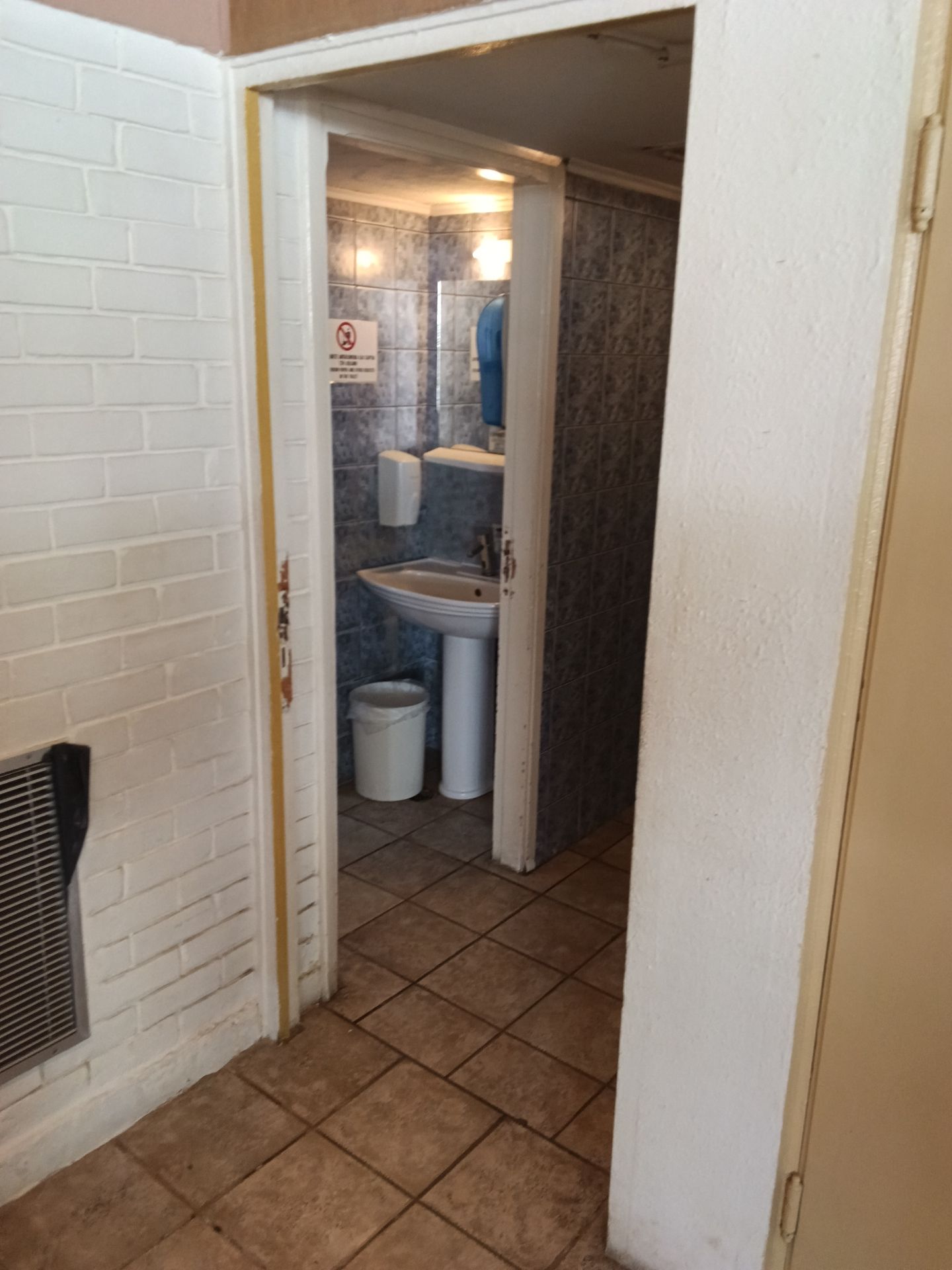
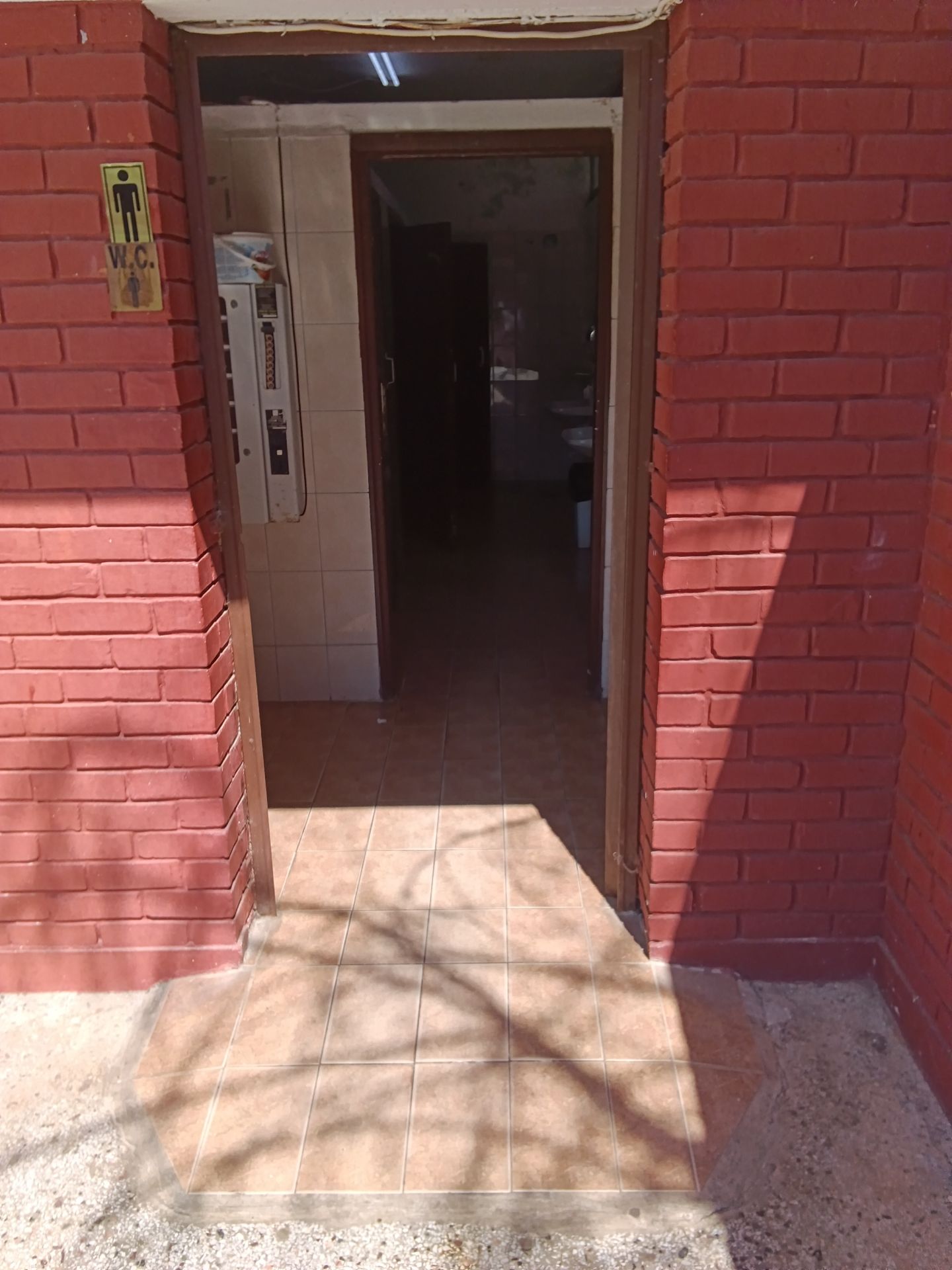
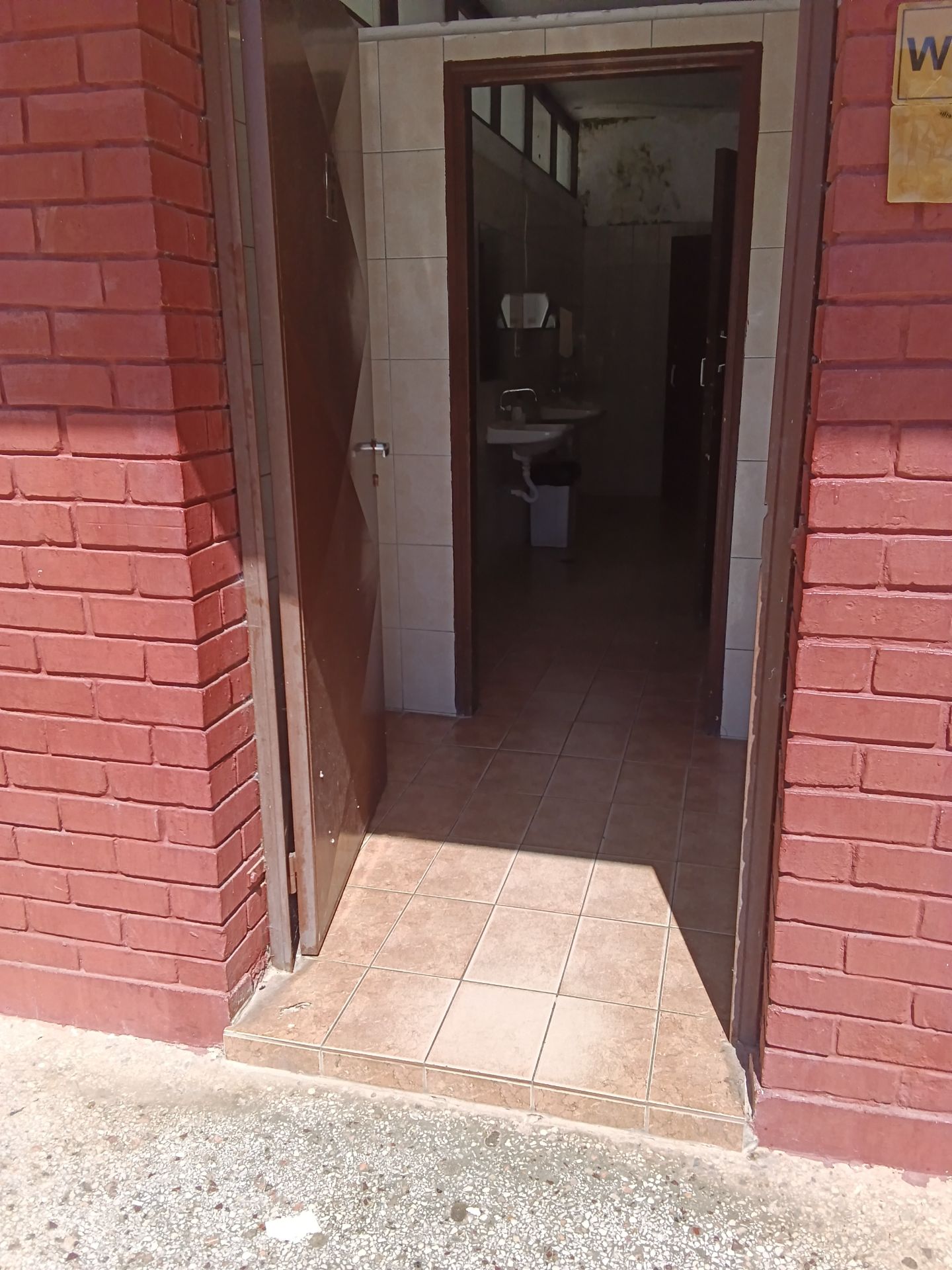
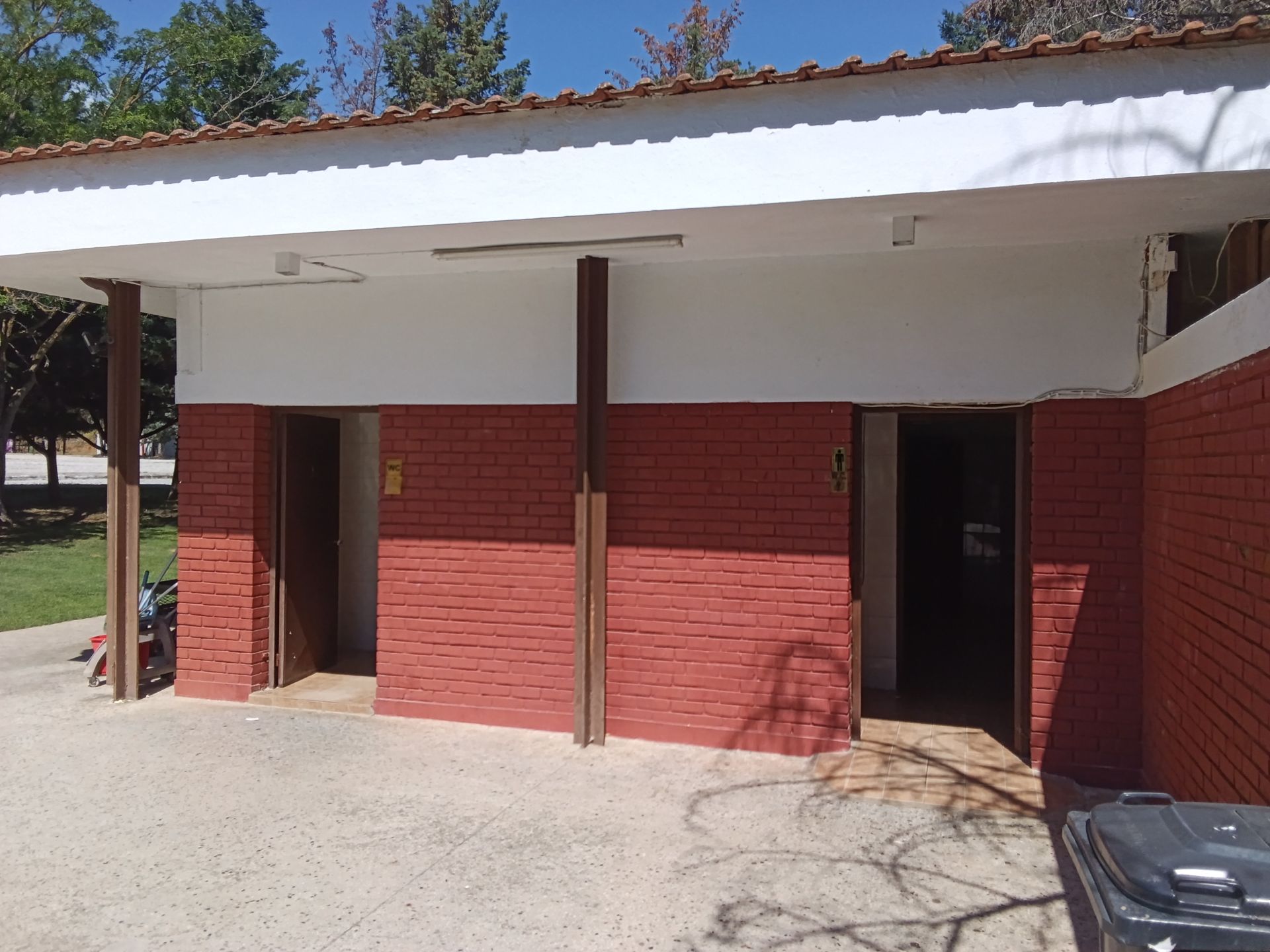
Restroom (WC)
Public toilet
- Includes..
- Space with toilet bowl, Anteroom with washbasin(s)
- Is it easily identifiable?
- Yes
- Is it a standards-compliant accessible toilet?
- No
- Can it be used only at specific times?
- Yes (provide details)
- Is it…
- Free
- Is it…
- Exterior
- Is wheelchair access ensured?
- Yes
- Is it…
- Men and women separate
- Is it…
- Entrance unobstructed
Outdoor routes
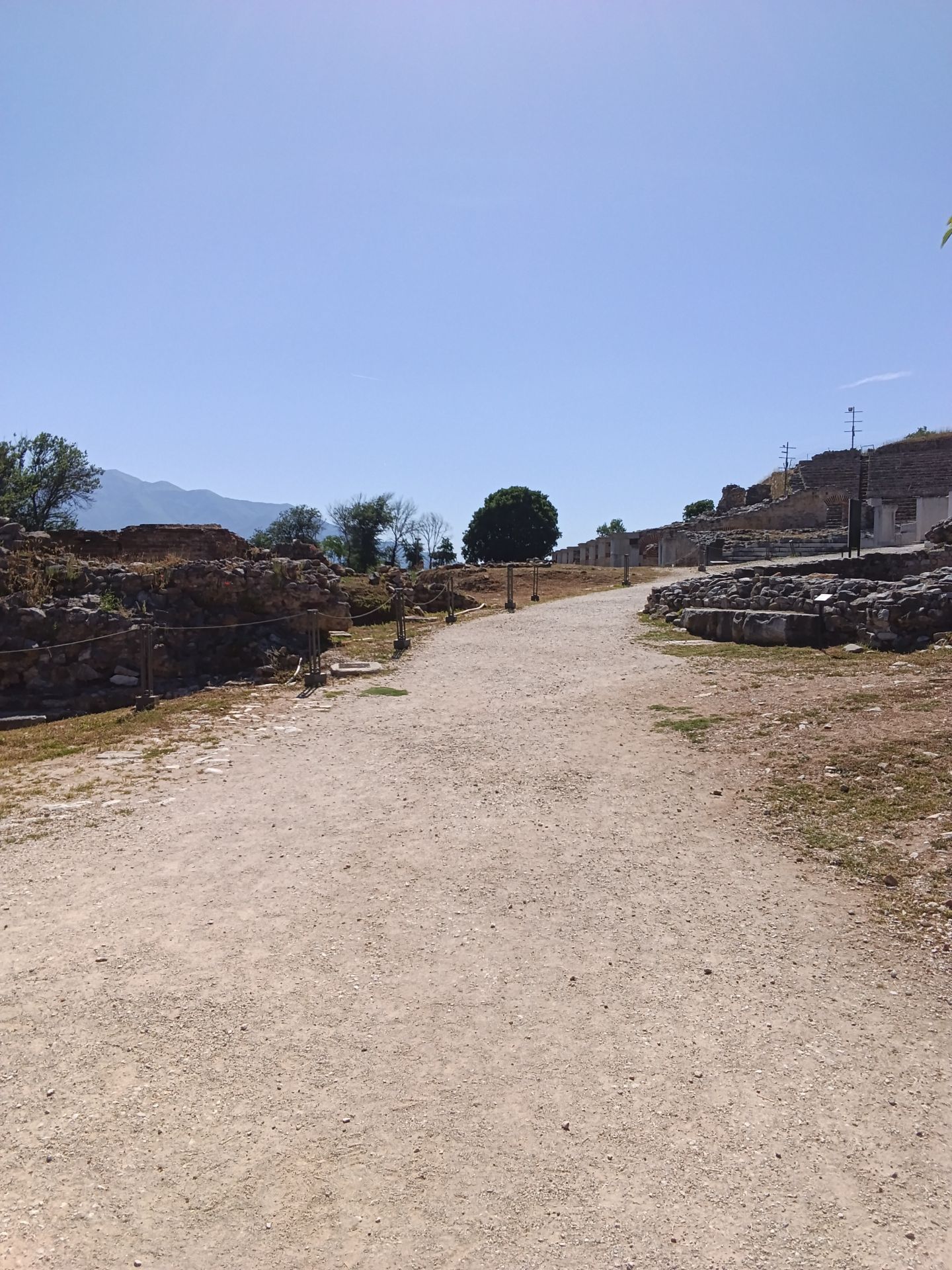
Outdoor route
From the entrance to the Ancient theatre and then on to Basilica A. Ticket office -> 85 m -> Ancient theatre -> 175 m -> Basilica A
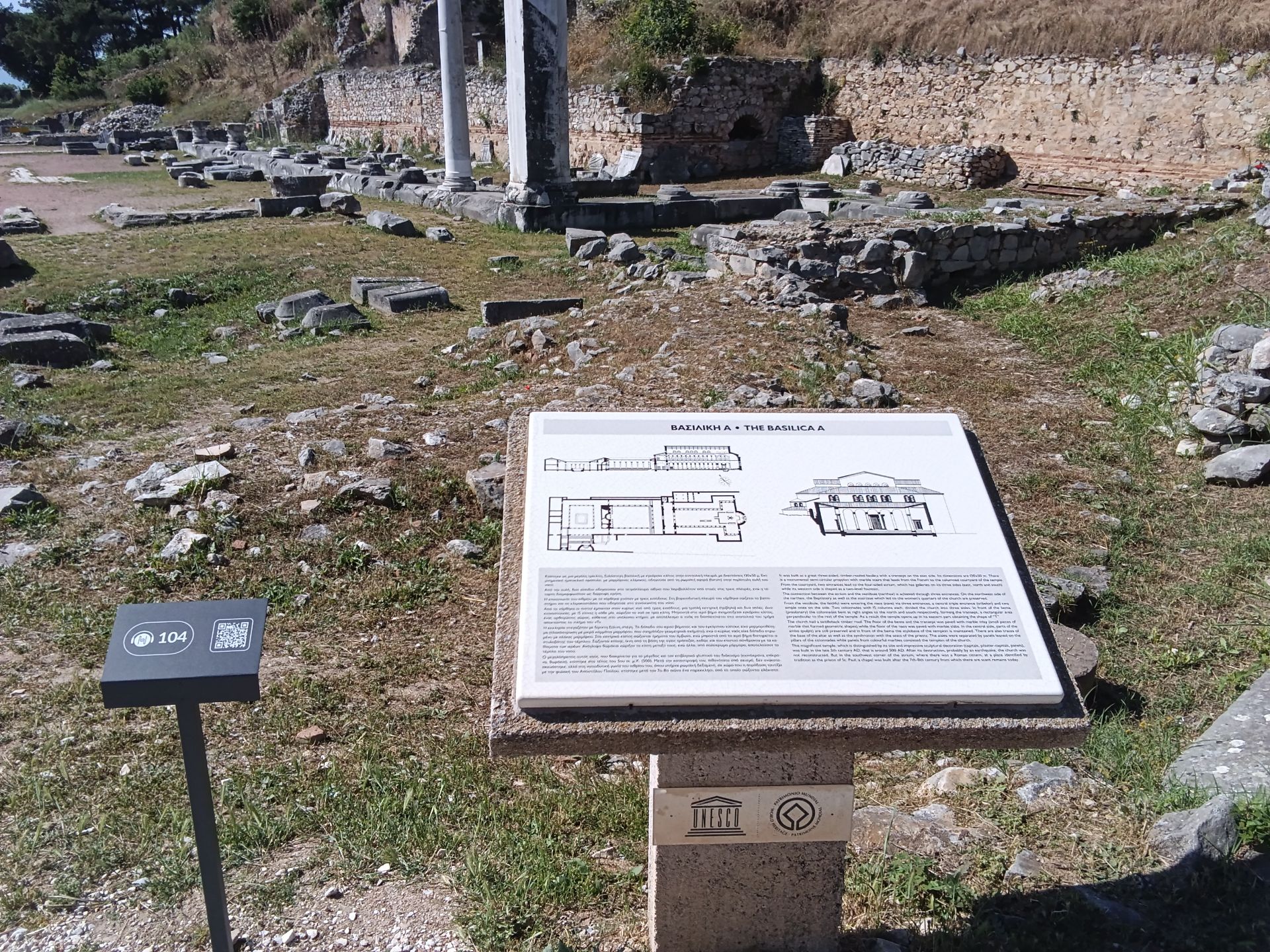
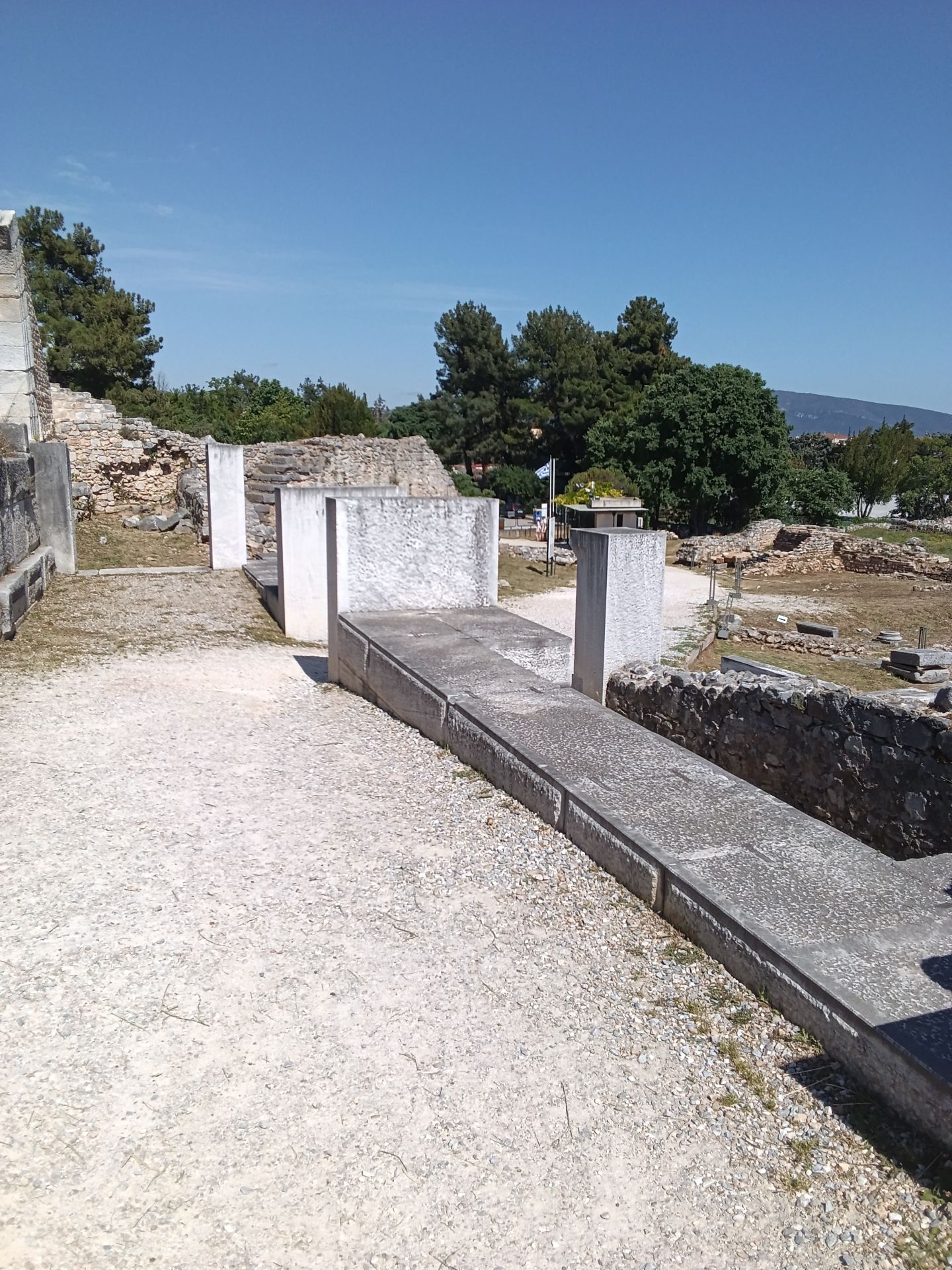
Barriers to be aware of (2)
Obstacle
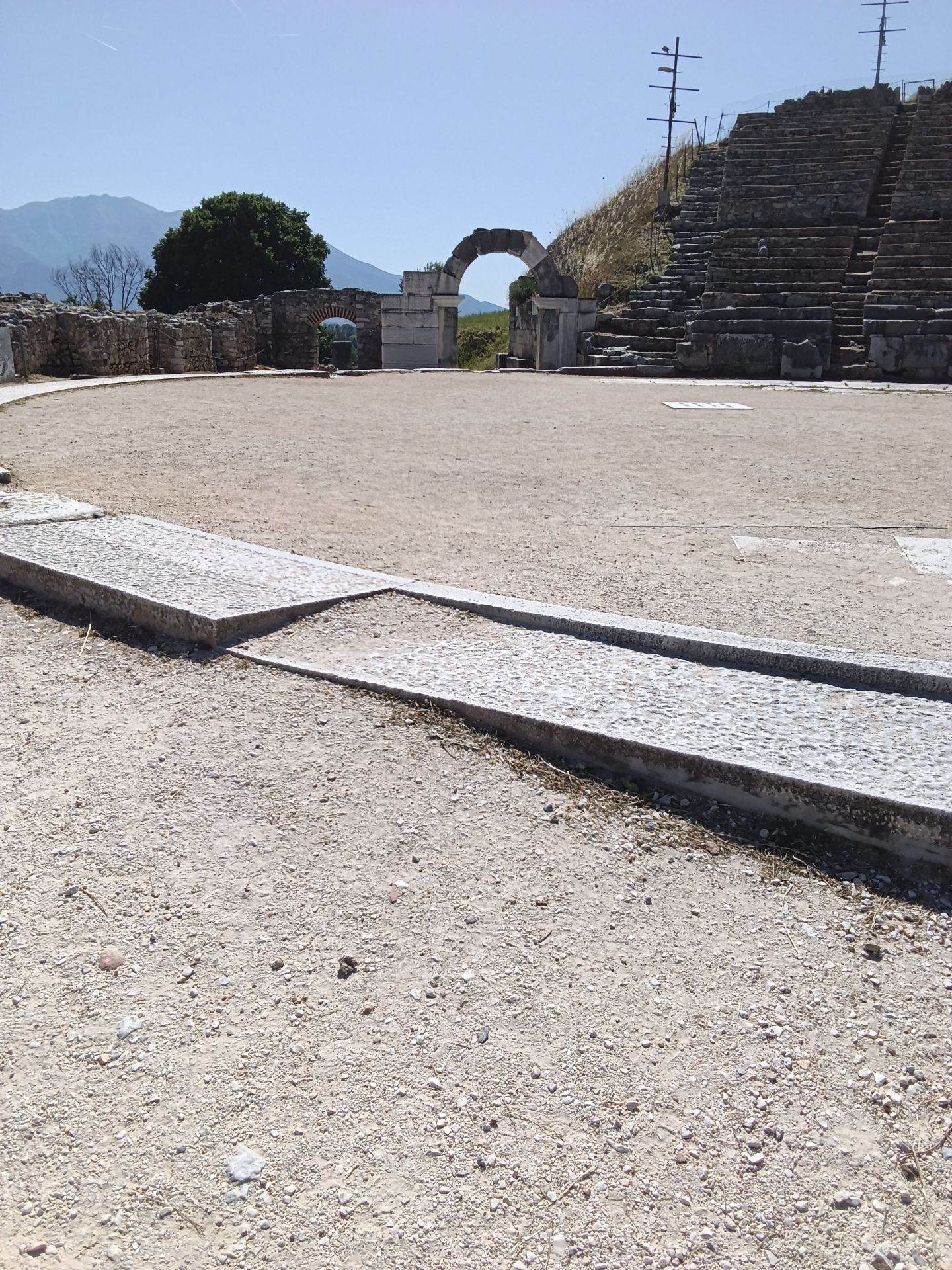
Theater
- Type / category of obstacle
- Narrowing (permanent) with a minimum opening of less than 90 cm.
Obstacle
Theater
- Type / category of obstacle
- Intolerable deformations (e.g., with a height greater than 2 cm and less than 4 cm, but without a bevel)
Outdoor route
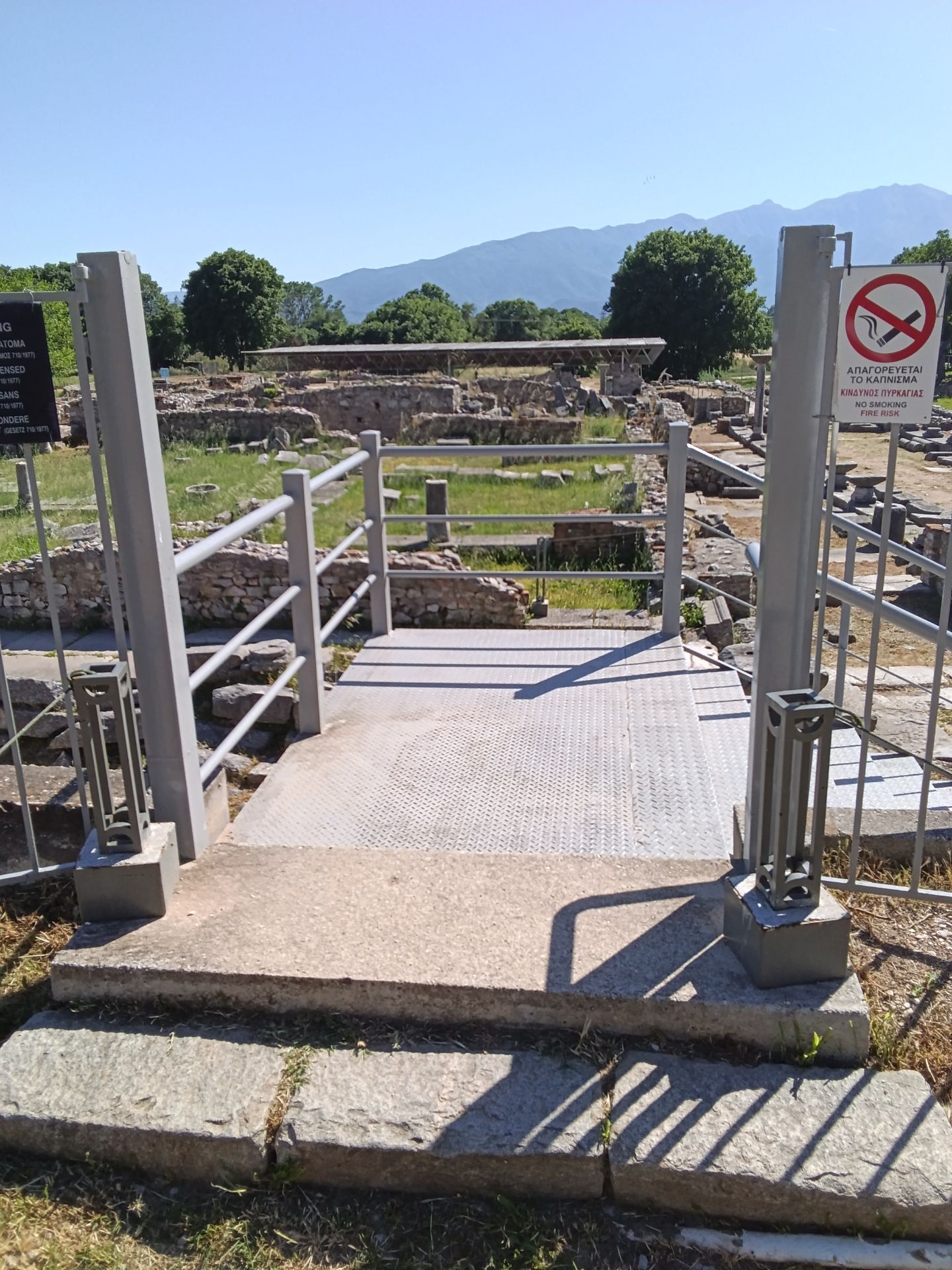
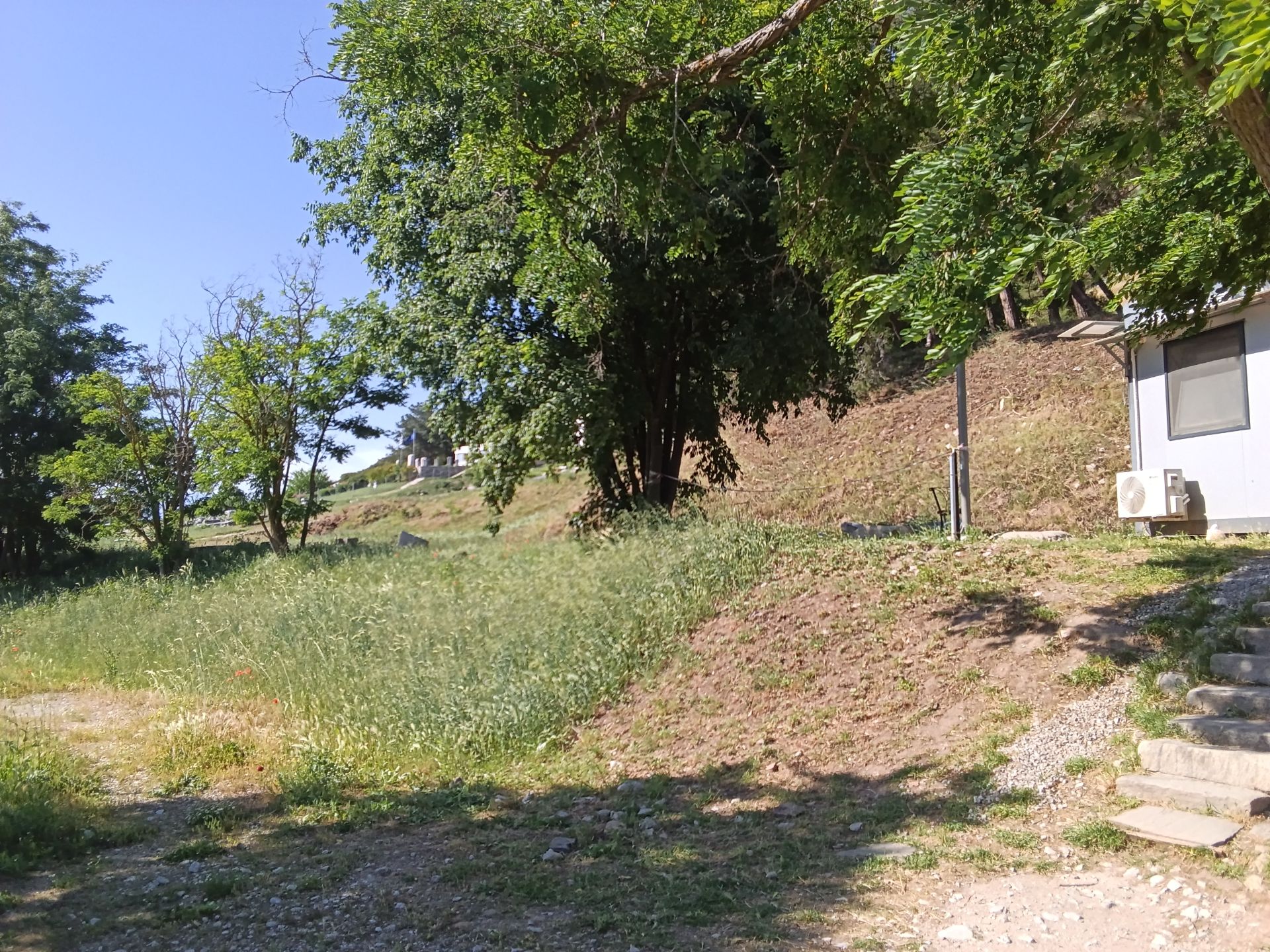
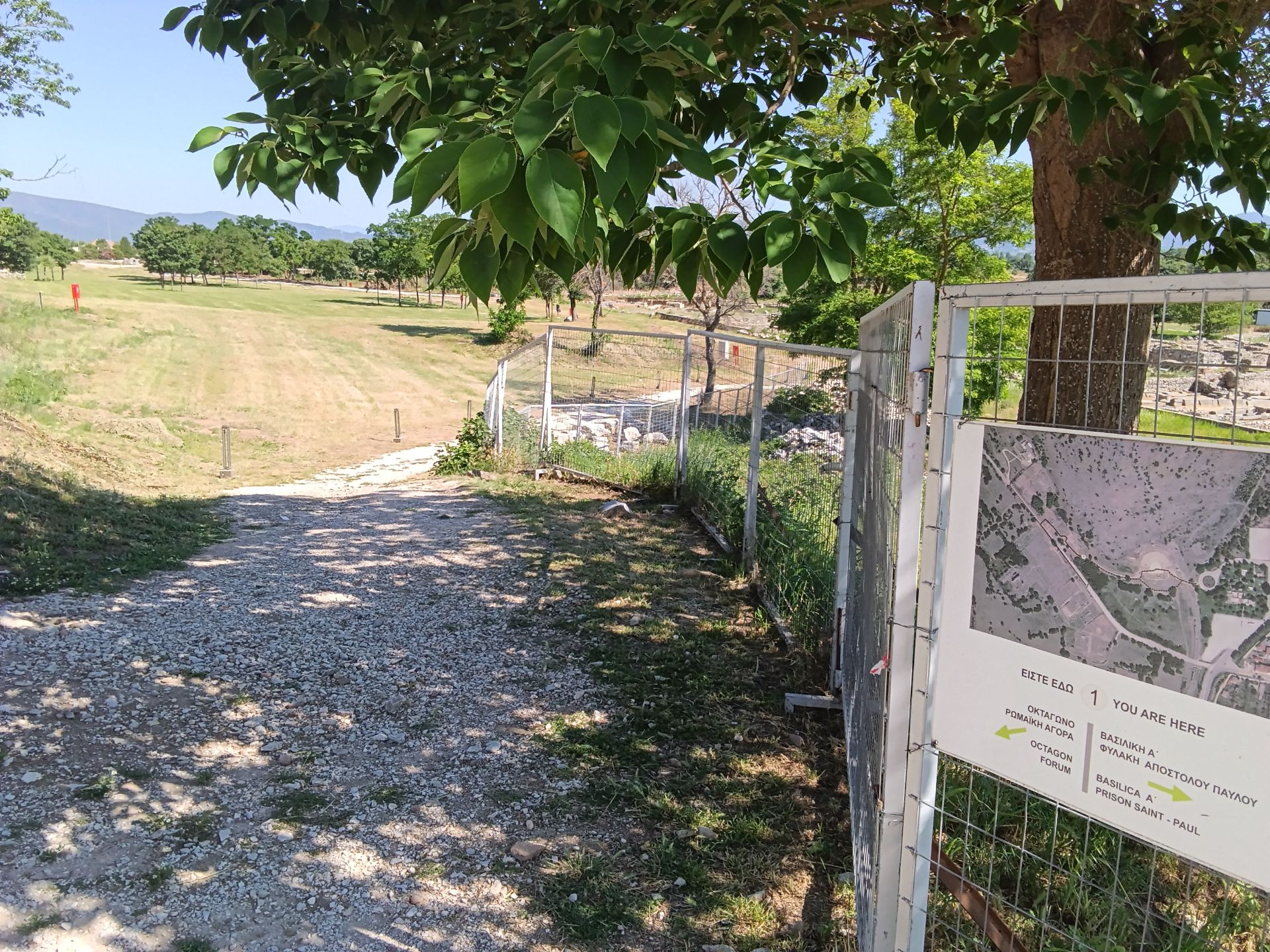
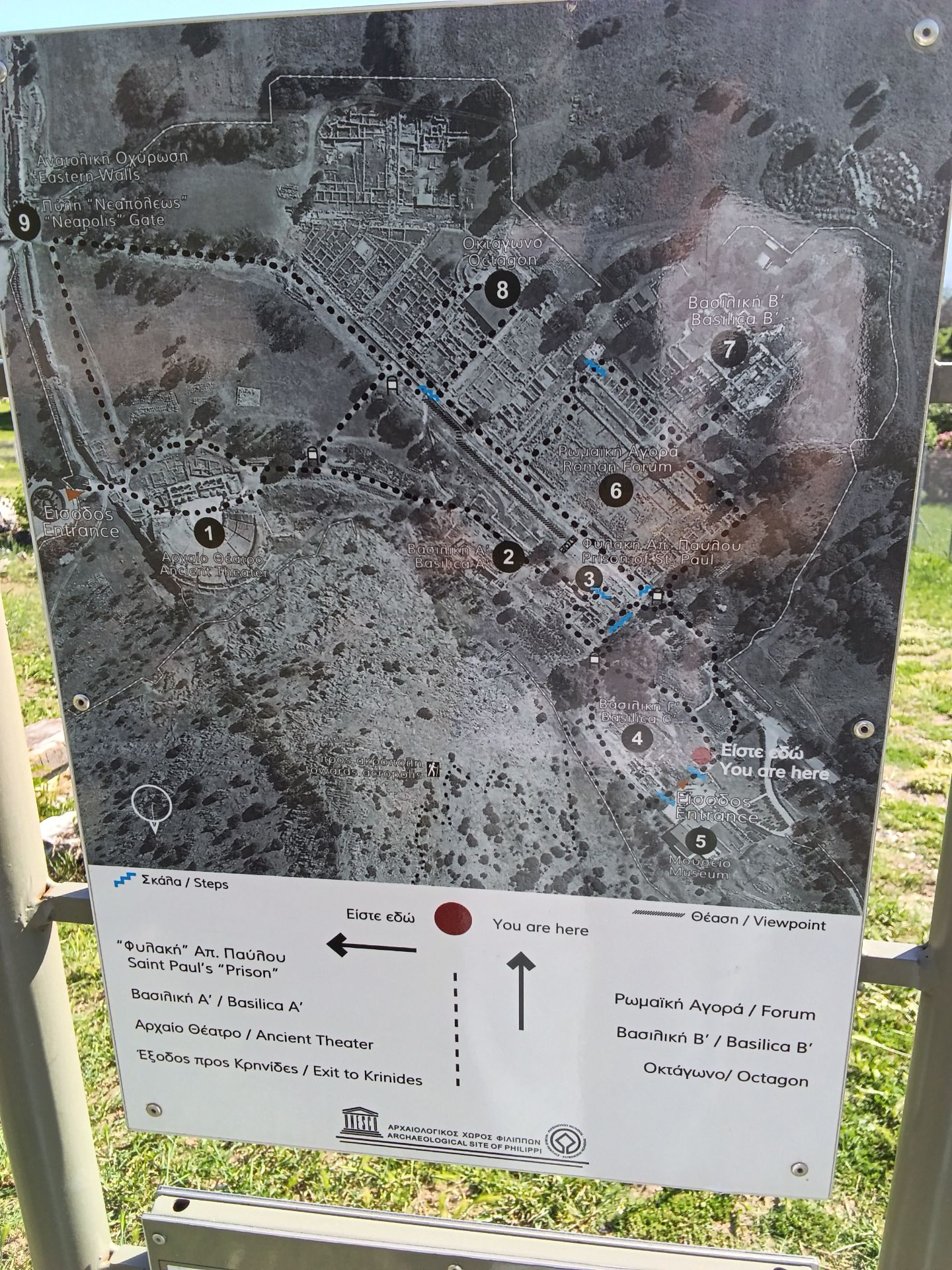
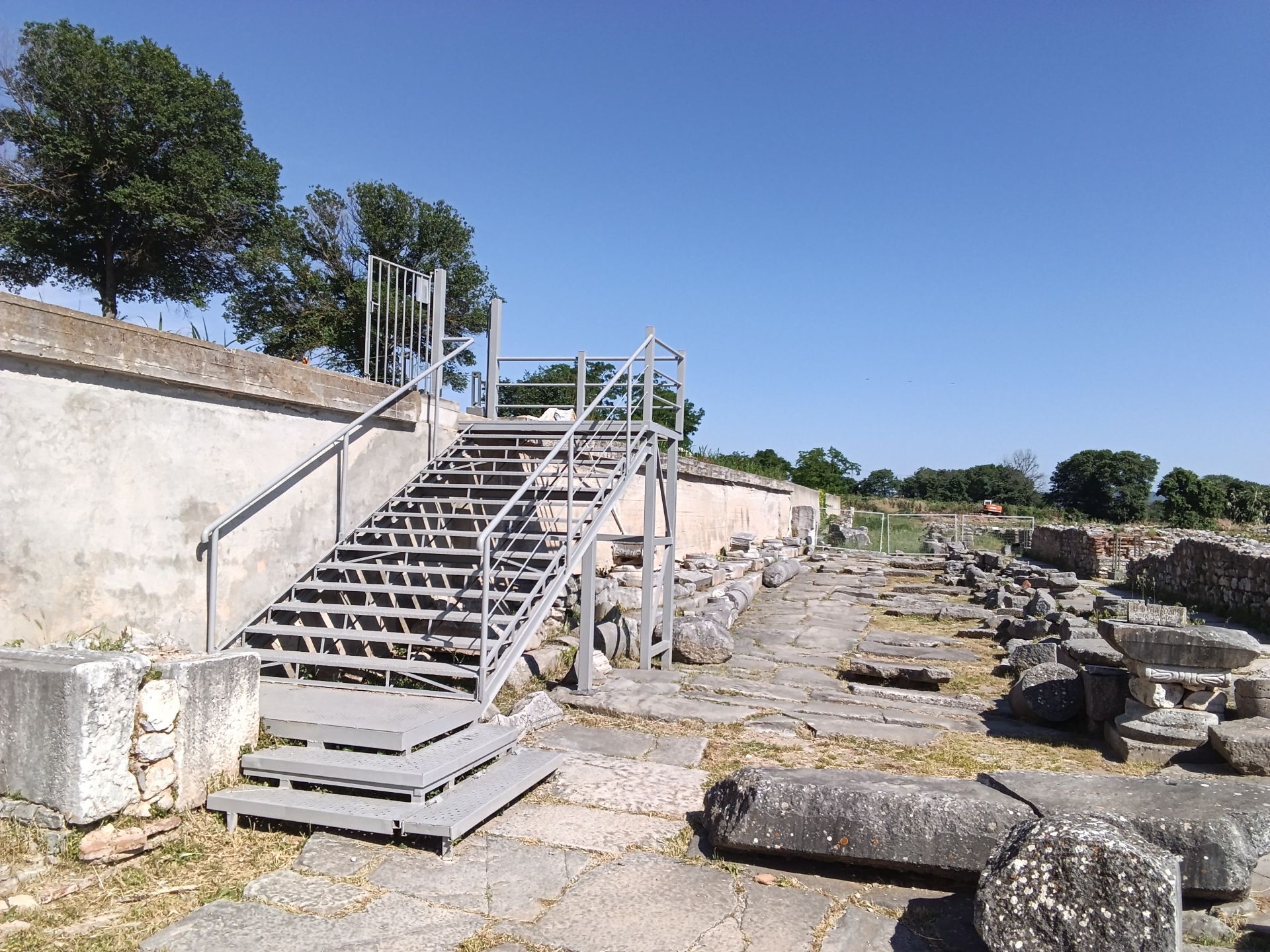
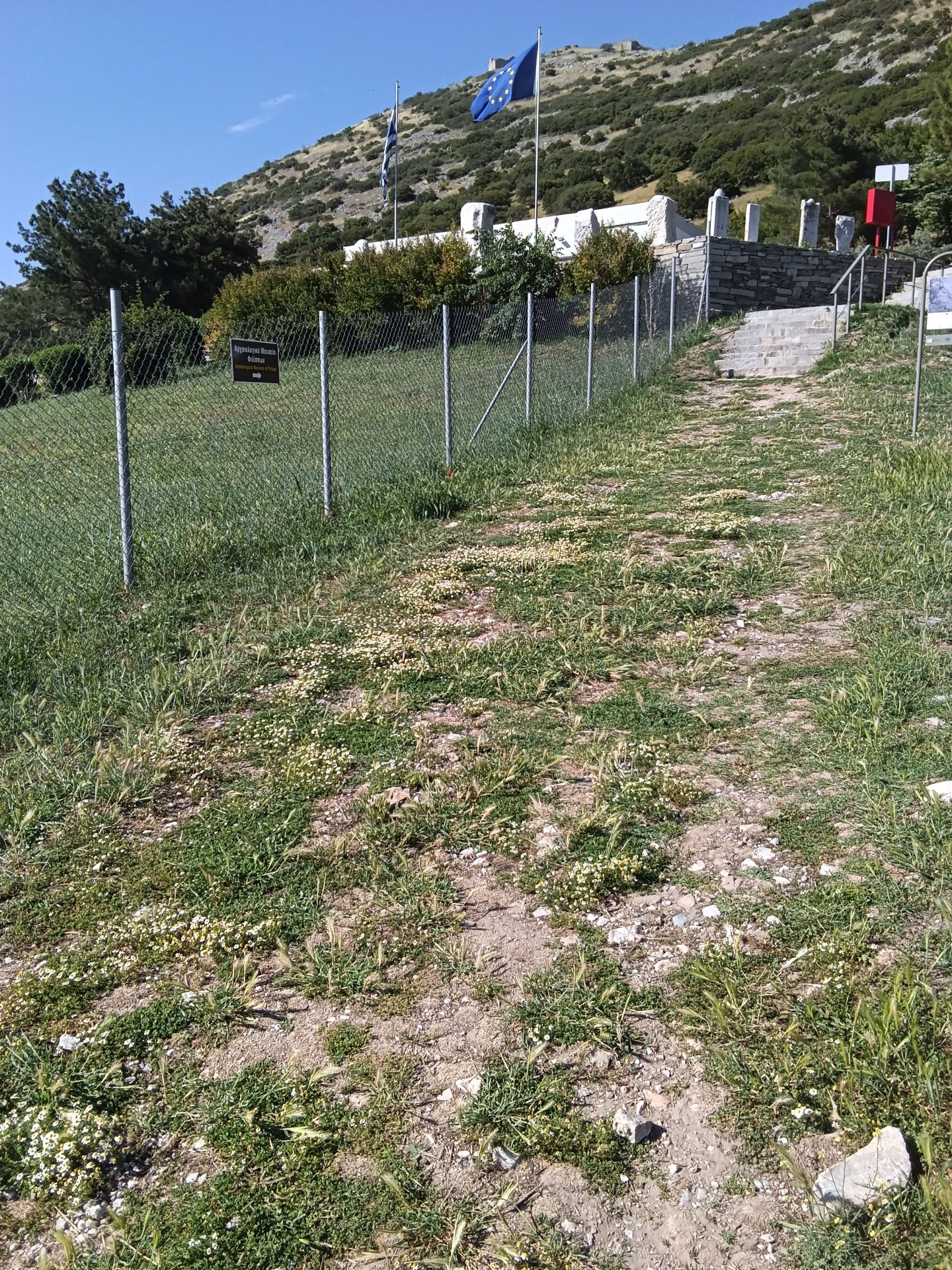
From Basilica A to the Octagon / Roman Forum and then on to the museum Basilica A -> 75 m to the staircase -> 195 m to the wooden steps -> 30 m to the guardhouse below St Paul's prison -> 140 m to the museum entrance Not wheelchair accessible
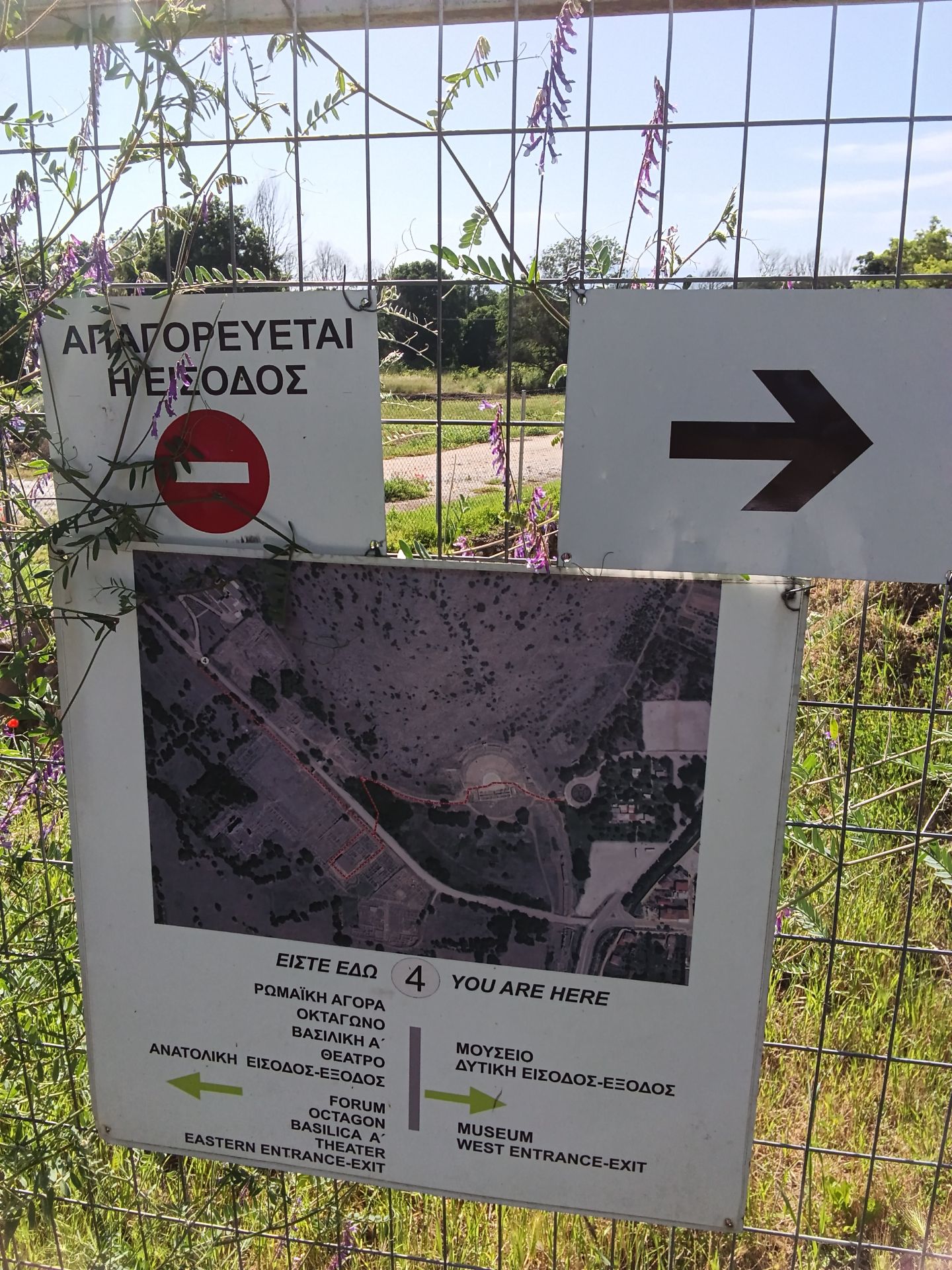
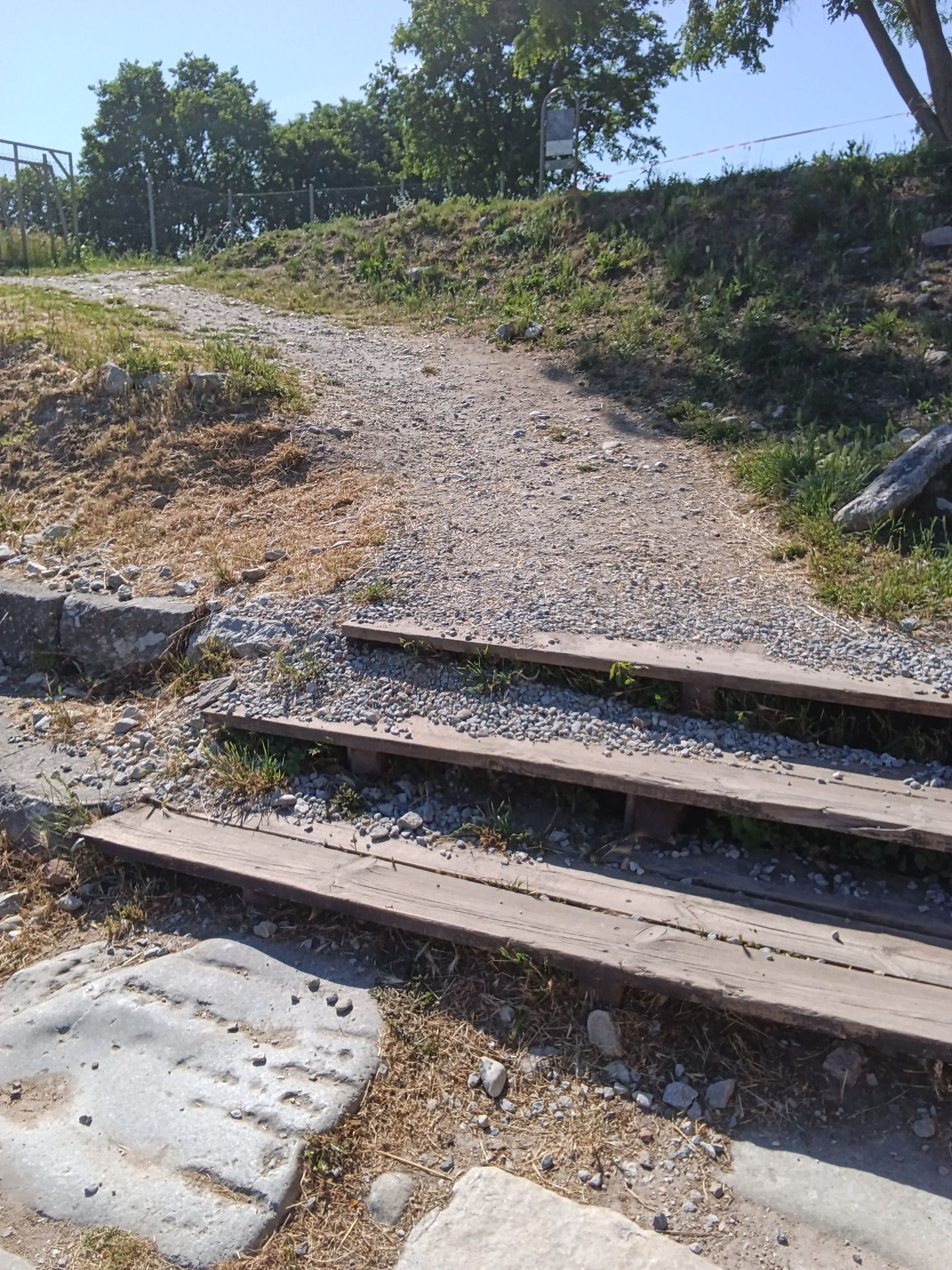
Barriers to be aware of (2)
Obstacle
Steep slope after Basilica A towards the Octagon
- Type / category of obstacle
- Slope greater than 5%, i.e. 2.9° (for a length exceeding 10 m)
Obstacle
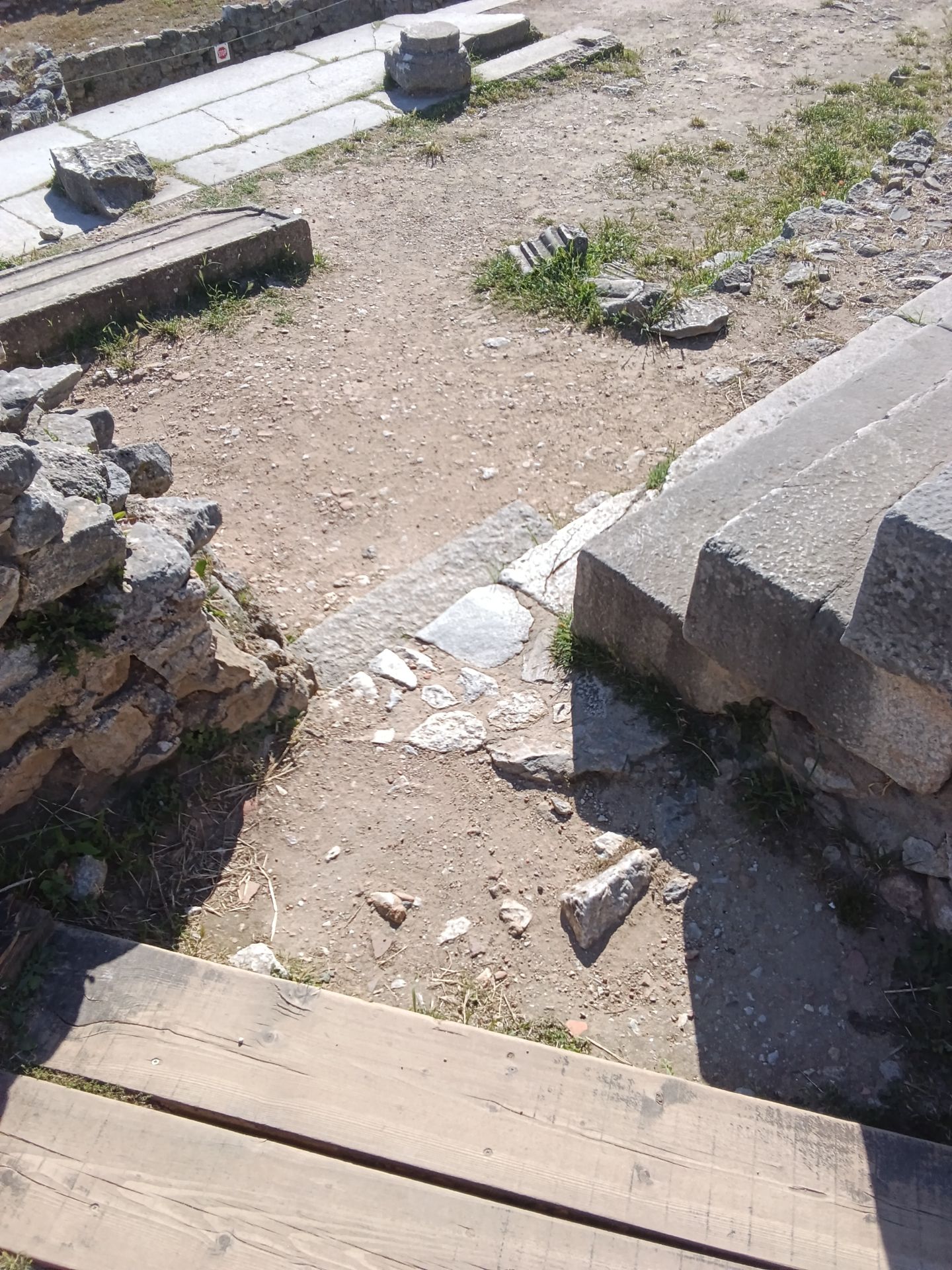
Transverse cuts/gaps dangerous for visitors to trip/hit
- Type / category of obstacle
- Other
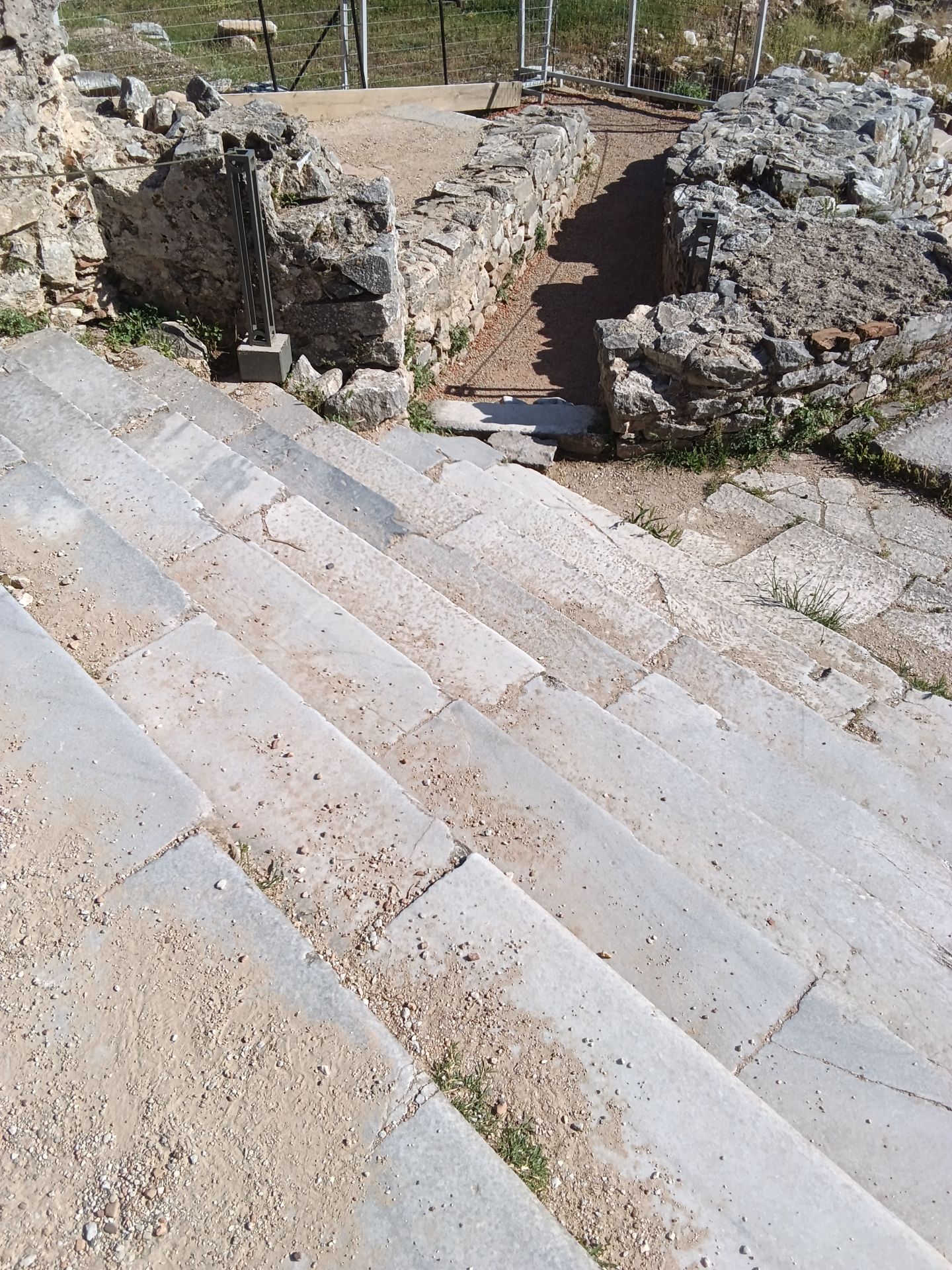
Stairs
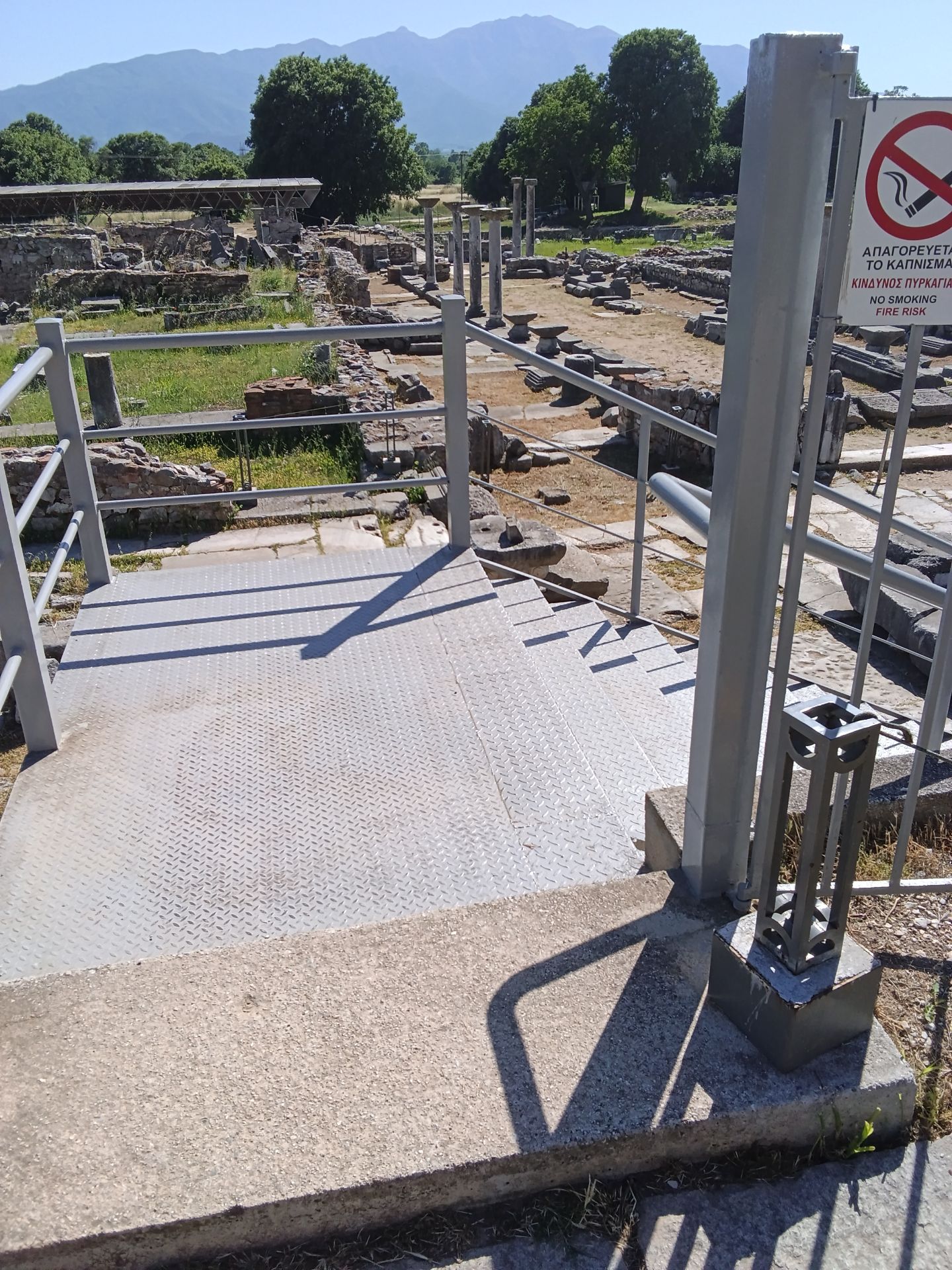
Metal stairs (3+15+3)
- Does it have a riser (front face)?
- No
- Handles / handrails
- Present and standards-compliant
- It is a staircase with a stairlift
- No
- Is it…
- Main
- Is it interior and…
- Fixed
- Is it…
- Outdoor
- The (minimum) opening of the stairs is (in cm)…
- 150
- They are clearly legible
- No
- The (minimum) depth of the steps is (in cm)…
- 29
- The (maximum) height of the steps is (in cm)…
- 17
- The width of the stairs
- Yes
- In the case of stairways that are part of the existing network with tactile guidance paths for the blind, are there tactile warning surfaces at the start, end and changes of direction of the stairs?
- Not part of such a network
- Are the intermediate landings of adequate dimensions
- Yes
- The lighting is adequate
- No
- Are the surfaces
- Yes
- Is it easily identifiable?
- Yes
- At the stair landings, there is informational signage for visitors
- No
- Is it standards-compliant?
- No
- The depth (tread) of the steps is constant from the start to the end of the stairs
- No
- In the case of exposed side/rear surfaces, are these always "covered" so as not to pose a risk to people with visual impairments and white cane users?
- No
- The height of the steps is constant from the start to the end of the stairs
- No
- Is there a standards-compliant alternative for wheelchair access?
- None
- Includes conical and/or curved steps
- No
- Overall, passage / use is not possible/safe for specific categories of people with disabilities
- wheelchair users
Stairs
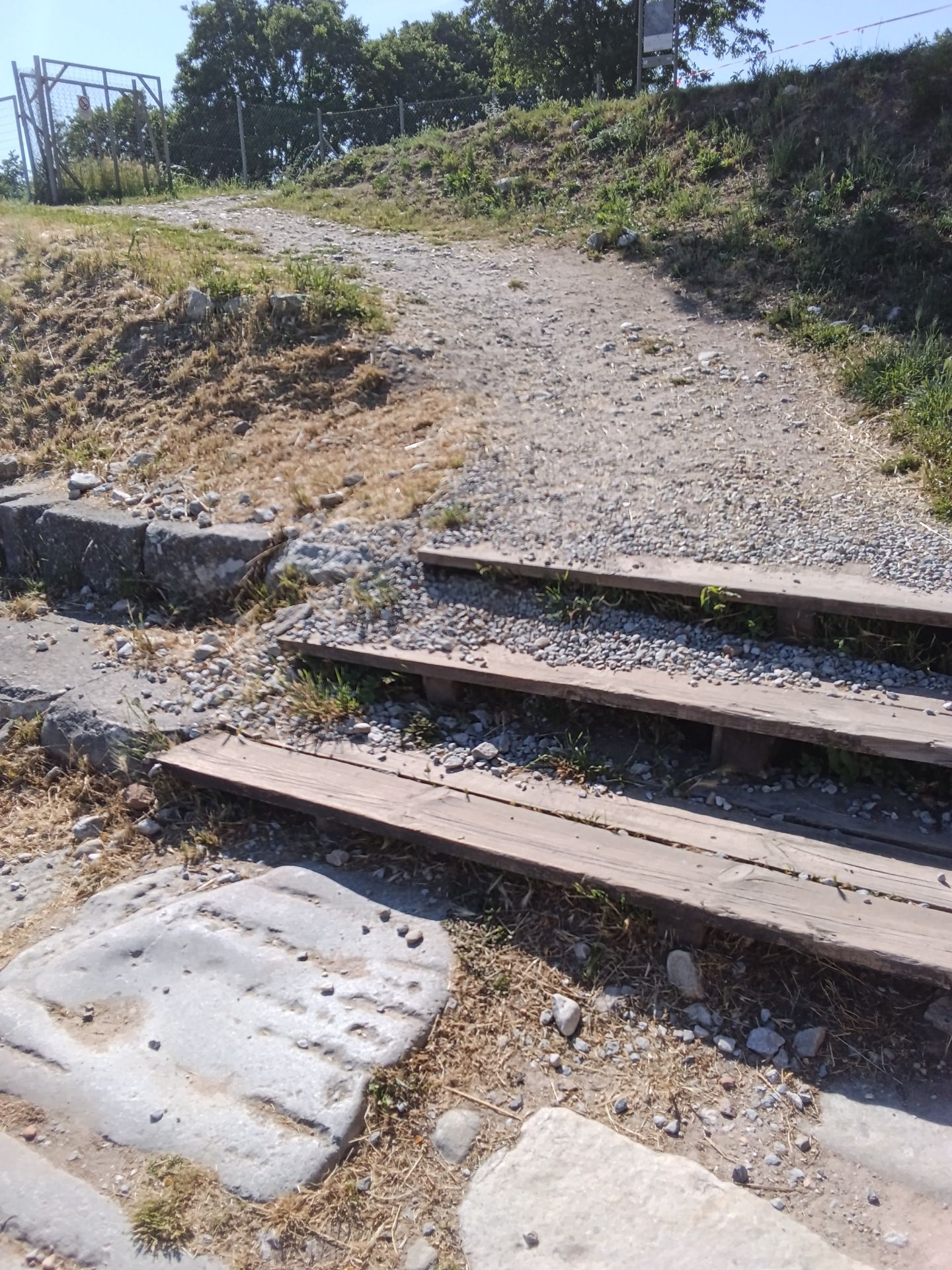
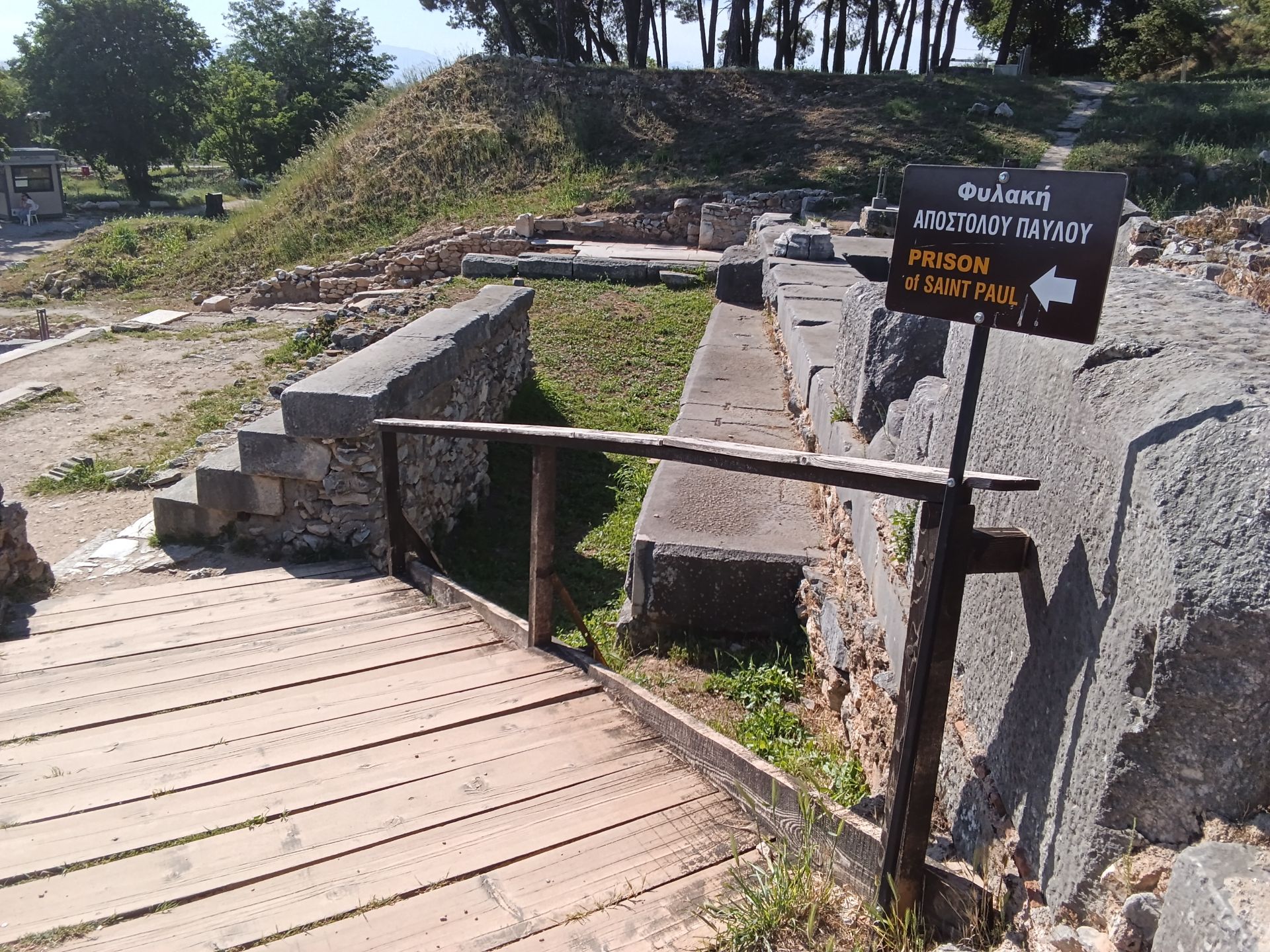
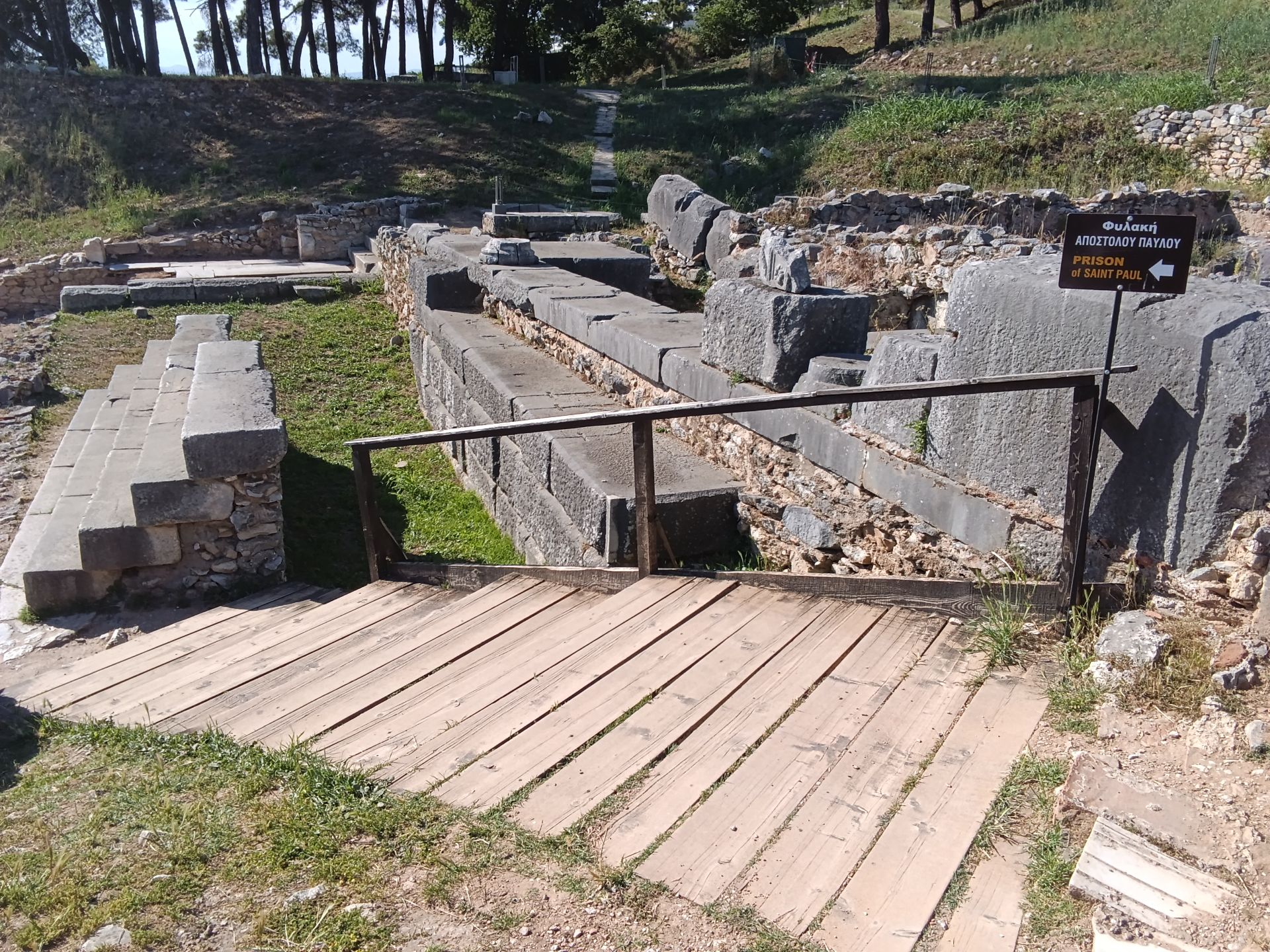
Wooden steps (3) at the end of the Roman forum
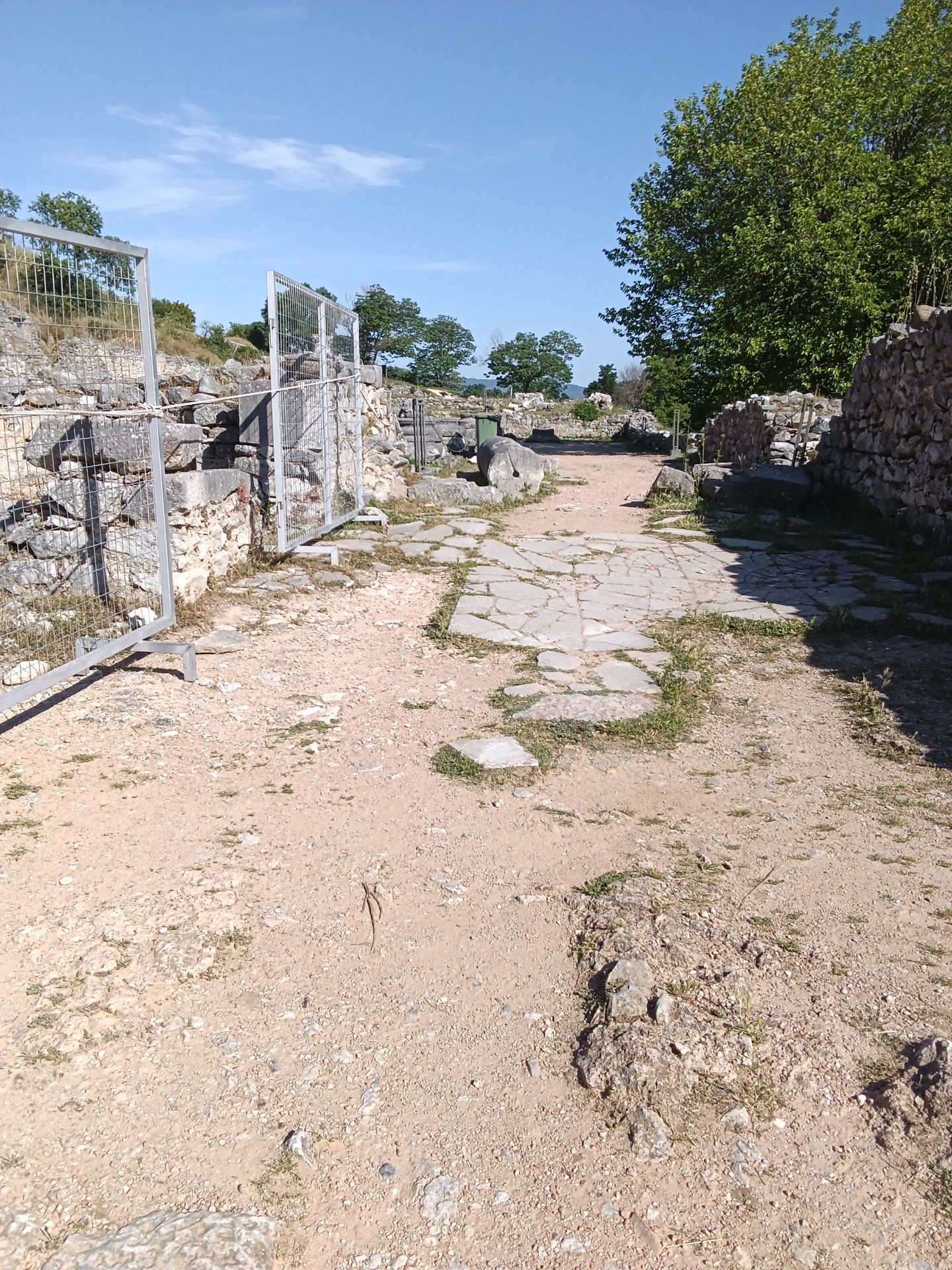
Outdoor route
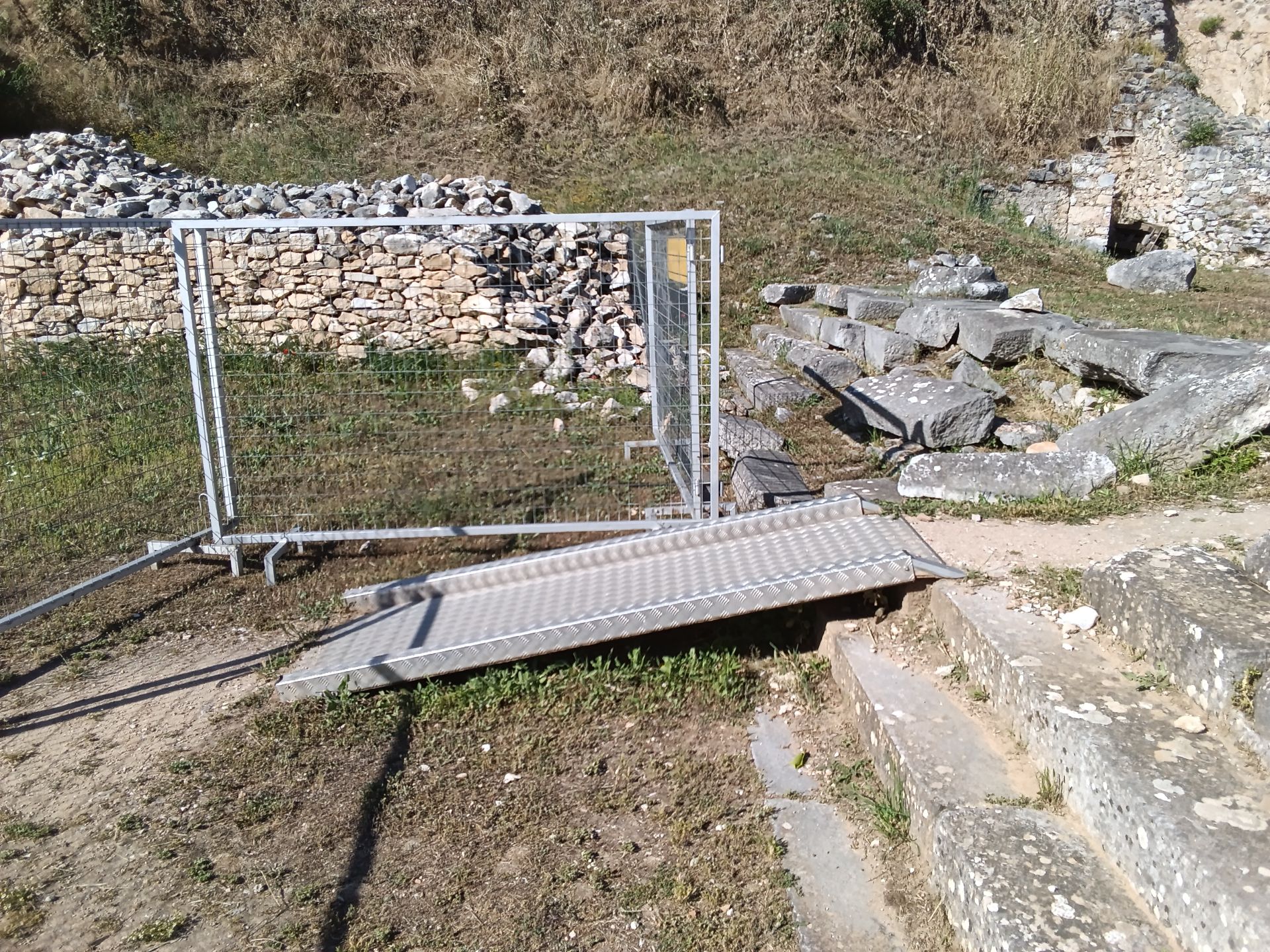
From the steps above the prison of the Apostle Paul to Basilica A. Junction - 70 m -> Metal ramp -> 48 m -> steps before the prison of the Apostle Paul Wheelchair accessible, a companion may be needed
- Interventions to make the route visitable by the public have been made
- Before 1985
- There are obstacles along the route for specific categories of people with disabilities
- Wheelchair users, Blind people, People with vision limitations, People with walking difficulties
Ramp
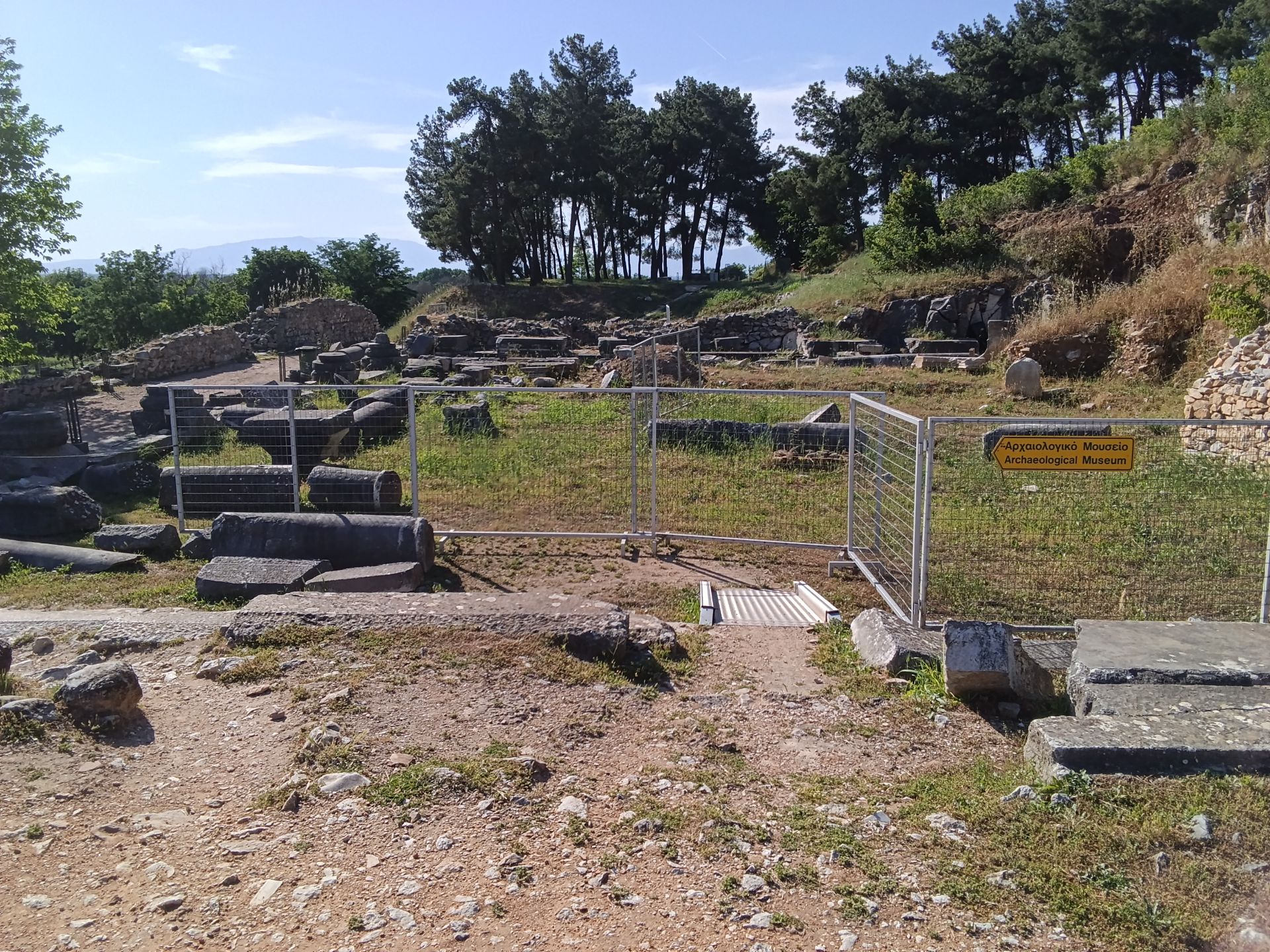
After Basilica A and before the prison of Apostle Paul
- Is it…
- Outdoor
- Is it easily identifiable?
- Yes
- Is there a standards-compliant alternative?
- None
- Is it…
- Permanent
Stairs
Wooden stairs and stone steps before the prison of Apostle Paul
- Is it…
- Main
- Is it interior and…
- Fixed
- Is it…
- Outdoor
- Is it easily identifiable?
- Yes
Services
Guided tours
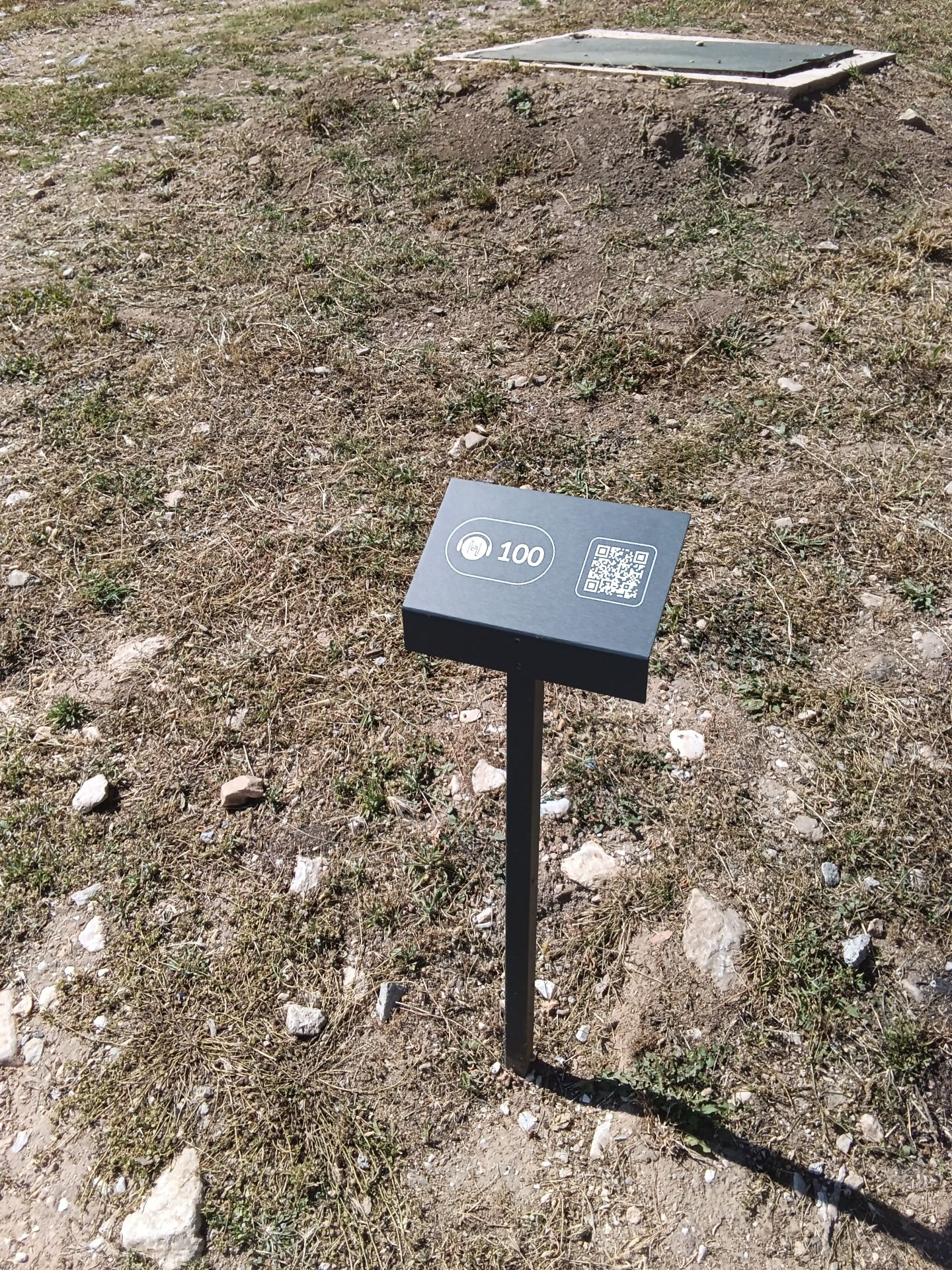
Digital guide (mobile app) 8 languages
- It operates…
- By a private individual
- Overall, use is not possible/safe for specific categories of people with disabilities
- People with visual impairments, People with hearing impairments / sign language users
- Can the public learn about the existence, content, and accessibility of the service before visiting the site?
- No, no such information is provided
- Done through the use of technology devices/systems, such as…
- Digital app for smart devices
- Specifically for people with disabilities, there is provision for…
- Sign language tour, Audio description
Ticket office / Reception
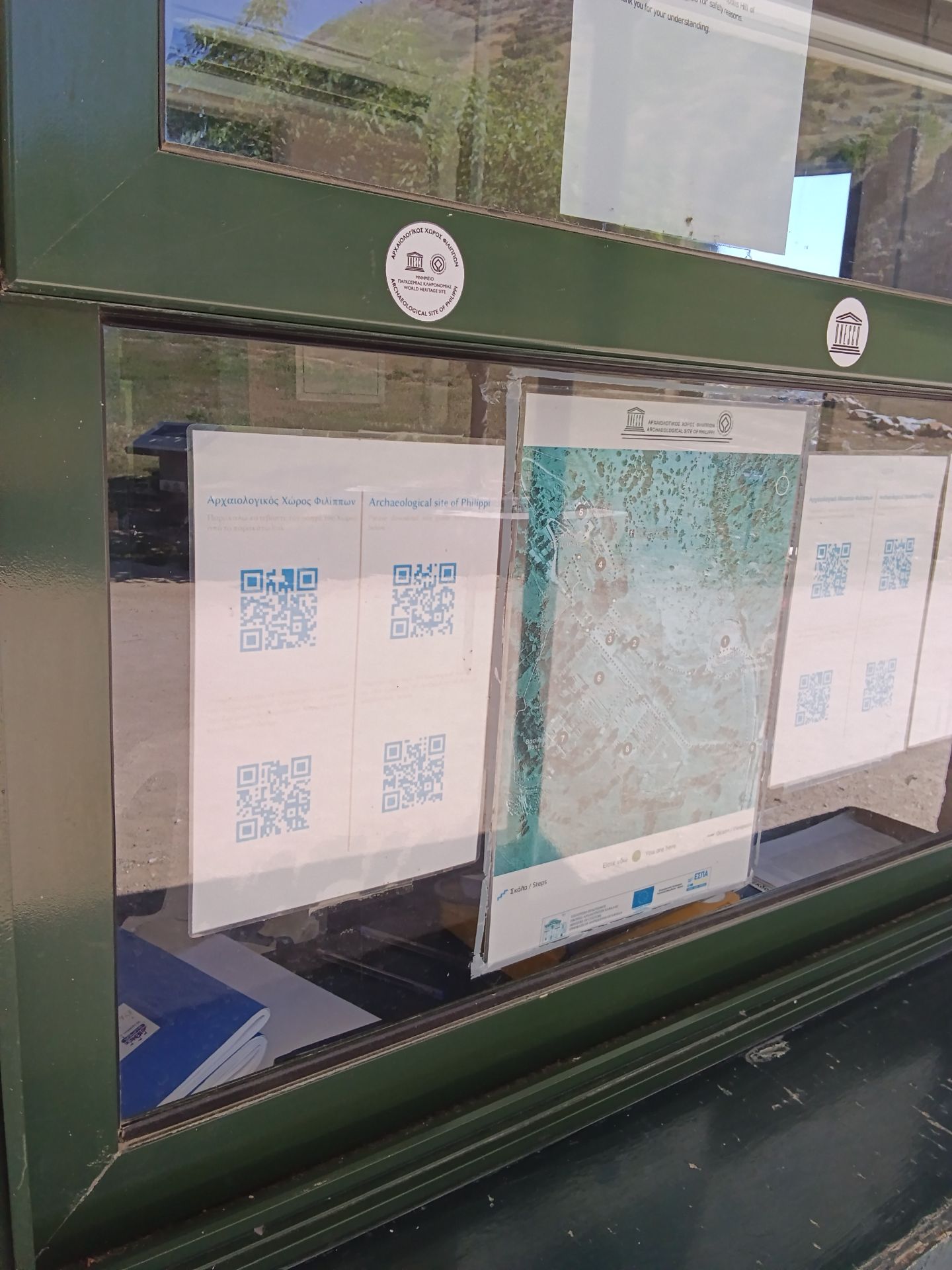
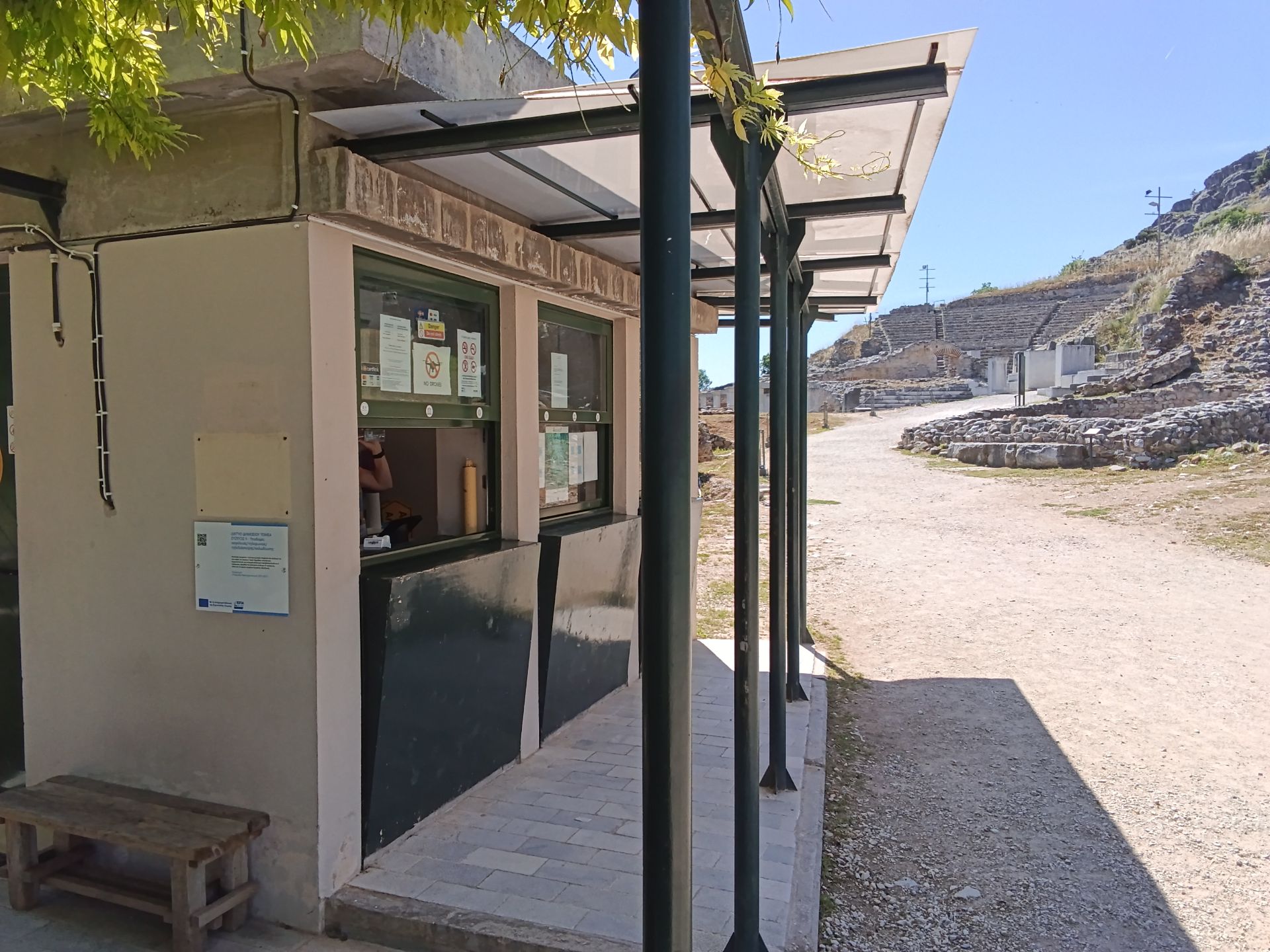
Tickets - Information
Gift shop
Shop
- The lighting is adequate
- Yes
- At all points with high counters/desks/booths
- There are no areas with this type of desks / counters / service windows
- Is it…
- Inside the building
- Can the public be informed about the existence, content and accessibility of the service before visiting the site?
- No, no such information is provided
- Is the space kept clean and well ventilated?
- Yes
- Are the points where services are provided easy to locate?
- Yes
- Is wheelchair access ensured?
- Yes
- Products are on display
- Yes
- Are alternative ways of service provided for people with disabilities?
- None, because they are not needed
- There are products specifically intended for people with disabilities
- No
- At all points with desks/counters/service windows with transparent partitions, is a microphone/speaker system installed?
- There are no points with such desks/counters/windows
- Are there dedicated points/staff for serving people with disabilities?
- No
Café / Catering
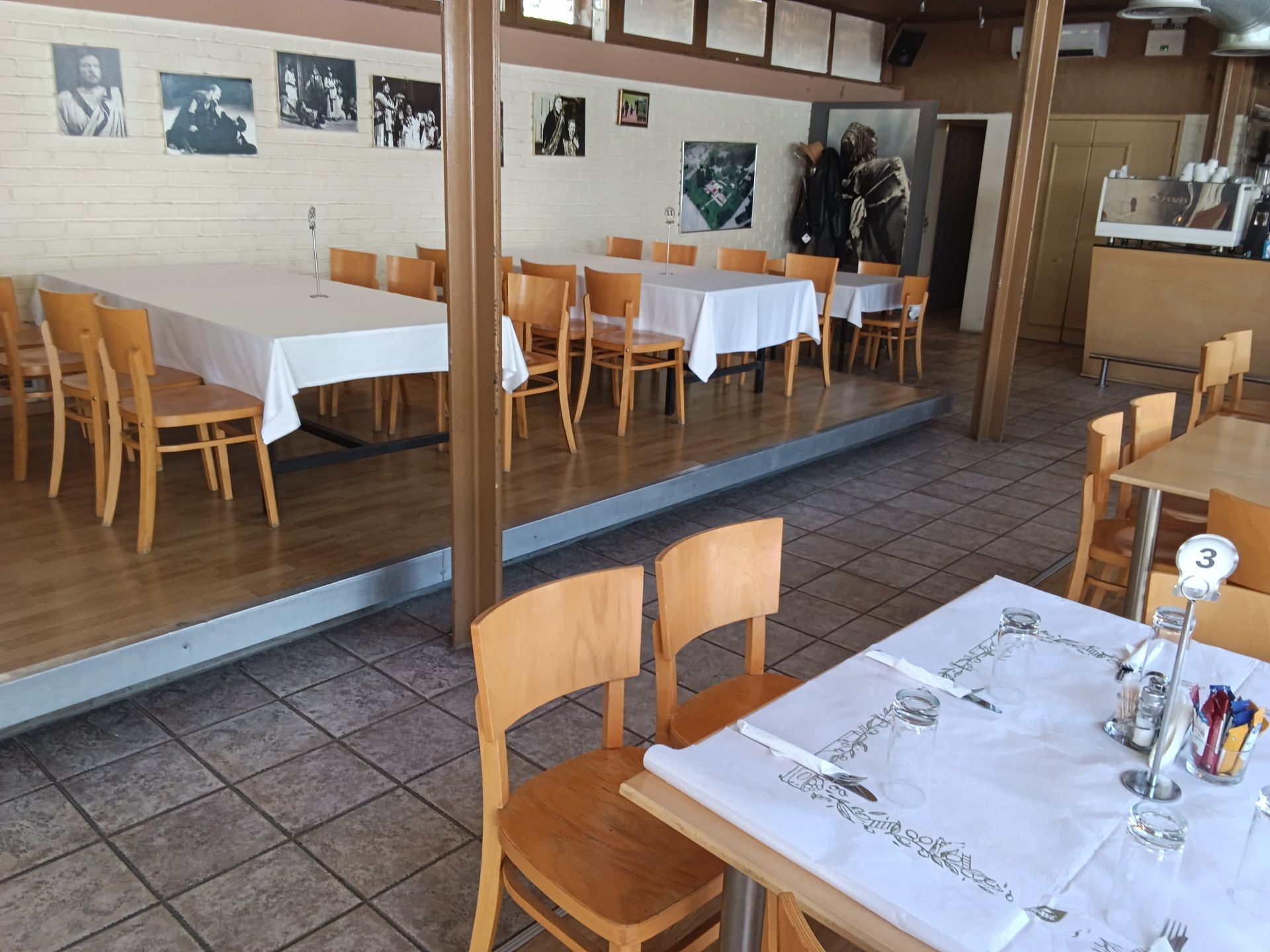
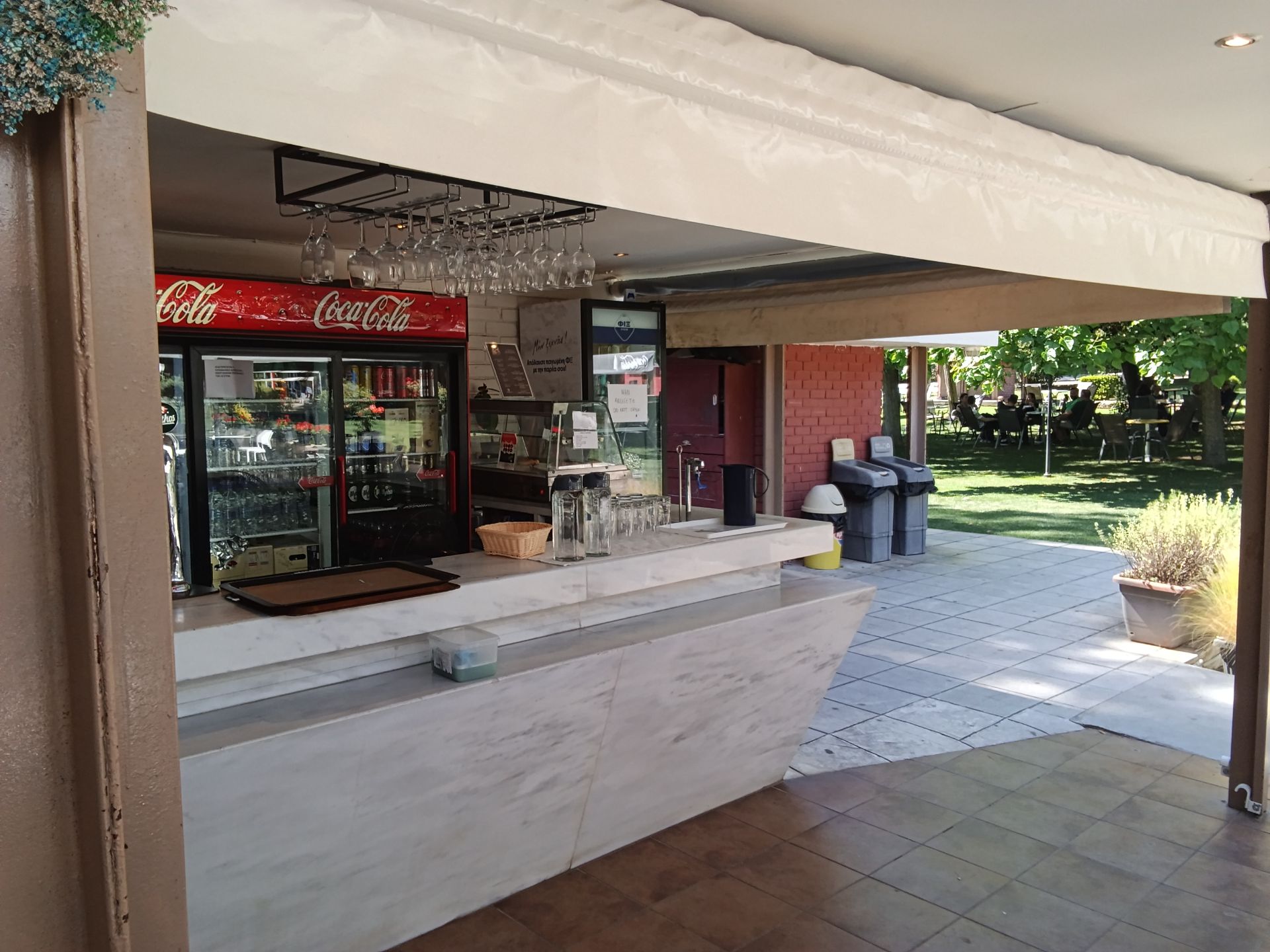
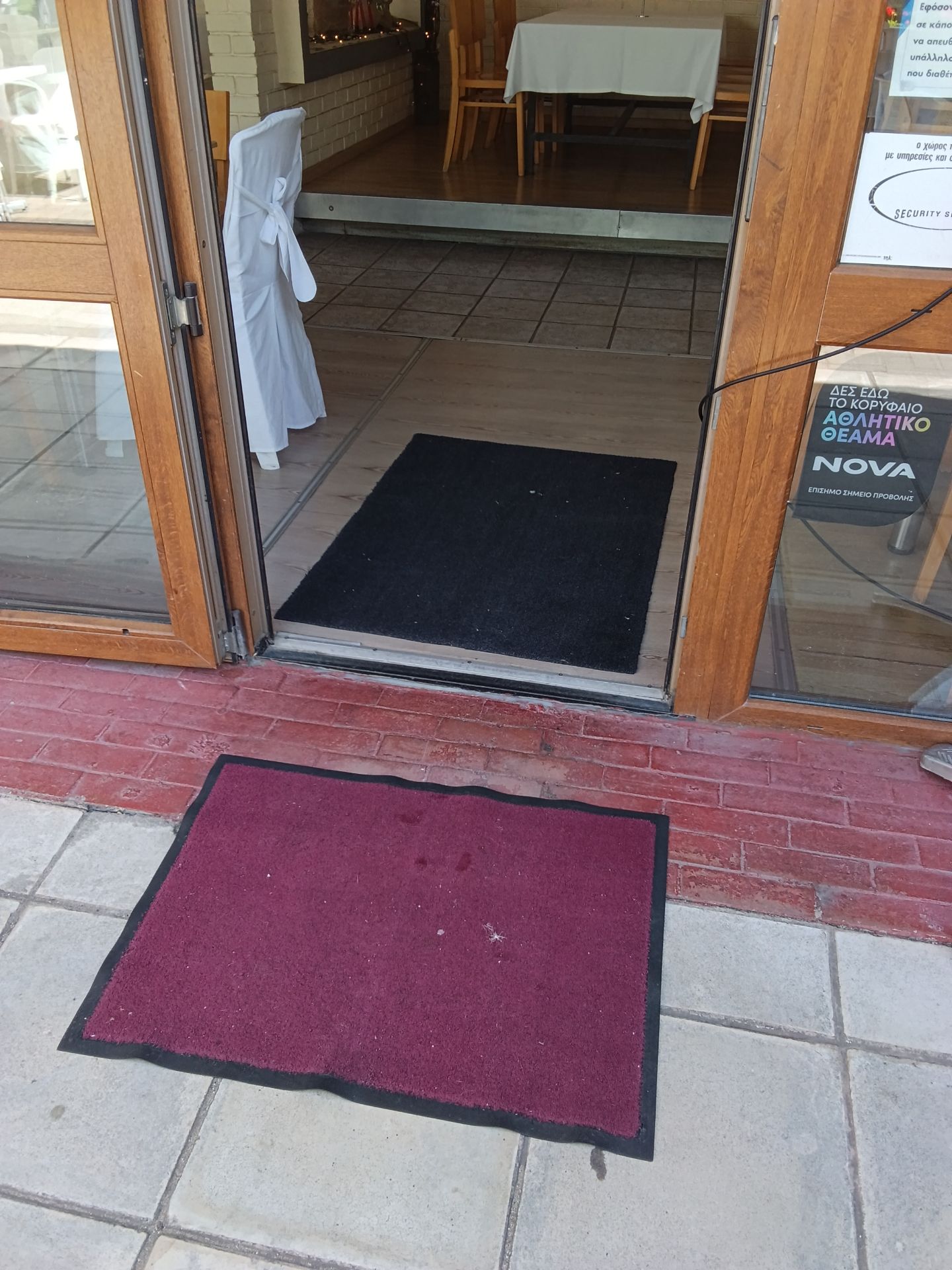
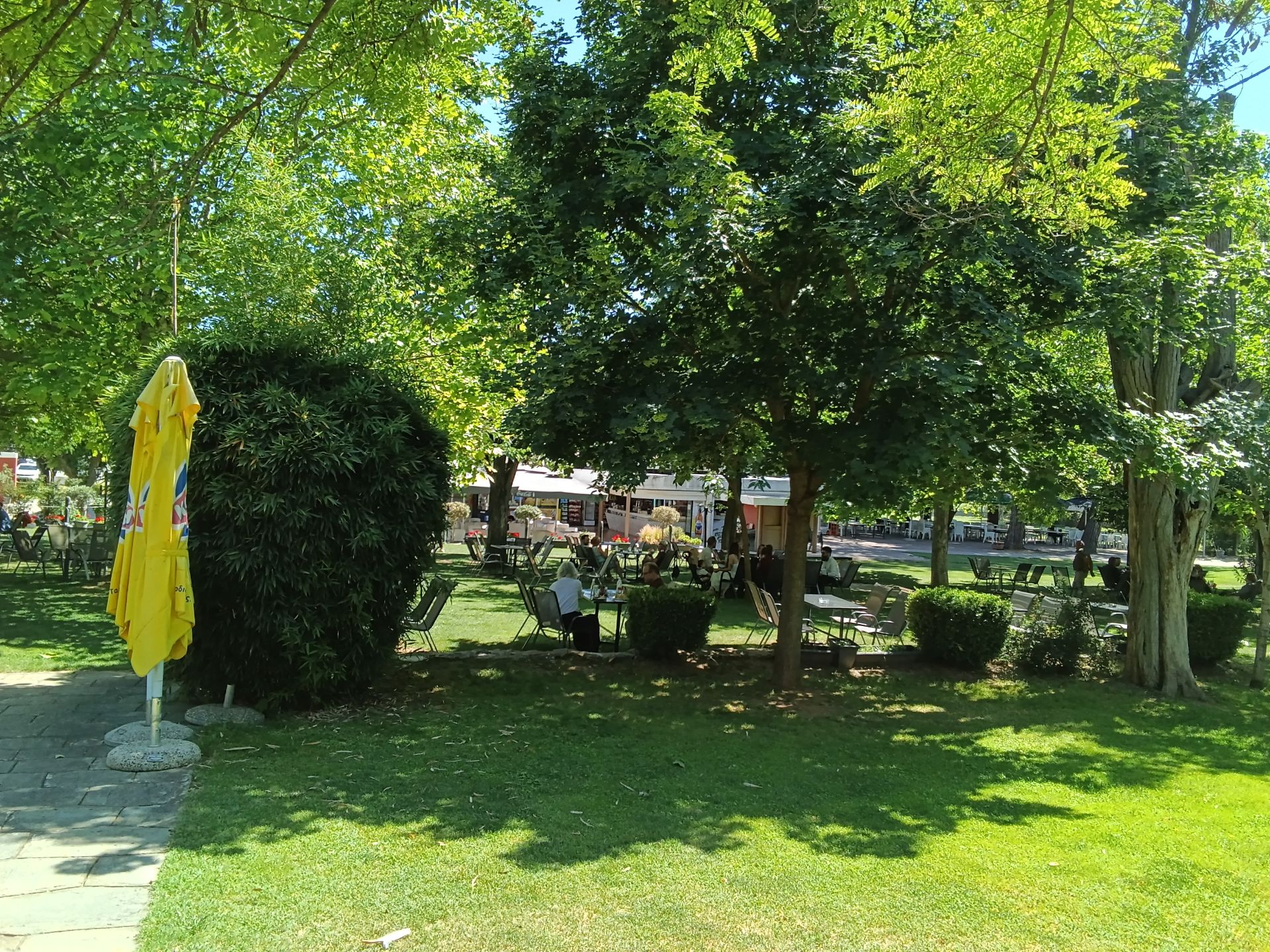
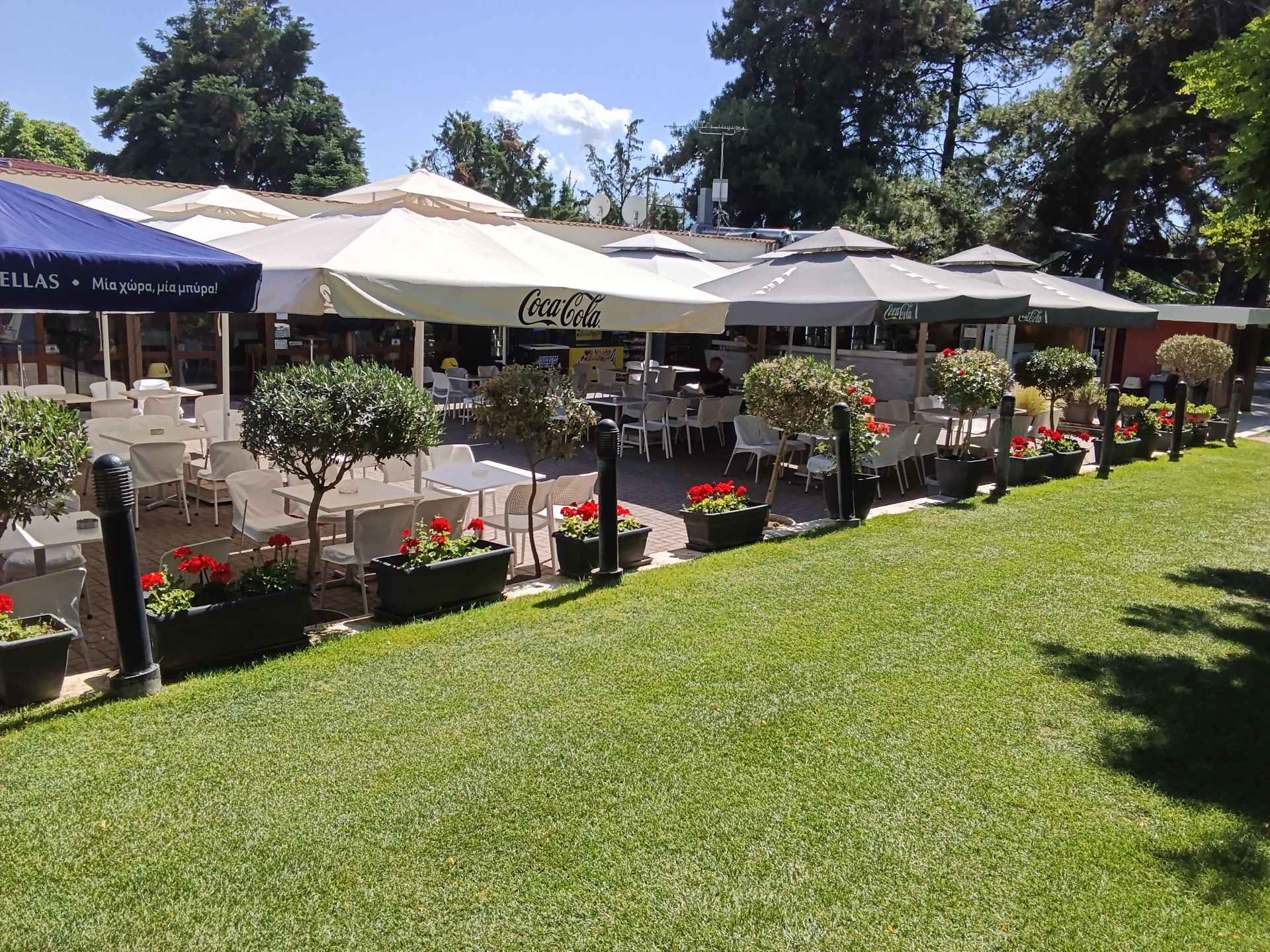
Café
- Is it…
- Refreshment stand, Café, Bar, Fast-food, Restaurant
- Capacity
- 150
- The lighting is adequate
- Yes
- Guide dogs are allowed
- Yes
- Is there a dedicated quiet area?
- No
- The seating for customers is…
- Dining chairs at fixed height (45-50 cm)
- The spaces are…
- Indoor, Outdoor
- The tables for customers are…
- Dining tables (71-76 cm)
- Are there toilets/WCs for customers?
- Yes, but there is no accessible space/toilet
- Can the public learn about the menu/price list and the service accessibility before visiting?
- No, no such information is provided
- The tables and seating for customers are…
- Free-standing in the space
- Is locating ability and unobstructed wheelchair movement ensured from the entrance to all points where customers can be served/seated?
- Yes
- Is the space kept clean and well ventilated?
- Yes
- Is the space easy to locate?
- Yes
- Category
- Self-service (take-away), Table service
- Is wheelchair access ensured?
- Yes
- At all points with counters/windows with transparent partitions, is a microphone / speaker system installed?
- There are no points with such desks/counters/windows
- At all points with high counters/service windows
- No
- Between the tables and chairs…
- Spaces can be set up at suitable points where wheelchair users and their companions can stand (e.g., by moving free seats/tables)
- There are dedicated points/staff to assist people with disabilities
- No
- There are systems, devices or other equipment for the public, without suitable design for specific categories of users with disabilities
- No such systems / equipment